
NAIROBI, March 27, 2026 — Kenya’s media landscape faces renewed regulatory tension after the Communications and Multimedia Appeals Tribunal upheld a decision allowing the Communications Authority of Kenya (CA) to revoke six broadcasting licences held by Standard Group PLC over unpaid regulatory fees totaling KSh48.87 million.
In a ruling delivered Friday, the tribunal dismissed the Standard Group’s appeal, finding the regulator’s actions lawful under the Kenya Information and Communications Act. The decision clears the way for the CA to proceed with revocation of licences linked to outlets including Radio Maisha, Spice FM, KTN News, and KTN Burudani.
Regulator’s position: prolonged non-compliance
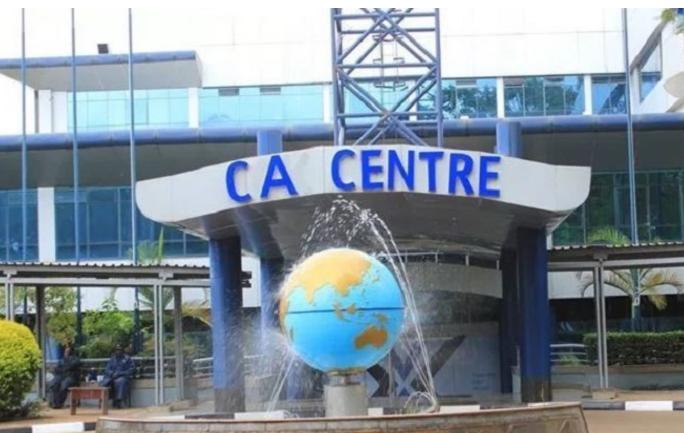
In its official statement, the Communications Authority said the arrears—comprising annual licence fees and Universal Service Fund levies—had accumulated over several years despite repeated enforcement steps. These included a 45-day notice of contravention issued in December 2023, followed by revocation notices in September 2024 after the broadcaster failed to regularise its position.
The Authority also cited multiple engagements with the Standard Group between 2023 and 2024, which it said amounted to concessions and extensions. It argued that regulatory obligations under KICA are “clear and non-negotiable,” emphasizing that broadcasting frequencies are a scarce public resource subject to strict compliance requirements.
The tribunal, according to the CA, agreed with this position, noting that the media house did not dispute the existence of the debt but instead challenged the process, including claims of a payment plan arrangement.
Standard Group’s response: legal, financial, and constitutional challenge
In a sharply worded response, the Standard Group acknowledged the ruling but said the matter is “far from concluded,” confirming it will appeal to the High Court. It invoked provisions of the Kenya Information and Communications Act, arguing that enforcement of the tribunal’s decision should be stayed pending appeal.
The media house disputes the CA’s characterization of it as a “wilful defaulter,” attributing its financial position to outstanding government debts. According to the company, state agencies collectively owe it more than KSh1.2 billion for advertising and media services.
“If the Government paid what it owes us, we would have settled our regulatory obligations long ago,” the company said, framing the dispute as a broader inter-agency financial imbalance rather than deliberate non-compliance.
The Standard Group also rejected the assertion that a binding payment plan existed, stating that discussions were exploratory and constrained by cash flow pressures. It further raised constitutional concerns, arguing that revocation would undermine media freedom and the public’s right to information.
Legal and regulatory fault lines
At the core of the dispute are competing interpretations of regulatory enforcement and constitutional protections.
The tribunal’s ruling reinforces the statutory framework under KICA, which mandates strict adherence to licensing conditions, including timely fee payments. From a regulatory standpoint, the CA’s position aligns with standard spectrum governance principles, where non-compliance can trigger licence withdrawal.
However, the Standard Group’s argument introduces a broader constitutional and economic dimension—questioning whether licence revocation is a proportionate remedy for debt, particularly where the debtor alleges substantial counter-claims against the state.
The company also signaled potential legal escalation, warning that any attempt to operationalize the revocation before the appeals process is exhausted would be challenged in court.
Implications for media and governance
The case has implications beyond the immediate parties. It highlights structural tensions between media sustainability, state advertising practices, and regulatory enforcement in Kenya.
If upheld on further appeal, the revocation could disrupt operations at one of the country’s oldest media houses, with potential knock-on effects for employment and media plurality. Conversely, failure to enforce compliance could weaken regulatory authority in a sector where frequency allocation is tightly controlled.
The dispute also raises questions about the financial relationship between the government and media organizations—particularly the impact of delayed payments on newsroom viability and regulatory compliance.
What next
The Standard Group is expected to file an appeal in the High Court, which could automatically stay enforcement of the tribunal’s decision under the law it cites. The Communications Authority, meanwhile, has indicated its intention to proceed with revocation, setting the stage for a potential legal confrontation over timing and jurisdiction.
For now, the outcome will likely hinge on judicial interpretation of both statutory compliance requirements and constitutional safeguards—an intersection that could shape the regulatory environment for Kenya’s media sector in the years ahead.
About the Author