Life. Seasoned with perspective.
“A reflection on friendship, leadership, and the power of participation in shaping the future. It challenges young people to move from spectators to active players in the democratic process.”
On the first day of college many years ago, we were assembled in the auditorium to listen to school management. The excitement in the room was electric. Fear was there too.
For many of us, it was our first real step into the city. We had left home carrying ambition, uncertainty, and dreams about who we would become. Education felt like a doorway into possibility.
Each student was required to introduce themselves, say where they came from, and share expectations. Then came a moment that has stayed with me for over two decades.
“I am three names Kiruka!”
I later learned I had misheard him completely. He was simply introducing himself as Daniel Irukan, but my first day nerves had translated it differently.
That small confusion turned into a friendship that has stood the test of time.
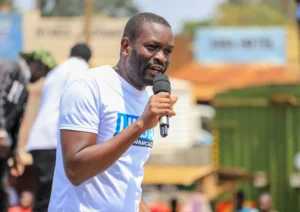
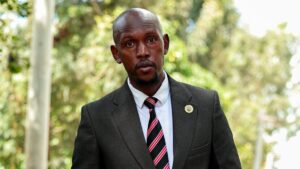
Fast forward many years later. Daniel Irukan is now an aspirant and front runner for the Teso South parliamentary seat in the 2027 general election.
Now, I like politics. But I have often avoided discussing it publicly. My reasons are personal. Politics has fractured relationships within my extended family. I come from a political lineage, and I have seen firsthand how deeply it can divide. Yet, like it or not, politics shapes our daily lives.
Before writing this piece, I went back to scripture. The Bible in 1st Timothy chapter 2 urges believers to pray for those in authority so that society may live in peace. The Quran in Surah-An-Nisa chapter 4 emphasizes that leadership is a trust that must be given to those who are capable and honest. Whether one is religious or not, both texts remind us that leadership matters.
Allow me to connect this to something more immediate.
This past week I met Purity Njeru, Manager for Communication and Public Affairs at the Independent Electoral and Boundaries Commission, for discussions around a digital youth campaign we intend to launch soon. During our conversation, one statistic stopped me cold.
The commission resumed continuous voter registration on 29th September 2025. Five months later, only two hundred and eighty thousand people have registered. Even more worrying, only twenty-eight percent of those are youth.
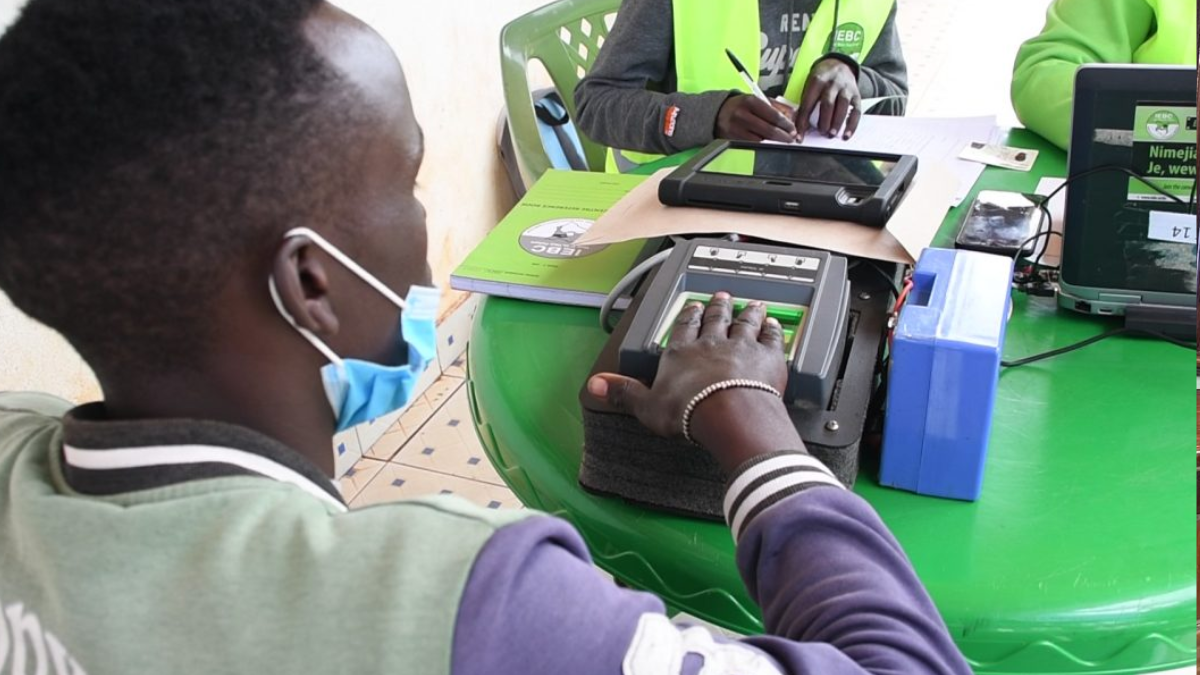
Let that sink in.
On 25th June 2024, thousands of young people stormed Parliament in protest against the Finance Bill. The movement was loud, passionate, and unapologetic. Many believed it marked a turning point in youth political consciousness.
Yet the registration numbers tell a different story.
Protest without participation eventually becomes performance.
If young people do not register, they remain spectators. Passion without structure rarely translates into policy.
Recently, a group of young politicians, largely drawn from ODM, have begun charting what they call a new political direction. I am not aligned to any party, but it has been refreshing to see younger voices stepping forward. It signals the possibility of a third force, one that speaks the language of its generation.
Which brings me back to my friend Daniel.
I have known him for over twenty years. We have attended each other’s family gatherings. We have shared seasons of struggle and seasons of celebration. I have seen him succeed and I have seen him fail. I say this carefully. My support is not blind loyalty. It is informed observation.
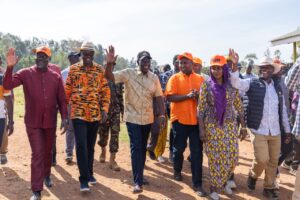
This Sunday I attended his first full strategy meeting. And here is what struck me. You can think you know someone, but the true measure of leadership is how a community responds to them. The room was not just filled. It was invested.
The day offered several lessons.
First, youth voter registration must become urgent. The commission is planning an extended registration exercise soon, targeting an additional 6.8 million voters. The majority of that number must come from young people if representation is to reflect reality.
Second, belief in the electoral process must be restored. Many young people argue that their vote does not count. That elections are manipulated. That outcomes are predetermined. Whether those fears are justified or not, disengagement only strengthens the very systems they distrust.
Third, young people must offer themselves for leadership. Not only on social media. Not only on protest streets. But on ballots.
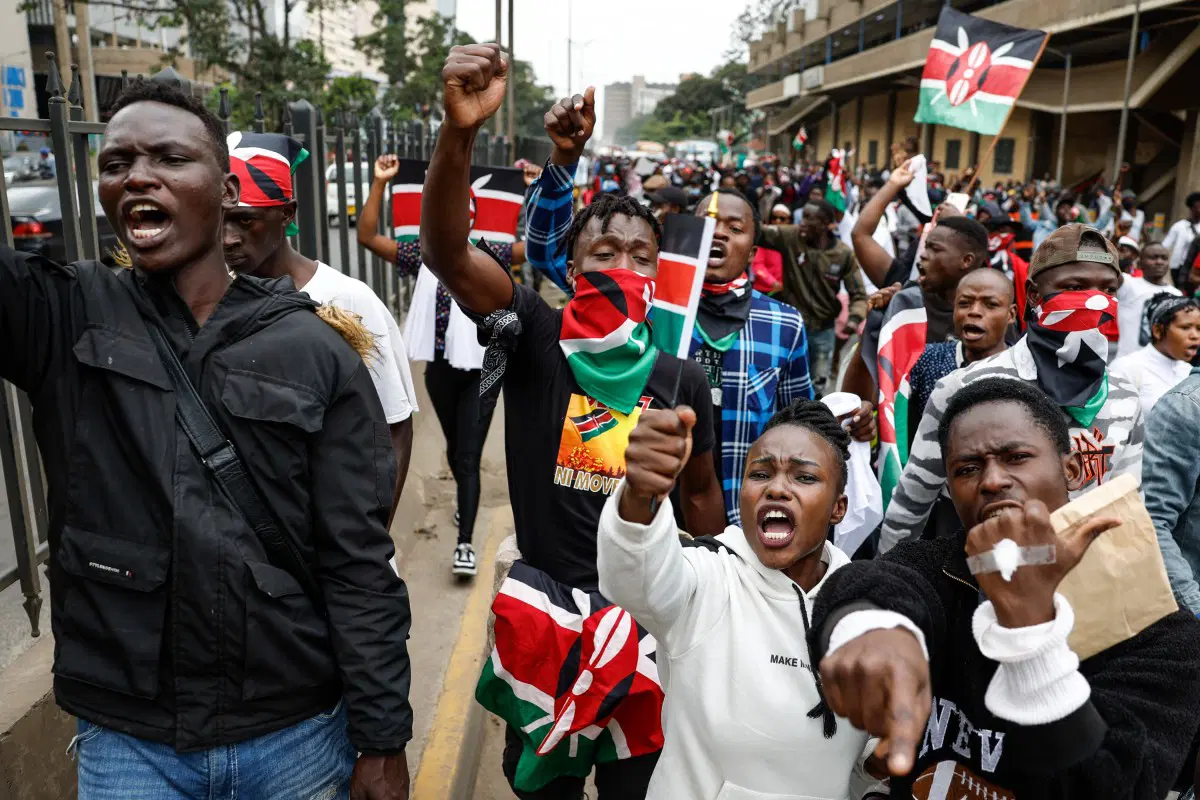
Representation does not change because we complain about it. It changes because we participate in it.
Politics is not perfect. It is messy. It is loud. It is sometimes disappointing. But disengagement does not purify it. It simply hands it over to those who show up.
I think back to that auditorium moment. “I am three names Kiruka.” Bold. Unafraid. Ready to be seen.
Perhaps that is what this season demands of young people. To stand up and declare themselves present. To register. To vote. To contest. To shape the future instead of commenting on it from the sidelines.
Because the truth is simple.
If you do not occupy space in the process, someone else will. And they may not carry your interests in mind.
From the auditorium to the ballot, the journey is not automatic. It requires intention.
And maybe the next introduction that matters will not be in a college hall.
It will be at a polling station.
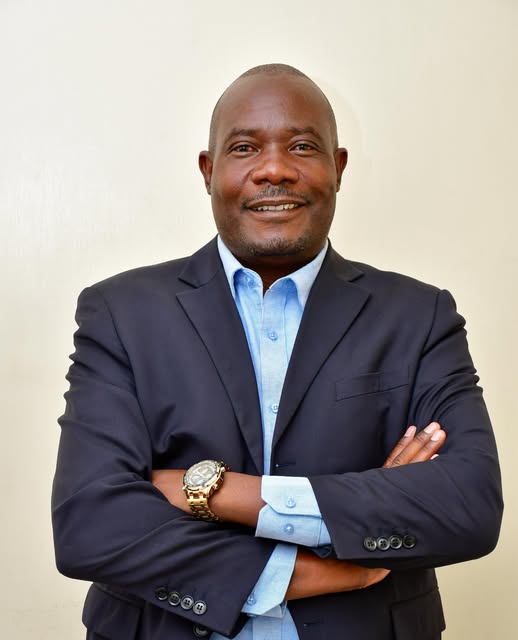
About the author:
Kibisu Mulanda is a media executive and strategic communicator with over 20 years of experience in television, NGO storytelling, and youth-focused content. He is the Acting Head of Switch Media Ltd and teaches media at the Kenya Institute of Mass Communication (KIMC). A Certified SIYB Trainer, he blends storytelling with strategy to drive social impact.
About the Author