Kenya’s opposition figure Kalonzo Musyoka has accused the government of using force to silence dissent, after police dispersed his supporters with teargas in central Nairobi.
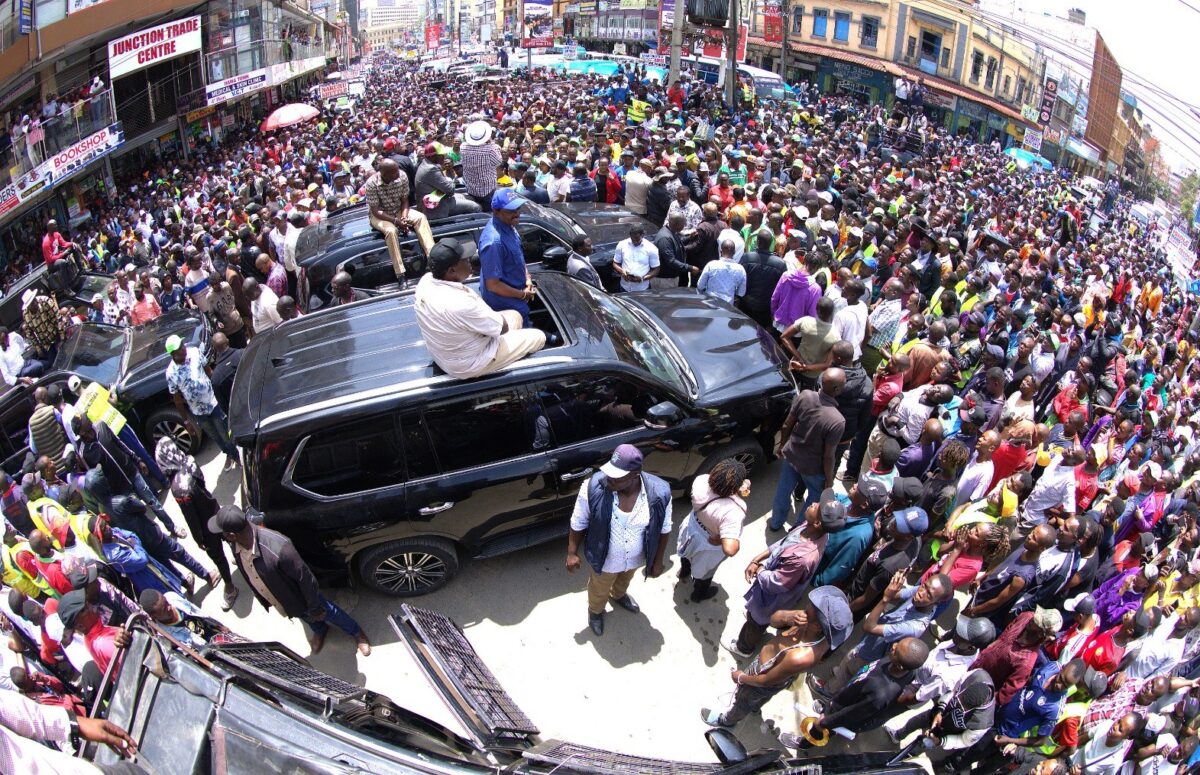
In a sharply worded statement, the leader of the Wiper Party said he and fellow leaders had visited the office of the Kenya Police Service Inspector General to demand accountability. He said the group later attempted to walk peacefully toward Tea Room Nairobi, where they planned to address supporters.
Instead, he said, police fired teargas into the crowd.
“There was no provocation. There was no violence,” Mr Musyoka said. “There were only citizens and their leaders exercising their constitutional right to assemble and to speak.”
Witnesses described scenes of confusion as people scattered through the busy streets. Some struggled to breathe as the smoke spread through the crowd. The incident underscored the fragile relationship between opposition leaders and state security agencies, at a time of growing political tension.
Mr Musyoka accused the administration of choosing intimidation over dialogue. “This is not governance. This is intimidation,” he said. “A nation cannot be teargassed into submission.”
His remarks reflect a broader unease among opposition figures, who say public space for protest is shrinking. Mr Musyoka framed the confrontation as part of a larger struggle over democratic rights. “We will not retreat. We will not be silenced,” he said. “The demand for accountability will only grow louder.”
Police officials did not immediately issue a detailed public response to his claims. In previous instances, authorities have defended the use of force as necessary to maintain order and public safety, especially in crowded urban areas.
The episode comes amid rising political activity as leaders reposition ahead of future elections. Supporters of Mr Musyoka say the right to peaceful assembly must be protected. Government allies, however, have often urged restraint, arguing that public demonstrations must follow the law.
For many Kenyans watching events unfold, the images of teargas drifting across Nairobi’s streets carried a familiar message: the country’s democratic space remains contested, and the balance between order and freedom is still being tested.
About the Author