When elections end, expectations begin and they begin fast. Life does not come with a pause button. School fees are still due, the price of food still bites, and health bills still come knocking. So, the day after the winner takes charge, citizens begin asking the quiet question of what will change in their lives.
Across Africa, that question is hanging in the air after recent election cycles and political transitions in Tanzania, Malawi, and Ghana. Uganda and others are heading there soon. The timing is awkward, in the way real life often is. Public finances are tightening just as global partnerships are shifting. And young people are watching closely, not because they love politics, but because politics keeps promising to fix what still feels broken.
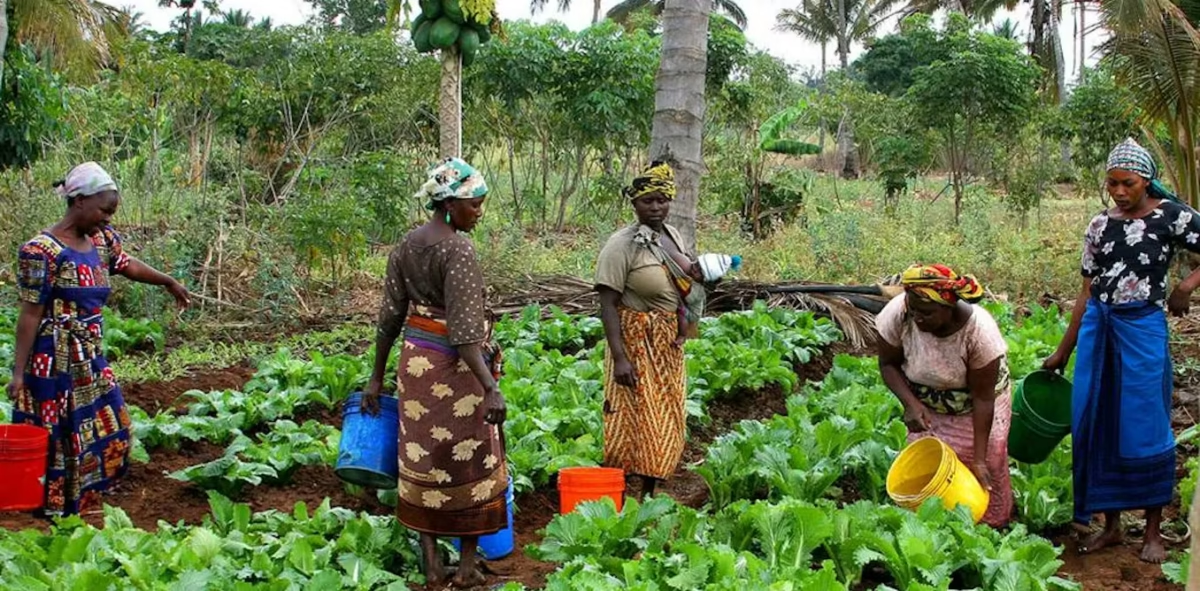
At the same time, agriculture has become the star of the global stage. Climate summits, food systems dialogues, and continental declarations keep repeating that agriculture is central to food security, climate resilience, jobs, and even stability. Still, many farmers feel those words never quite reach their farms.
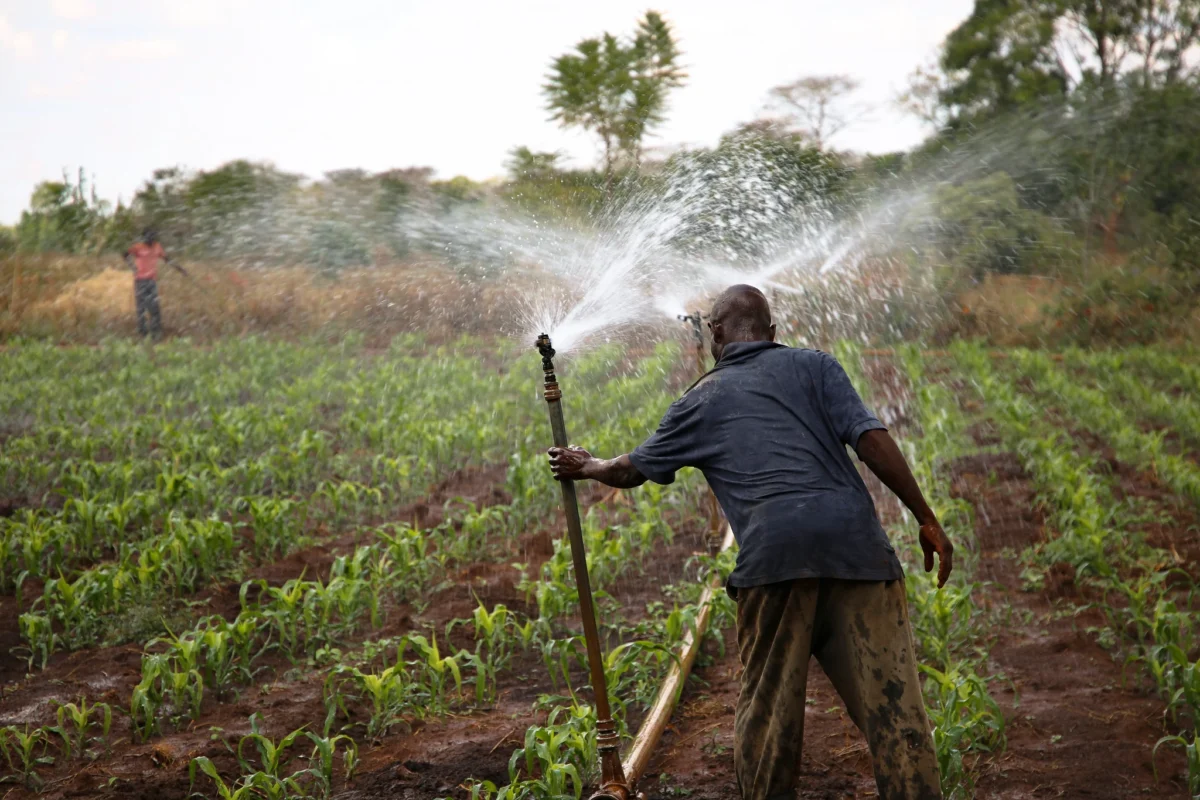
To see the gap clearly, do not start with a policy paper but with Atim, who farms one acre with her husband and two teenage children in the countryside. For her, agriculture is not a sector. It is breakfast and school fees. It decides whether the family can buy medicine without borrowing. It is dignity, plain and simple.
Atim has heard the speeches and knows the world now agrees that agriculture matters. But she is not farming communiqués. She is farming soil that has grown stubborn as acidity crept in over the years, and seasons that have become moody, with rain that arrives late, falls too hard, or does not come at all. She is farming in an era of supposedly wider markets under the African Continental Free Trade Area, yet those markets often feel like a gamble when you lack storage, transport, information, and bargaining power.
As things stand, Atim’s question is not whether agriculture matters, but what actually changes for her. That question is where agricultural transformation either happens or stalls. The problem is rarely that farmers are not trying. It is that the system around them is fragmented, and decisions that shape agriculture are scattered across ministries and agencies that do not always pull in the same direction, leaving farmers to absorb the cost of that confusion.
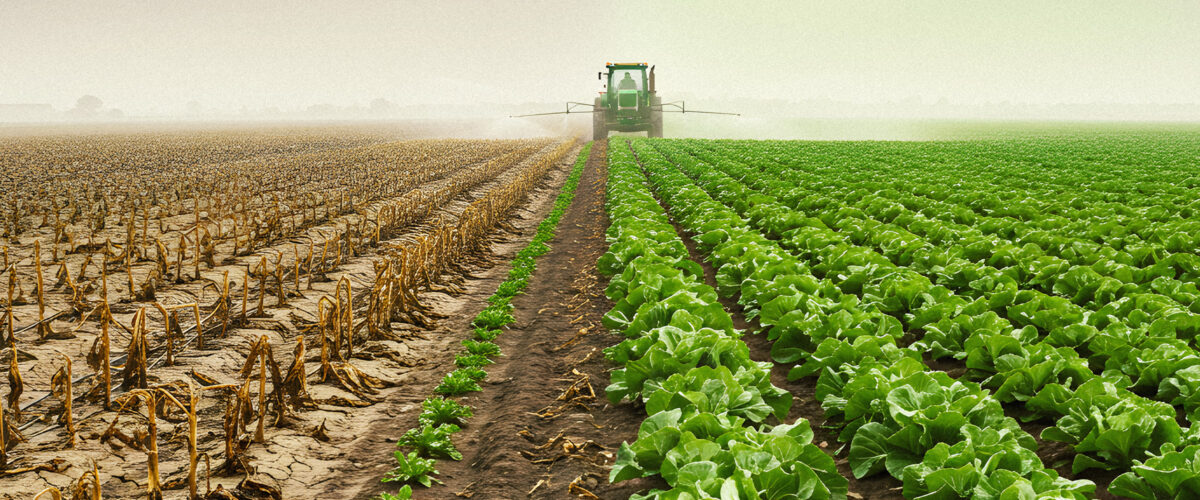
If agriculture is truly the foundation of food, jobs, climate resilience, and political stability, then it cannot be treated like just another ministry. It has to be governed as an integrated national function, where strategy informs structure and good plans move off paper and onto farms.
For governments emerging from an election season, this is the moment to make a few bold bets that voters can actually feel. The real question must now be who makes decisions that shape agriculture at home.
In many countries, agriculture sits in a ministry expected to deliver results shaped elsewhere. Treasury sets ceilings, trade rules shift, climate commitments are written in distant conference rooms, and infrastructure choices are made without the farmer in mind. Roads and storage projects stall, land policy drags, and procurement rewards the connected more than the effective. Then everyone wonders why productivity barely moves.
Atim feels this fragmentation in the small humiliations of everyday farming. Inputs arrive late or do not match her soil. Subsidies land like political gifts rather than smart investments. A climate pledge is announced, but when the rains fail there is no risk cover, no safety net, no real protection. Markets are said to be open, but she still sells to whoever shows up first because she cannot afford to wait.
This points to the first reform: integration, with agriculture placed at the centre of government so finance, planning, climate, trade, and infrastructure pull toward better livelihoods for farming households.
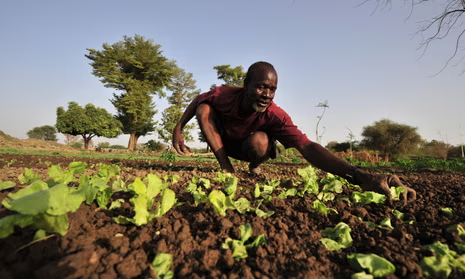
The second bet is to make productivity the bridge between big ambition and real life. At climate summits, agriculture is framed as a solution to emissions and a pillar of resilience. At global meetings, it is pitched as a pathway to jobs and stability. Yet for Atim, productivity is where those words either become real or remain abstract.
Productivity is not just about throwing more inputs at farmers. It is about effort showing up as income. Farmers know when something is off, when soils no longer hold moisture, and when fertiliser stops behaving the way it used to. They live the reality of rising yields and falling profits, when post-harvest losses, transport costs, and weak bargaining power swallow the gains in what has become a perennial systems failure.
Soil health is the base of climate resilience and it can be restored with consistency and good science. In many contexts, farmers can see real change within three seasons when soil restoration is taken seriously and supported properly. Productivity improves when governments back bundled solutions farmers trust, including soil regeneration, climate smart inputs, reliable advisory support, and routes to markets that do not collapse at harvest time. When productivity improves sustainably, confidence returns, households invest, and farming becomes a business again, not a permanent emergency.
The third bet, and arguably the most consequential for household incomes, is to build markets that actually work for small scale farmers. If markets are meant to turn agriculture into opportunity, governments have to shape them with intention. That means investing in storage so farmers are not forced to sell at the worst time. It means fair competition, traceability, and transparency so value chains reward quality and reliability rather than connections and shortcuts.
Ultimately, Africa needs fewer gaps between promise and practice. After elections, leaders should be judged less by what they say at summits and more by what changes on farms, in household incomes, and in futures. Agricultural reform is, at its core, a trust exercise between governments and citizens, between effort and reward. That, more than anything, is the real post election mandate.
Konde is a social ecologist who comments on Pan African affairs.
About the Author