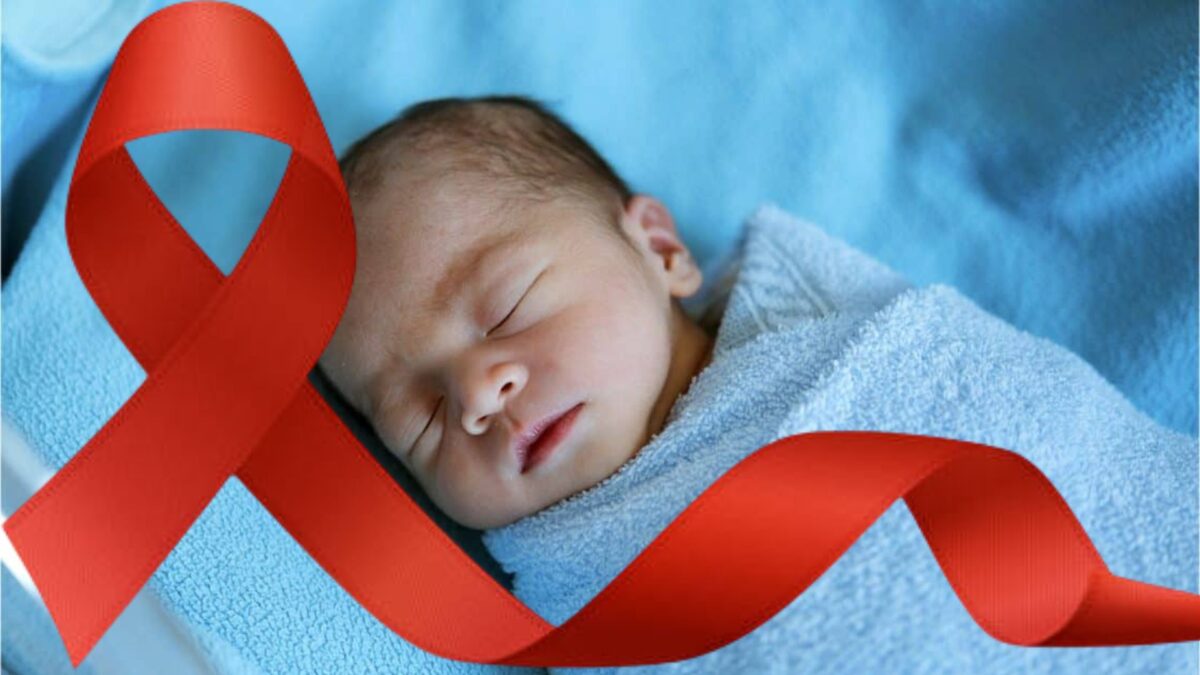
Rising mother-to-child HIV transmission rates undermine Kenya’s progress as other countries achieve elimination milestones.
Kenya has missed out on World Health Organization (WHO) recognition after failing to reduce HIV infections among newborns to global elimination levels, raising concern over gaps in maternal and child healthcare.
Last week, the WHO validated Brazil for eliminating mother-to-child transmission of HIV, highlighting a growing contrast with Kenya, where nearly one in ten babies born to HIV-positive mothers still contracts the virus.
Data from the National Syndemic Diseases Control Council (NSDCC) shows that Kenya recorded 20,105 new HIV infections in 2024. Children under the age of 15 accounted for 4,349 of these cases, pointing to continued weaknesses in preventing transmission during pregnancy, birth and breastfeeding.
Despite wide access to prevention services, Kenya’s mother-to-child transmission rate stands at 9.26 per cent. WHO requires countries to reduce this figure to below five per cent, and ideally under two per cent, to qualify for elimination status.
Kenya’s Prevention of Mother-to-Child Transmission (PMTCT) coverage reached 90.1 per cent in 2024. However, health experts say many mothers and infants still fall out of care before completing treatment, limiting the impact of these services.
The challenge is more severe in arid and semi-arid counties such as Wajir, Mandera, Isiolo and Samburu. In some of these regions, more than 20 per cent of babies born to HIV-positive mothers are infected, largely due to low antenatal attendance, stigma and limited access to health facilities.
Kenya aims to eliminate mother-to-child HIV transmission by 2030, but current trends show the country remains off track. To achieve elimination status, countries must show sustained low transmission rates, strong antenatal care systems, reliable data and rights-based health services.
In Africa, only Botswana has been validated by the WHO for eliminating mother-to-child HIV transmission. The country reduced transmission rates to about 1.2 per cent, becoming the first high HIV-burden nation globally to reach the milestone.
Kenya’s efforts are further threatened by declining donor support. A recent UNAIDS report warns that funding cuts are weakening HIV prevention and treatment programmes in several countries, including Kenya.
The country relies heavily on external funding, with about 63.5 per cent of its HIV response financed by partners such as the Global Fund and Pepfar. Only around 34 per cent is funded locally.
Health officials warn that without stable funding and targeted interventions for high-risk regions, Kenya risks reversing gains made over the past two decades in protecting mothers and children from HIV.
About the Author