Kenya is preparing to roll out a National Infrastructure Fund (NIF) as part of a new plan to finance major development projects without relying heavily on public borrowing.
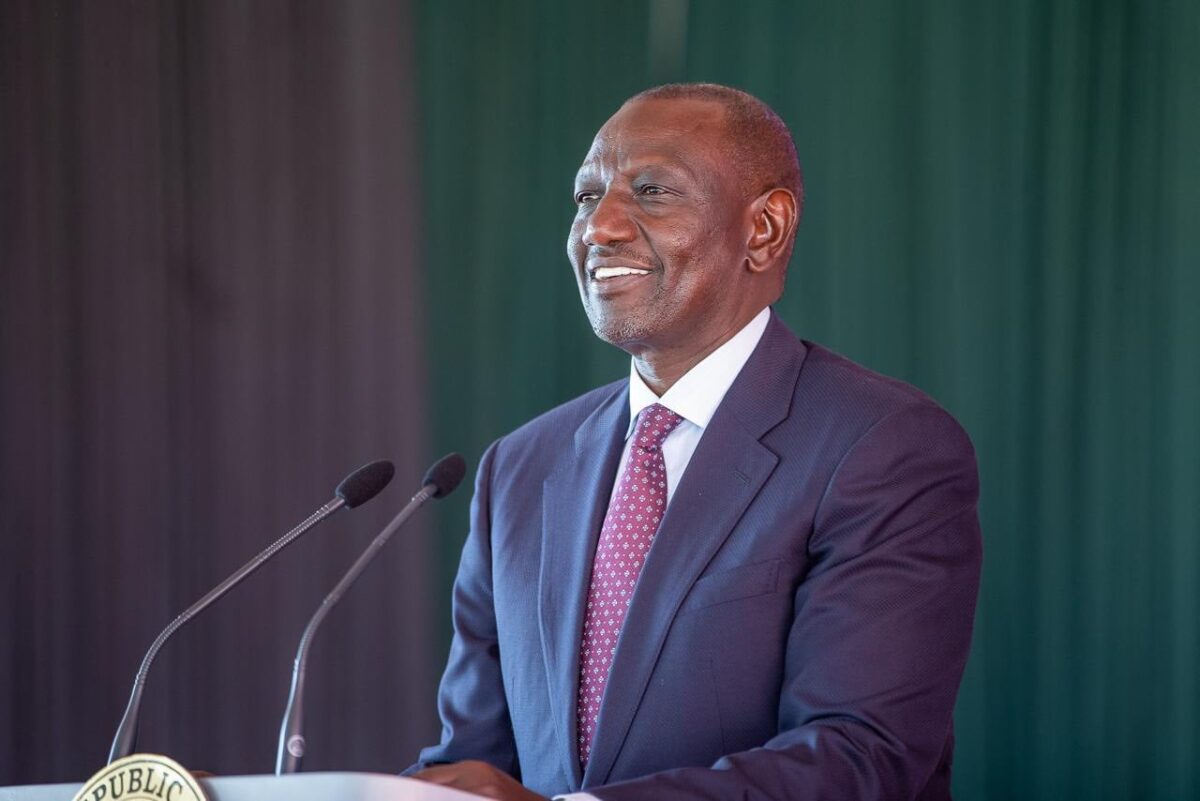
President William Ruto is expected to chair a Cabinet meeting to approve the proposed Sh5 trillion fund, which will support projects in roads, energy, irrigation, transport and other key sectors.
The government says the fund is meant to help Kenya grow into a developed economy while reducing pressure on the country’s rising public debt.
What is an infrastructure fund?
An infrastructure fund is a pool of money set aside to finance large, long-term projects such as highways, power plants, water systems, railways and digital networks.
Unlike normal government spending, these funds are designed to attract private investors, including pension funds and insurance firms, alongside public money. The goal is to spread risk, lower borrowing costs and ensure projects are professionally managed.
How the fund is expected to work
Kenya’s National Infrastructure Fund is expected to follow a hybrid model. This means the government will provide starting capital, while private and institutional investors add more money over time.
Part of the funding is expected to come from the sale of selected state assets. The government says this will unlock value from public enterprises and redirect it into new infrastructure instead of increasing debt.
Projects supported by the fund are expected to earn returns through user fees such as tolls, electricity tariffs or service charges. In some cases, government support may be used where projects are important but not fully profitable.
Why the government is backing the fund
The government argues that the fund will help deliver projects faster and reduce reliance on loans. By bringing in private capital, Kenya can free up public money for services like health and education.
Infrastructure funds also attract technical expertise, which can improve project planning and reduce delays that often affect government-led projects.
For Kenya, the fund could also tap into local savings held by pension funds, offering long-term and stable investment opportunities.
What Kenya could gain
If well run, the fund could lower the cost of doing business, improve transport and energy supply, boost food security and create jobs.
It could also support climate-friendly projects, such as renewable energy and water conservation, which are increasingly attractive to international investors.
Risks to watch
Experts warn that strong governance is critical. Without clear rules and transparency, infrastructure funds can be misused or burden taxpayers with hidden costs.
Clear oversight, professional management and open reporting will be key to winning public trust and investor confidence.
A tool, not a solution on its own
The National Infrastructure Fund marks a major shift in how Kenya plans to finance development. While it could unlock billions in long-term funding, its success will depend on how it is designed and managed.
As global experience shows, infrastructure funds can drive growth — but only if accountability and public interest remain at the centre.
About the Author