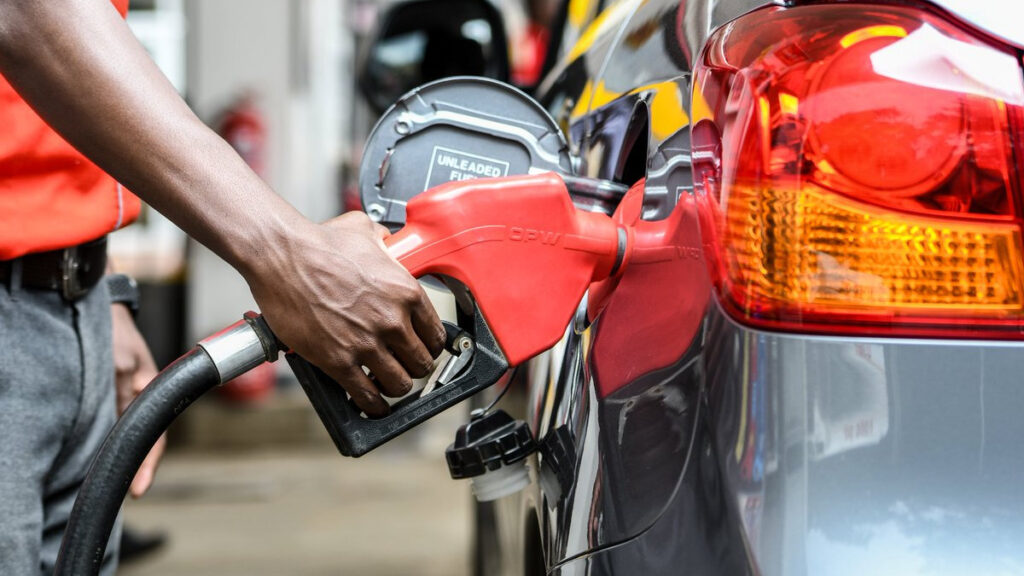
Kenyans could soon face even higher living costs as the government plans to introduce new taxes on fuel and electricity to fund major energy projects.
The new plan, known as the Consolidated Energy Fund (CEF), aims to raise $18.7 billion (about Sh2.4 trillion) over the next five years to improve the country’s energy infrastructure. The fund will help finance dams, geothermal power plants, and solar projects, with the goal of adding 5,000 megawatts to Kenya’s power grid by 2030.
This means the government will collect at least Sh478 billion every year from taxpayers to support the fund — money that could come through extra charges on electricity and fuel.
Energy Cabinet Secretary Opiyo Wandayi said the fund will get money from “appropriations from Parliament and contributions from energy sector players,” which are expected to include new consumer levies.
The proposal comes at a time when Kenyans already pay some of the highest taxes on fuel in the region. According to recent data, super petrol in Kenya is taxed at Sh82.33 per litre, compared to Tanzania’s Sh50.64, Uganda’s Sh52.30, and Rwanda’s Sh30.69. Diesel taxes stand at Sh69.67 per litre, while kerosene carries a Sh55.14 tax — far higher than in neighboring countries.
Kenyans currently contribute to several energy-related levies, including the Roads Maintenance Levy (Sh25 per litre on petrol and diesel), the Petroleum Development Levy, and the Rural Electrification Levy, which adds five percent to electricity bills.
Critics warn that the new taxes could raise production costs, push up prices of basic goods, and make life harder for households already struggling with inflation.
Despite the pushback, the government insists that expanding the energy network is necessary to meet rising demand and support future industrial growth.
About the Author