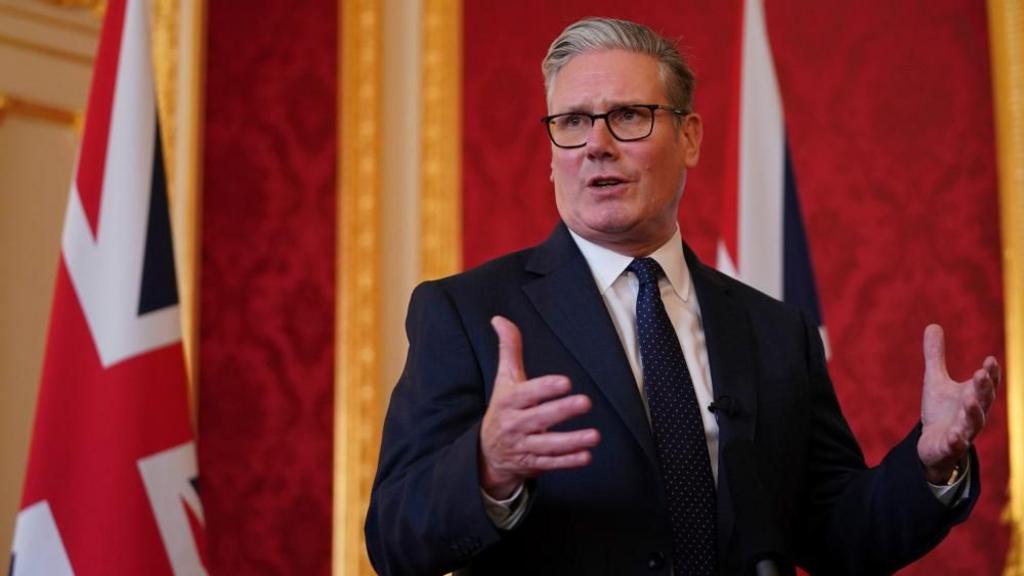
In a dramatic turn of events, Britain, Canada and Australia have formally recognised Palestine as a sovereign state, breaking from past reluctance and shifting traditional Western foreign policy. The decision, unveiled on 21 September 2025, comes amid growing international concern over the war in Gaza and the stalled peace process.
A changing diplomatic landscape
British Prime Minister Keir Starmer said his government acted “in the face of the growing horror in the Middle East” to preserve the possibility of a two-state solution. He declared: “Today, to revive the hope of peace for the Palestinians and Israelis … the United Kingdom formally recognises the State of Palestine.” He added that this move is not “a reward for Hamas” but a rejection of what he called its “hateful vision.”
Australia’s Prime Minister Anthony Albanese described the recognition as recognition of “the legitimate and long-held aspirations of the people of Palestine to a state of their own.” He made clear that Australia expects a reformed Palestinian Authority—one free of Hamas’s control—to lead such a state.
Canada, too, under Prime Minister Mark Carney, joined the recognition in a coordinated move designed, leaders say, to pressure all parties to return to negotiations.
Why now?
The decision reflects frustration, among Western nations and others, with the humanitarian crisis in Gaza, persistent violence, and what many see as stalled peace efforts.
Starmer had previously set conditions: Israel should improve humanitarian access to Gaza, cease expansion of settlements in the West Bank, and show willingness to negotiate toward a Palestinian state. When these were unmet, he signalled the UK would formally recognise Palestine.
Reactions: praise, concern, and opposition
Praise came swiftly from Palestinian leadership. President Mahmoud Abbas hailed the move as historic, saying it restores dignity and could help end a long era of marginalisation. Supporters in the UK, Canada, and Australia see the recognition as a necessary step in trying to salvage the two-state path.
Opposition and concern also rose. Israel condemned the decision, calling it a provocation and arguing that recognising Palestine before resolving security concerns or the hostage situation rewards terrorism. In Australia, Jewish community leaders warned that recognition without ensuring peace, democracy, and legitimate governance could undermine real progress. U.S. officials similarly expressed disapproval, making clear they don’t believe unilateral recognition helps bring Hamas to negotiation.
What this means — and what it might not change
The recognition is symbolic but potent. It adds diplomatic pressure on all sides—Israel, Palestinian factions, and their international partners—to engage more seriously in peace talks. It may strengthen Palestine’s position in international forums, allowing more leverage in negotiations.
But sceptics warn that without meaningful action—an enforceable ceasefire, humanitarian access, reforms in Palestinian governance, and security agreements—recognition alone might not lead to improved ground realities.
Looking ahead
France is reported to be preparing its own recognition at the upcoming UN General Assembly. More nations may follow, depending on how events unfold in the coming days.
Meanwhile, questions linger: How will Israel respond operationally? Will Hamas accept being excluded from governance, as the recognising nations demand? Can the Palestinian Authority meet the reform conditions set out by its own and foreign governments? And can this diplomatic shift lead to real safety, aid, and political stability for civilians caught in the conflict?
About the Author