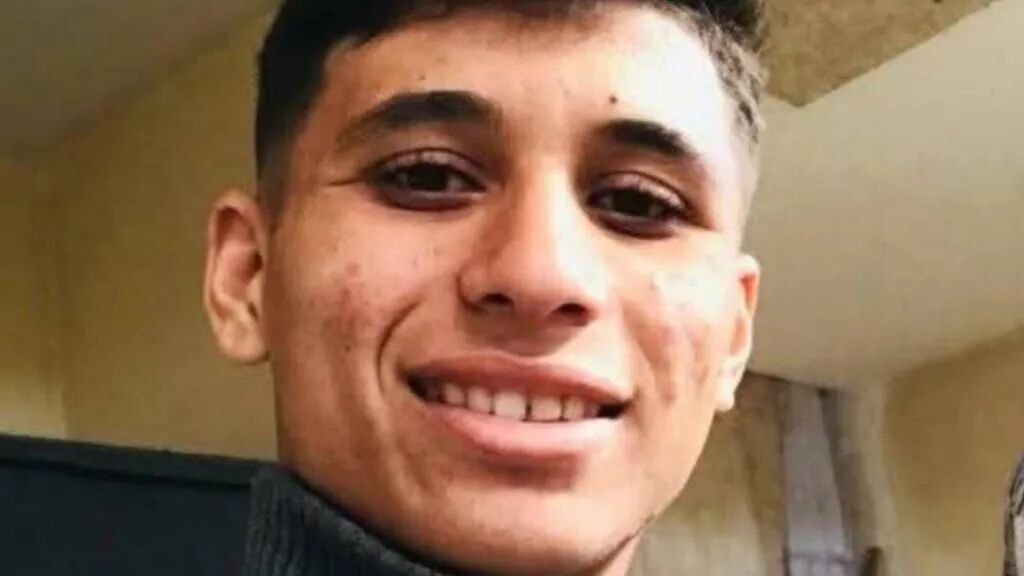
The humanitarian crisis in Gaza is worsening by the day. Families now grieve not only the destruction of their homes but also the loss of loved ones killed by airstrikes or starved by food shortages. On Sunday, 19-year-old Abdullah Omar Jendeia left his mother’s damaged home in al-Sabra, central Gaza, to search for flour. Hours later, his family was told he had been shot and killed near an aid distribution point in the Netzarim Corridor, a military-controlled area splitting northern and southern Gaza.
“He was impatient to go that day,” his sister Nadreen recalled. “I told him, ‘Just eat the few lentils we have left.’ He said no, he would go get something for the family.”
Abdullah set out with his two brothers and in-laws, walking more than five kilometers north to wait near a truck that comes once a week. By 11 p.m., a call came. Mahmoud, one of the brothers, said Israeli forces had opened fire. Abdullah was dead. Mahmoud and another sibling were injured. The Israel Defense Forces (IDF) confirmed it was conducting operations in the area and said it took “feasible precautions to mitigate civilian harm.” The IDF asked for specific coordinates to investigate the incident further.
On the same day, Gaza’s civil defense agency reported that 93 people were killed across the Strip, mainly near aid distribution points. The IDF, addressing one such incident, claimed troops had fired warning shots to disperse a crowd they deemed a threat, but disputed the reported death toll.
Two days later, 41-year-old Ahmed Alhasant died from prolonged hunger, according to his brother Yehia. “Malnutrition killed him,” he said. “Day by day, we watched him get weaker.”
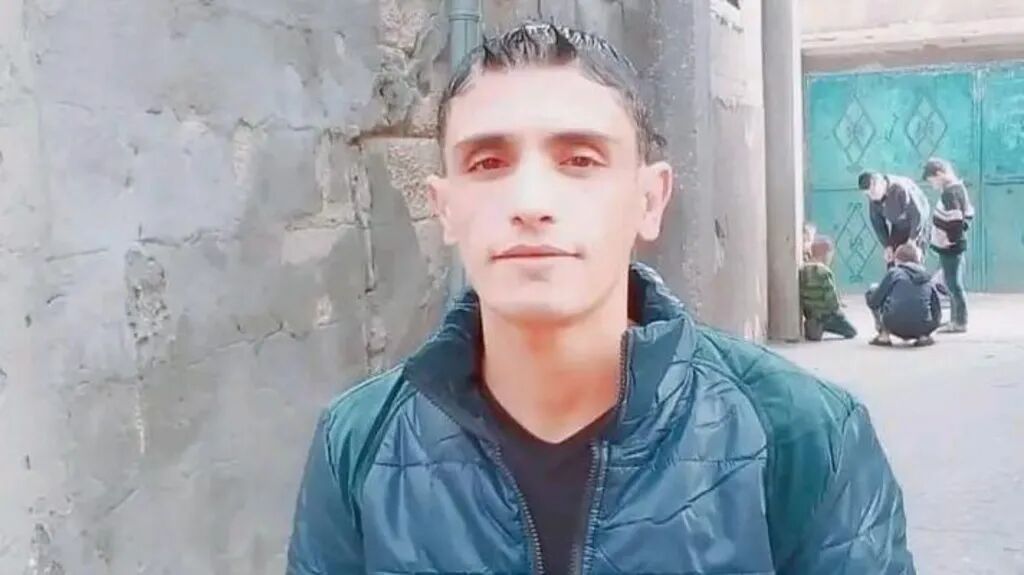
Ahmed, a diabetic, began deteriorating after the Israeli blockade of aid deliveries intensified in March. By July, his body had withered from 80 kilograms to 35. Despite being taken to a hospital, doctors reportedly told the family, “He needs food, not medicine.” They returned him home. Ahmed Alhasant died in Deir al-Balah, central Gaza. “He used to love football, install satellite dishes, and help people,” Yehia said. “He was kind, and he had a strong personality.”
Aid groups continue to warn that humanitarian conditions are deteriorating at an “accelerating pace.” The World Health Organization recently estimated that at least 10% of Gaza’s population is now acutely malnourished.
On Monday evening, 29-year-old Mohamed Kullab was killed in an Israeli airstrike on the al-Qadesiya camp in western Khan Younis. He had been resting in his tent when the bomb fell.
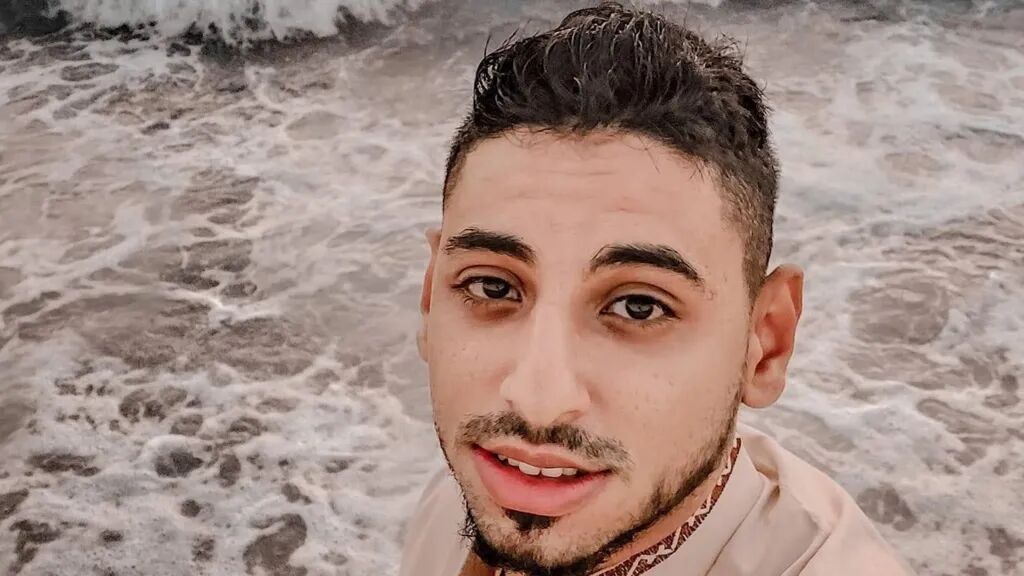
His brother-in-law, Amar Ragaida, said Mohamed had been helping search for food the previous day. “He told me, ‘Don’t go alone. I’ll try to get flour for you.’ The next day, he was gone.” Mohamed had been the primary caregiver for his younger siblings. “He was full of life,” Amar said. “People loved him. He never got involved in anything unnecessary.”
The IDF responded with the same statement it issued in Abdullah’s case, stating that it took precautions during operations and could only provide additional details with specific location information.
International concern is mounting. The Hamas-run Health Ministry in Gaza reported two deaths from malnutrition within 24 hours on Thursday. Aid agencies described the situation as “mass starvation.” Israel has denied responsibility, blaming Hamas for hoarding or diverting supplies.
Meanwhile, the UN and humanitarian organizations have repeatedly urged the Israeli government to lift barriers to aid. According to the UN, over half of Gaza’s population is now displaced, and access to food, water, and medicine remains dangerously restricted.
Despite limited deliveries resuming in May, humanitarian groups say the aid allowed in is nowhere near enough to meet the urgent needs of civilians.
As the death toll climbs and families like the Jendeias, Alhasants, and Kullabs bury their dead, the calls for a ceasefire and safe humanitarian access grow louder. For many in Gaza, the most basic act searching for food can now be fatal.
About the Author