Kenya has confirmed its first case of Ebola linked to the Bundibugyo virus.
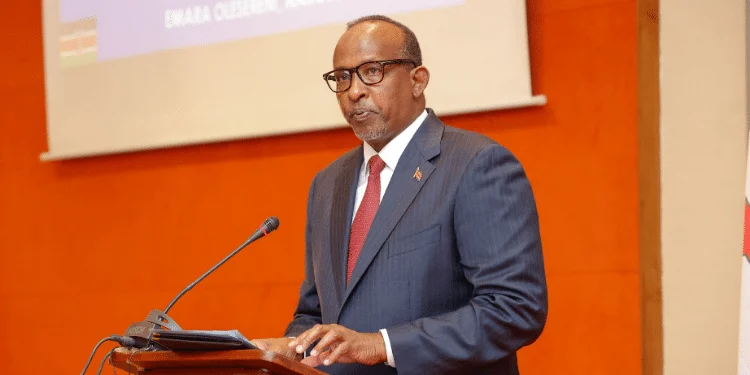
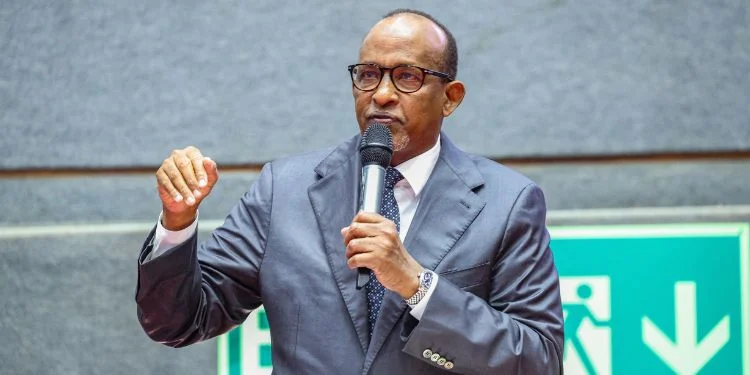
The patient has since died in Nairobi. The case was announced by Health Cabinet Secretary Aden Duale on Tuesday.
Patient Had Lived in DRC
The patient was a Kenyan citizen. He had lived in the Democratic Republic of Congo for seven years. He returned to Kenya on October 3.
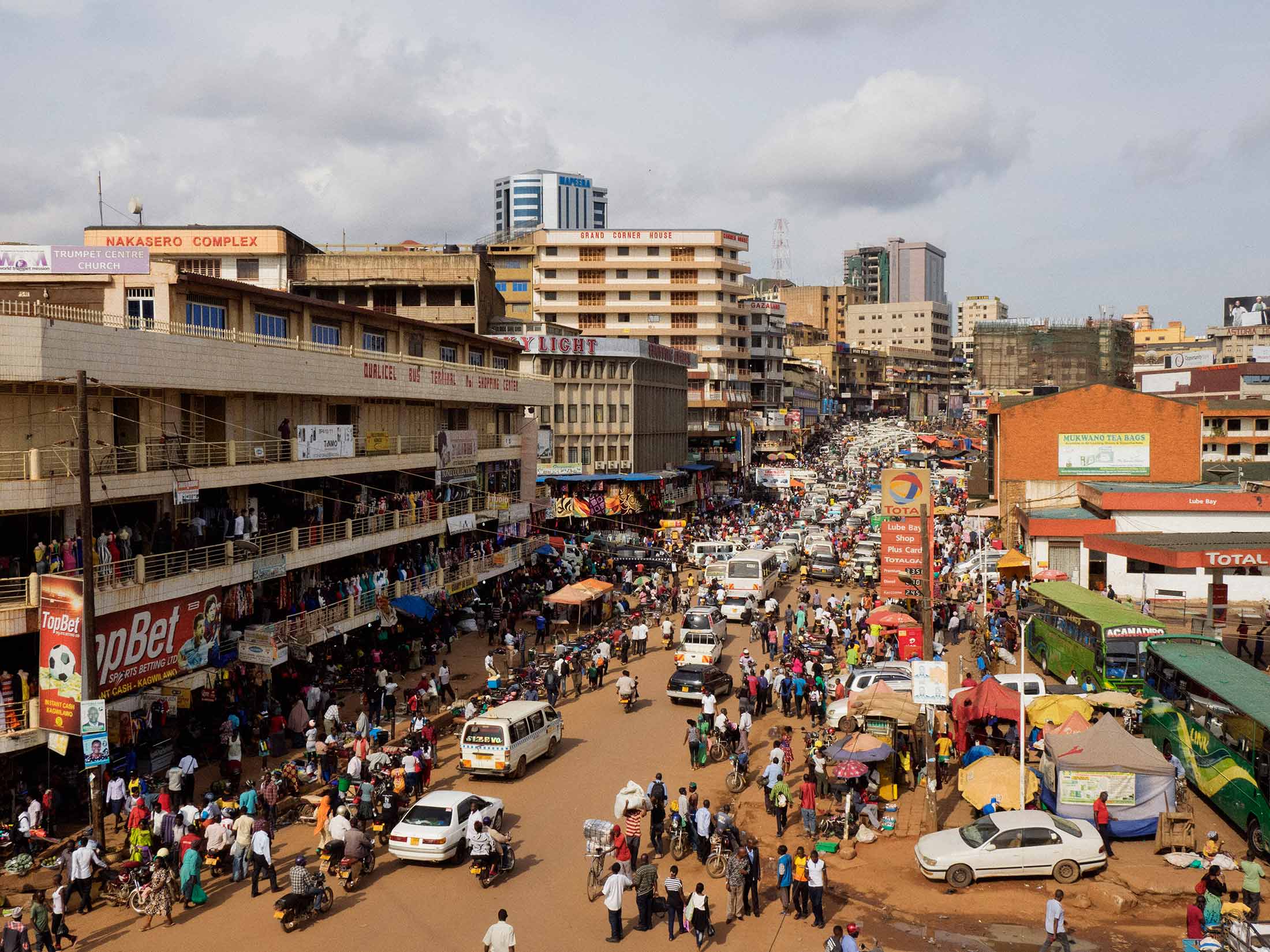
He had reportedly been ill for about a month. Treatment had been sought at several facilities in the DRC. The patient later travelled by road from the DRC to Kampala.
He then flew to Nairobi on a Jambojet flight. He arrived at Jomo Kenyatta International Airport.
Symptoms Were Reported
The patient was later taken to Nairobi Hospital. He was isolated after showing signs of a viral haemorrhagic fever. Tests were then carried out.
The results came back positive for Ebola Bundibugyo virus, according to Duale. Symptoms included fever and severe fatigue.
Weakness and muscle pain were also reported. Pain while swallowing was noted. Bleeding beneath the skin was also observed.
Patient Dies in Nairobi
Supportive treatment was provided. The patient’s condition, however, worsened. He died on Monday night.
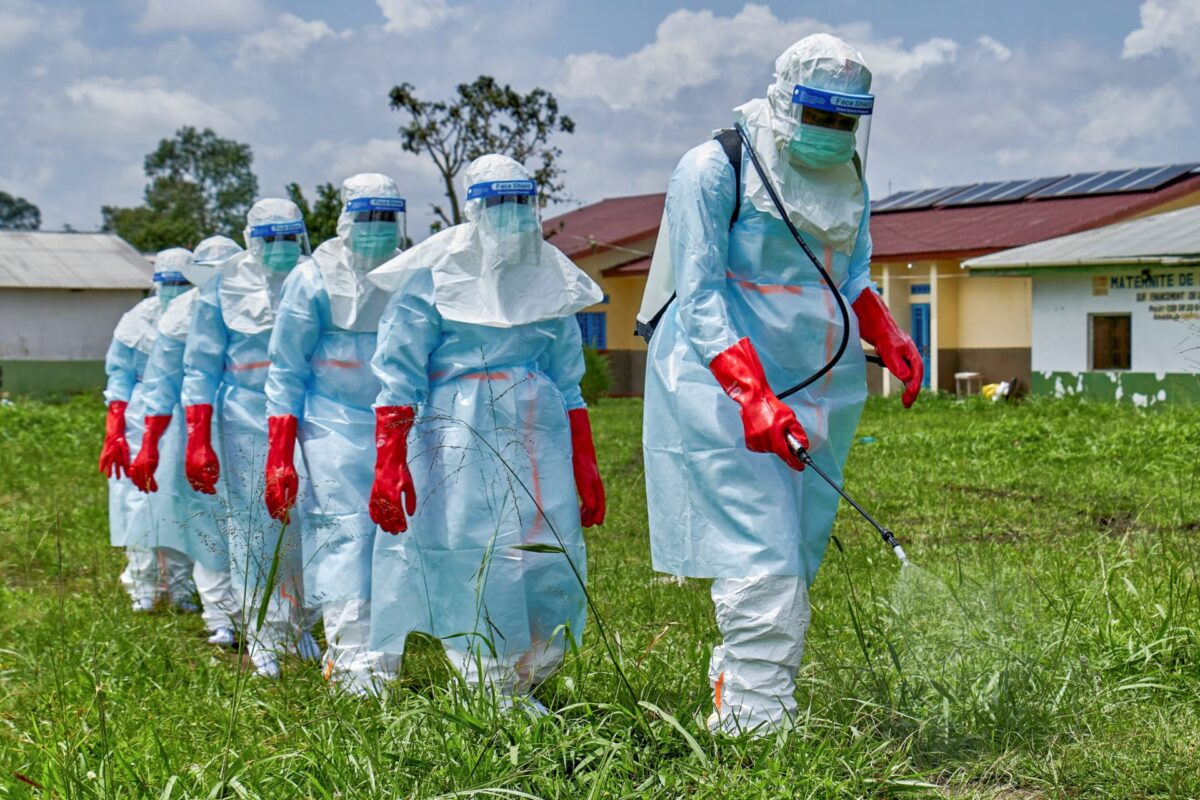
The death has prompted further public health measures. A burial was planned under Ebola safety protocols. Such measures are intended to limit possible exposure during handling of the body.
Contacts Are Being Traced
Health authorities have begun tracing people who may have been exposed. Twenty-eight close contacts have been identified. Passengers from the flight are also being followed.
Twenty-three passengers and four crew members are being sought for monitoring. Quarantine arrangements have also been prepared for people considered at risk, Duale said.
Kenya Had Prepared Earlier
The case comes after months of Ebola preparedness.
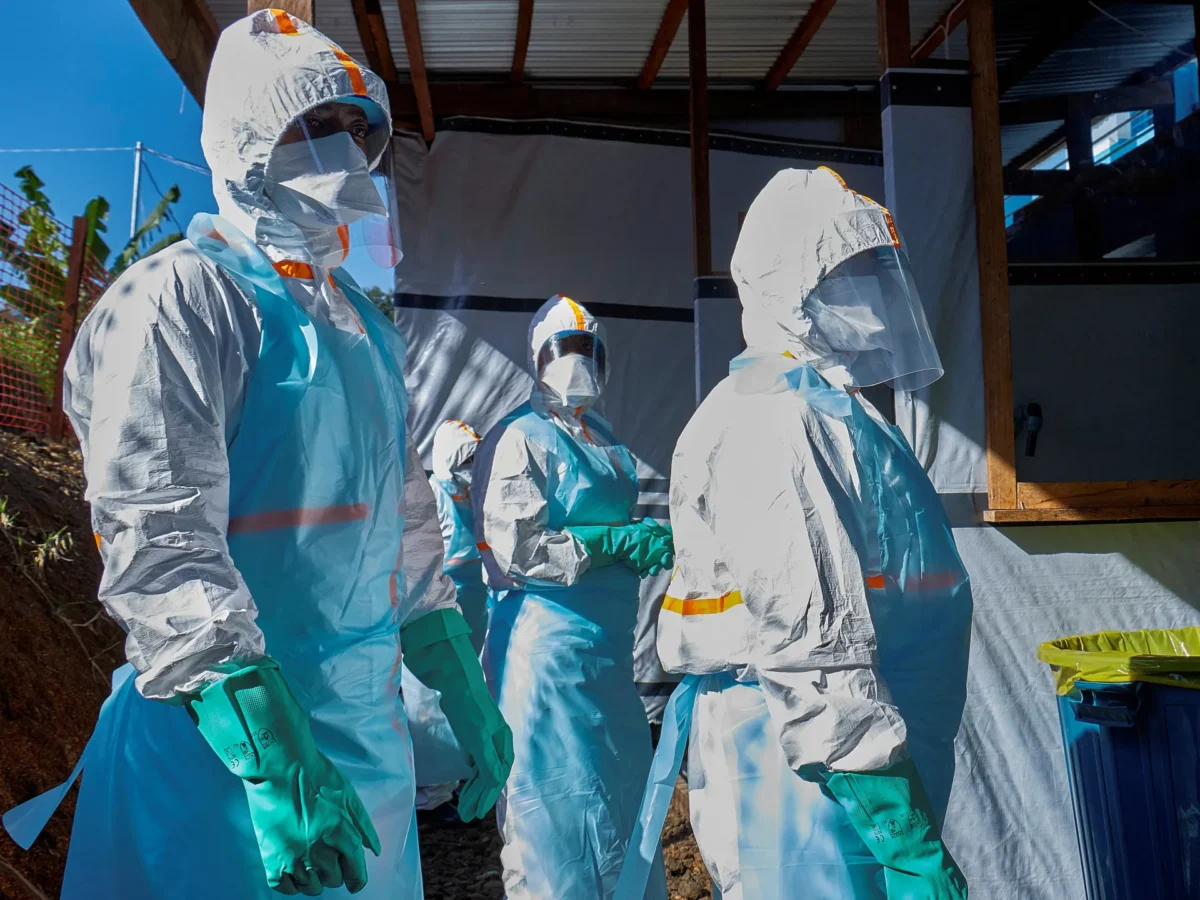
Kenya had strengthened surveillance at its borders after outbreaks were reported in the DRC and Uganda. Health workers were also trained at key border crossings.
The WHO has described the DRC outbreak as serious.
By September 23, the DRC had reported 7,890 confirmed cases and 3,799 deaths from Bundibugyo virus disease, according to the WHO. The outbreak had also spread across 63 health zones.
No Licensed Vaccine Available
The Bundibugyo strain presents a particular challenge. There is currently no licensed vaccine specifically for the disease. WHO says research into vaccines is continuing.
The vaccine used against another Ebola species is not yet proven to protect against Bundibugyo virus. For now, the response depends on early detection and isolation.
Contact tracing will also remain central. Safe burials and close monitoring are also required.
The Kenyan case marks a new development in an outbreak that has already crossed national borders. Health authorities are now working to establish whether any further infections occurred before the patient was isolated.
About the Author