WASHINGTON — President Donald Trump has ordered the United States government to rename Lake Ontario “Lake America”, adding a symbolic new front to an increasingly bitter dispute with Canada over trade.
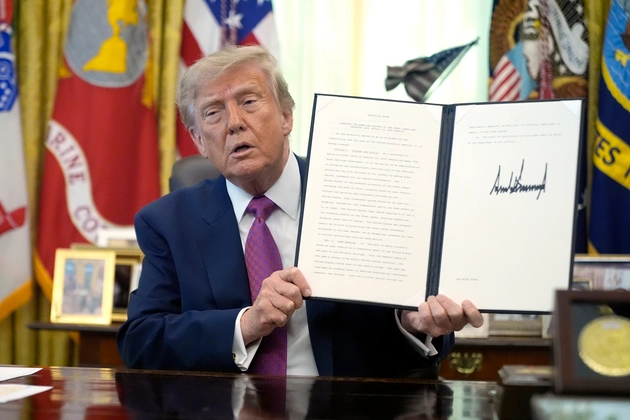
Trump signed the executive order on Thursday, directing the US Department of the Interior to begin the process of changing the name in the country’s official geographic records. The department has 30 days to update the Geographic Names Information System, the federal database of US place names.
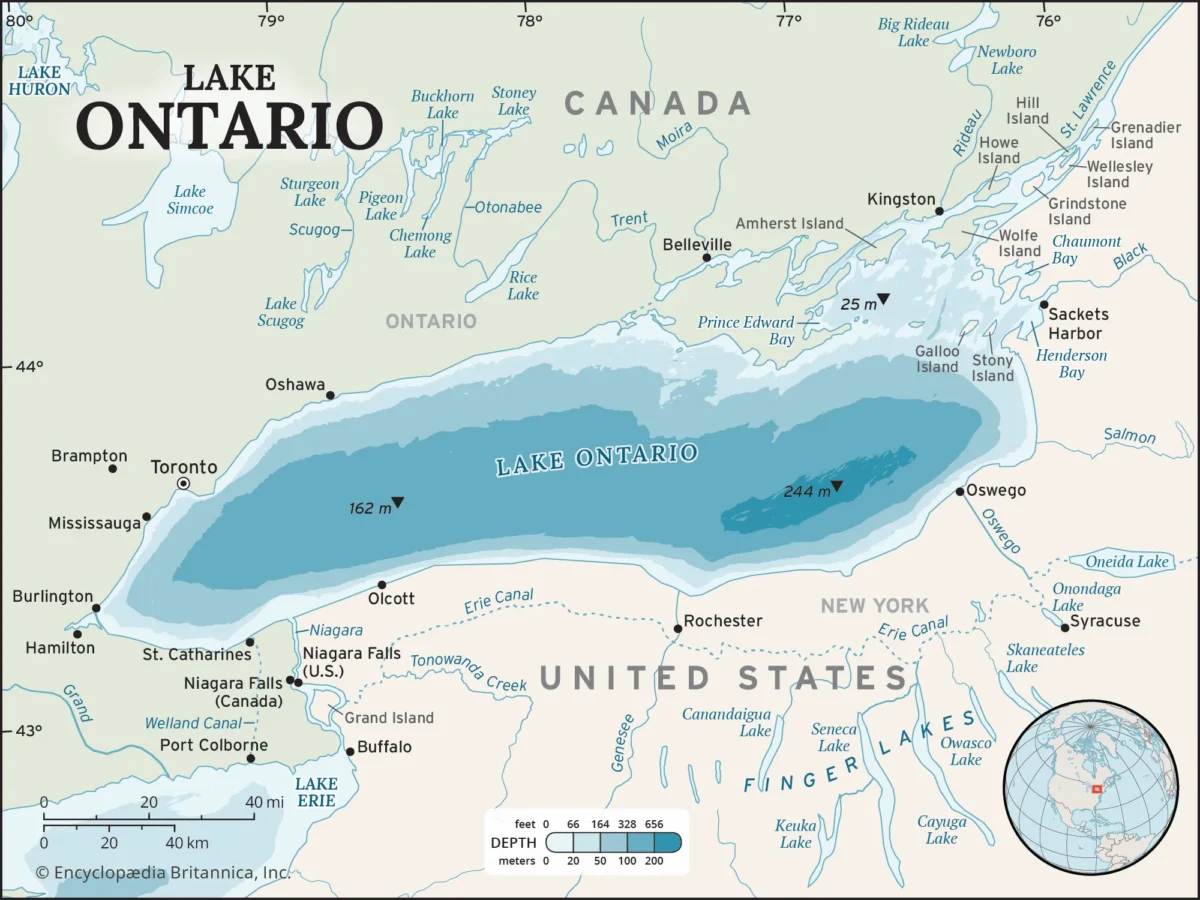
The order applies to US federal references. It does not give Washington the power to force Canada, which shares the lake with New York state, to adopt the new name.
Canadian Prime Minister Mark Carney rejected the change. He said the body of water would remain Lake Ontario, pointing to a name that predates both modern Canada and the United States.
“It is called Lake Ontario, today and forever,” Mr Carney said in a social media post.
Ontario Premier Doug Ford also dismissed the move, saying Canadians would continue to call it Lake Ontario.
The lake is one of North America’s five Great Lakes and forms part of the border between Ontario and New York. Its name has Indigenous roots and has been in use for centuries.
Trump presented the renaming as part of his broader effort to emphasise what he sees as America’s historic and economic contribution to the Great Lakes.
At the Oval Office signing, he also linked the decision to his long-running criticism of Canada’s trade policies.
“Canada has been ripping us off for a long time on trade,” Trump said.
The announcement comes as relations between Washington and Ottawa have deteriorated over tariffs. The United States has imposed new 50 per cent tariffs on about $20 billion worth of Canadian goods, while Canada has announced matching retaliatory measures.
Trump has previously pursued similar changes to geographic names. In January 2025, he ordered the Gulf of Mexico to be referred to as the “Gulf of America” in US federal usage. The change was not adopted universally, with Mexico continuing to use Gulf of Mexico.
The latest order faces the same basic limitation: a US president can direct federal agencies on how geographic names are used by the American government, but cannot unilaterally determine what another country or international organisations call a shared body of water.
Trump, meanwhile, suggested that the campaign to rename major bodies of water may not end with Lake Ontario.
“We have a gulf and we have a lake,” he said. “Now, all we need is an ocean.”
For Canada, however, the message from Ottawa has been clear: the lake’s name is not changing.
The dispute over a name may appear largely symbolic, but it comes at a particularly tense moment in US-Canadian relations, with tariffs and trade negotiations already putting pressure on businesses and consumers on both sides of the border.
About the Author