
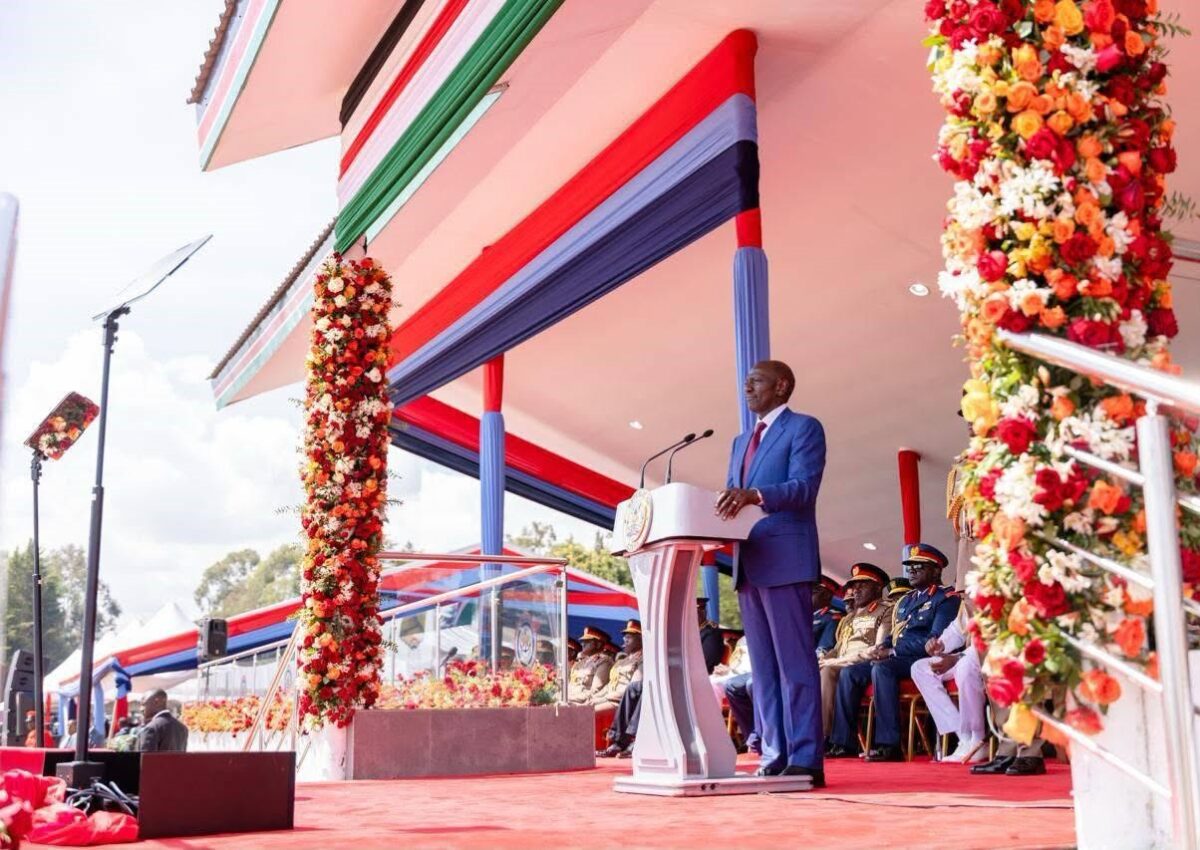
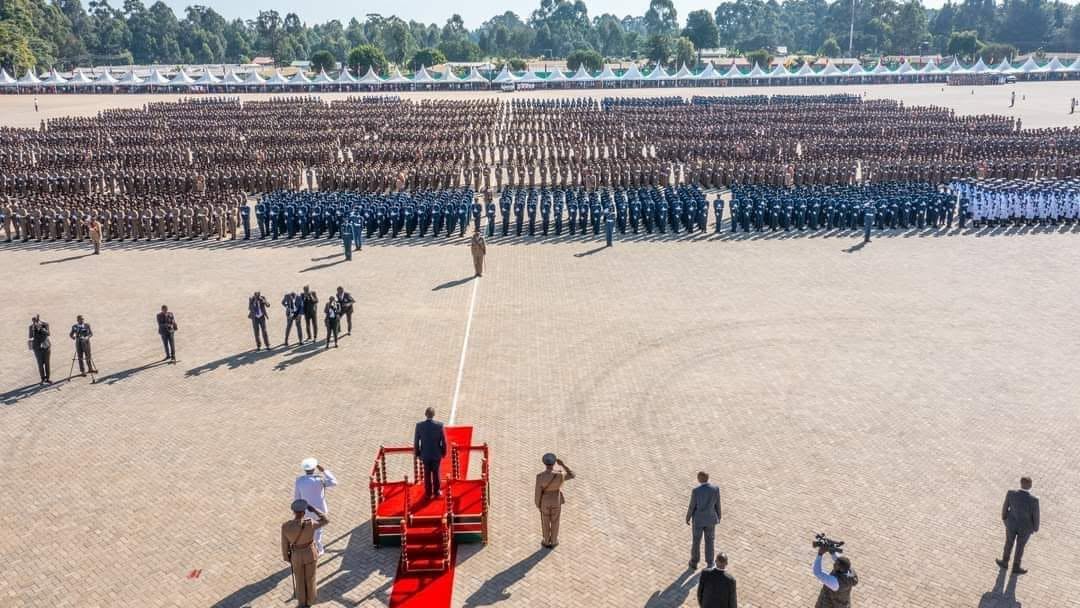
President William Ruto has told Kenya’s newest soldiers that defending the country will increasingly mean protecting more than its borders.
At a passing-out parade in Eldoret on Thursday, Mr Ruto said future threats could come through computer networks, drones, climate-related crises and disruptions to vital supplies.
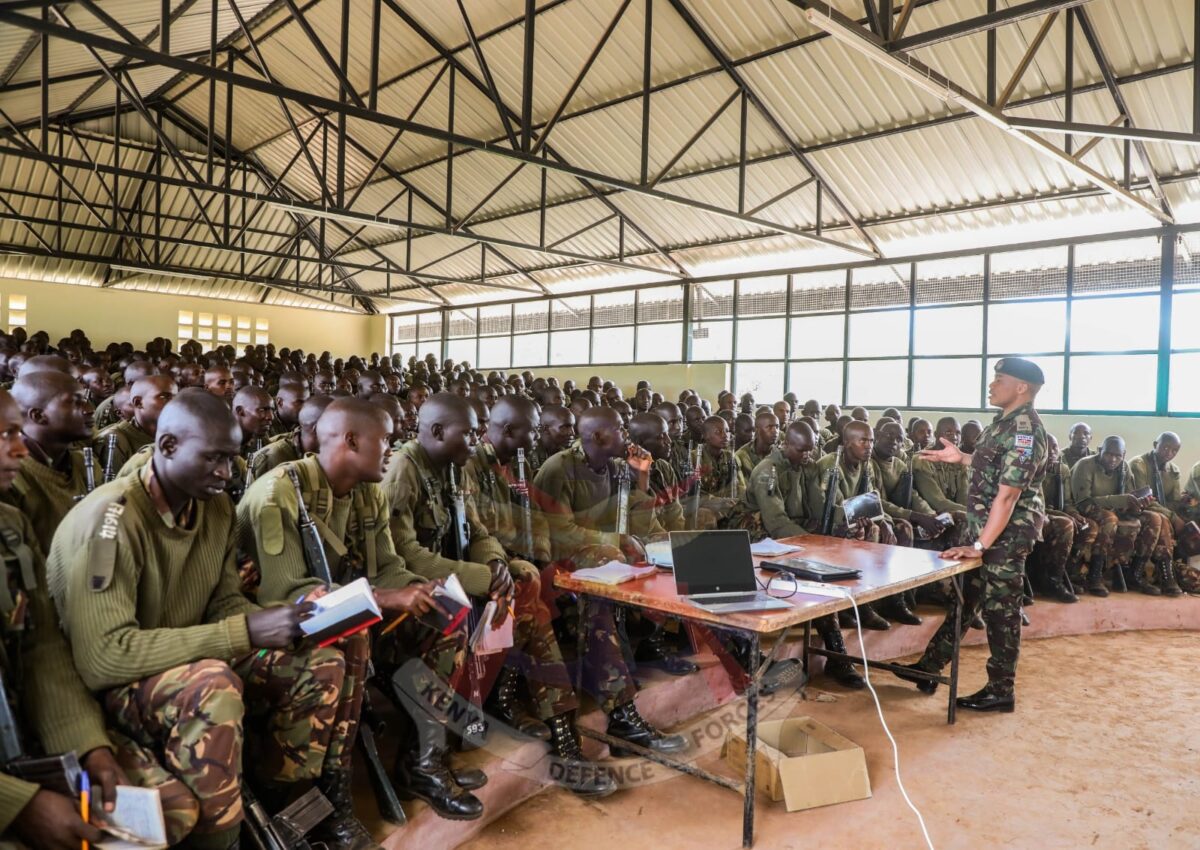
The recruits of Cohort 01/2025 completed their training at the Kenya Defence Forces Recruits Training School, marking the start of their service in the military.
You leave today as one force, under one flag, bound by one Constitution,” President Ruto told them
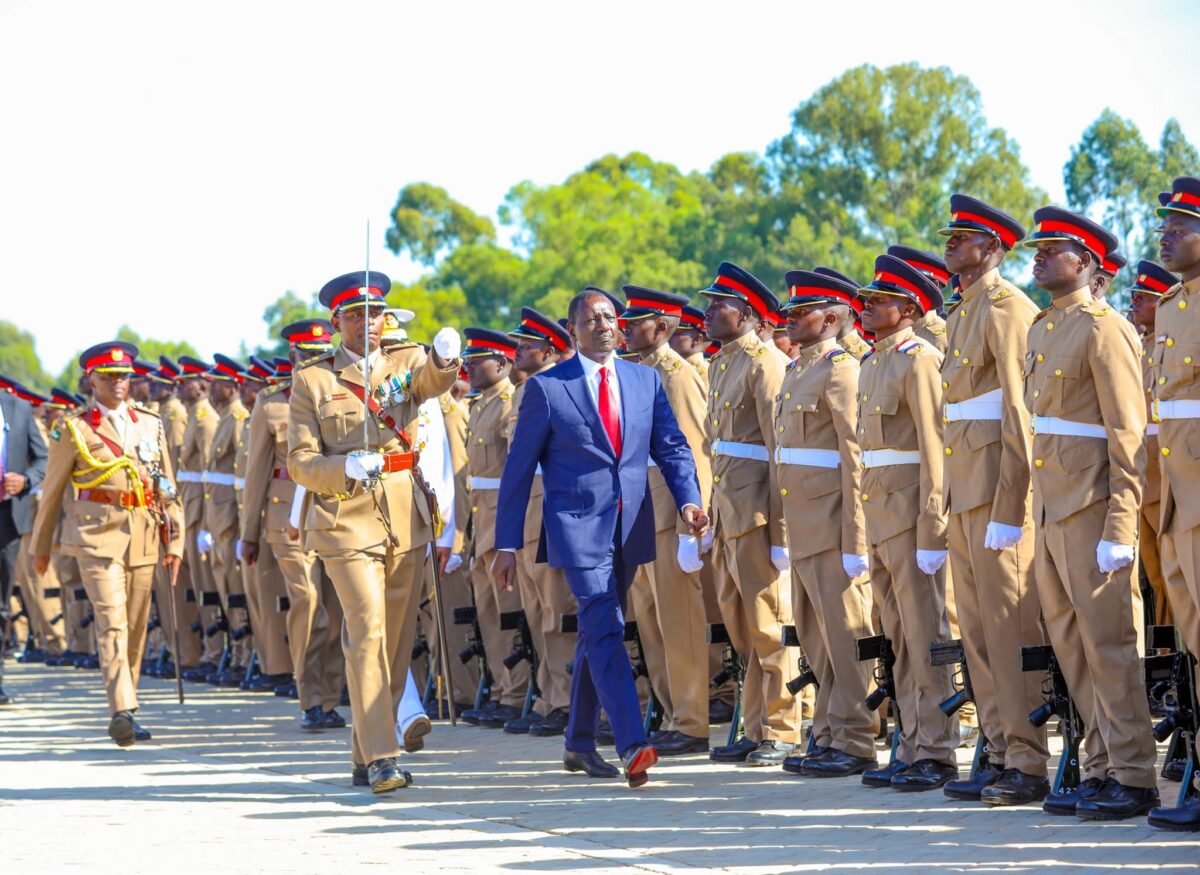
But his message went beyond the traditional duties of a soldier.
A battlefield beyond the border
President Ruto said Kenya was beginning to think about the country it wanted to build after Vision 2030. That discussion, he said, could not be separated from questions of national security.
Security and development are not competing priorities,” he said. “They are the same foundation, viewed from two directions.”
The President pointed to a widening range of risks.
A hostile attack, he said, could target a computer server rather than a border post. Drones could operate without pilots. Artificial intelligence could interfere with systems and spread misleading information. Climate shocks could displace communities and increase competition for land and water.
Disease outbreaks, he added, could at times threaten more lives than an armed adversary.
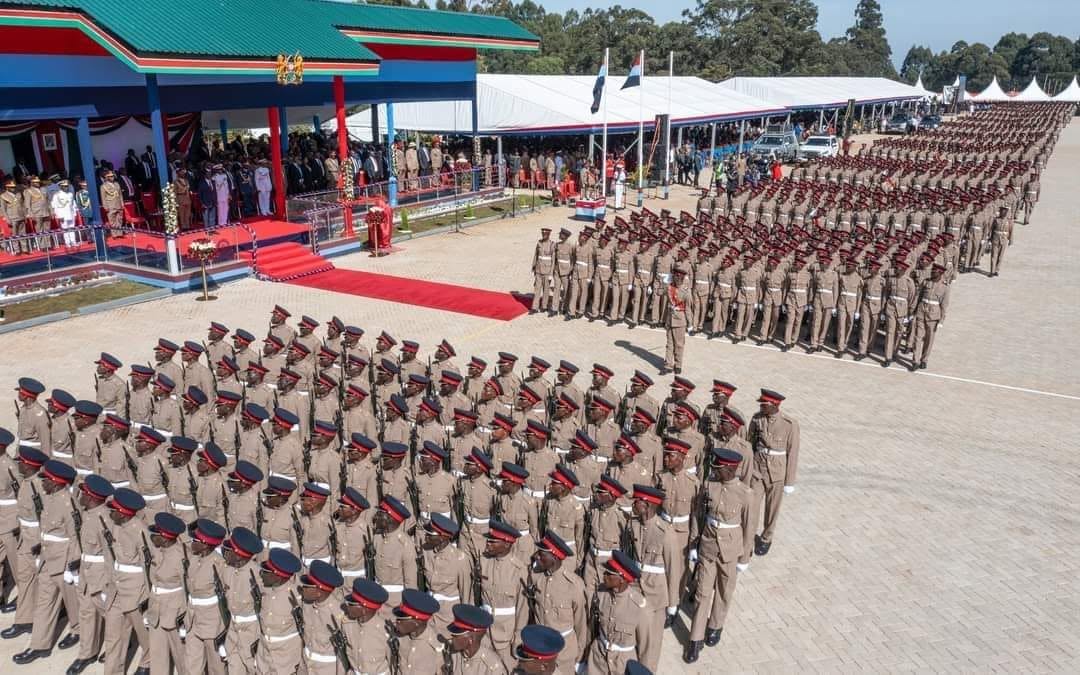
The speech reflects a broader shift in how Kenya is thinking about national security. In an earlier speech to officer cadets, President identified cyber security, terrorism, organised crime, climate-related security risks, banditry and cattle rustling among the threats facing the country.
From soldiers to engineers and medics
President Ruto also highlighted the military’s role outside combat.
He said KDF engineers were supporting construction projects, including the Raila Odinga International Stadium at Talanta Sports City and the Bomas International Convention Complex.
The military, he said, also provides logistics, medical support and disaster response when civilian systems are overwhelmed.
Kenya’s shipbuilding efforts were another example he cited. President pointed to MV Uhuru II, built locally through Kenya Shipyards Ltd and the Kenya Navy, as evidence that military capabilities can also contribute to wider industrial activity.
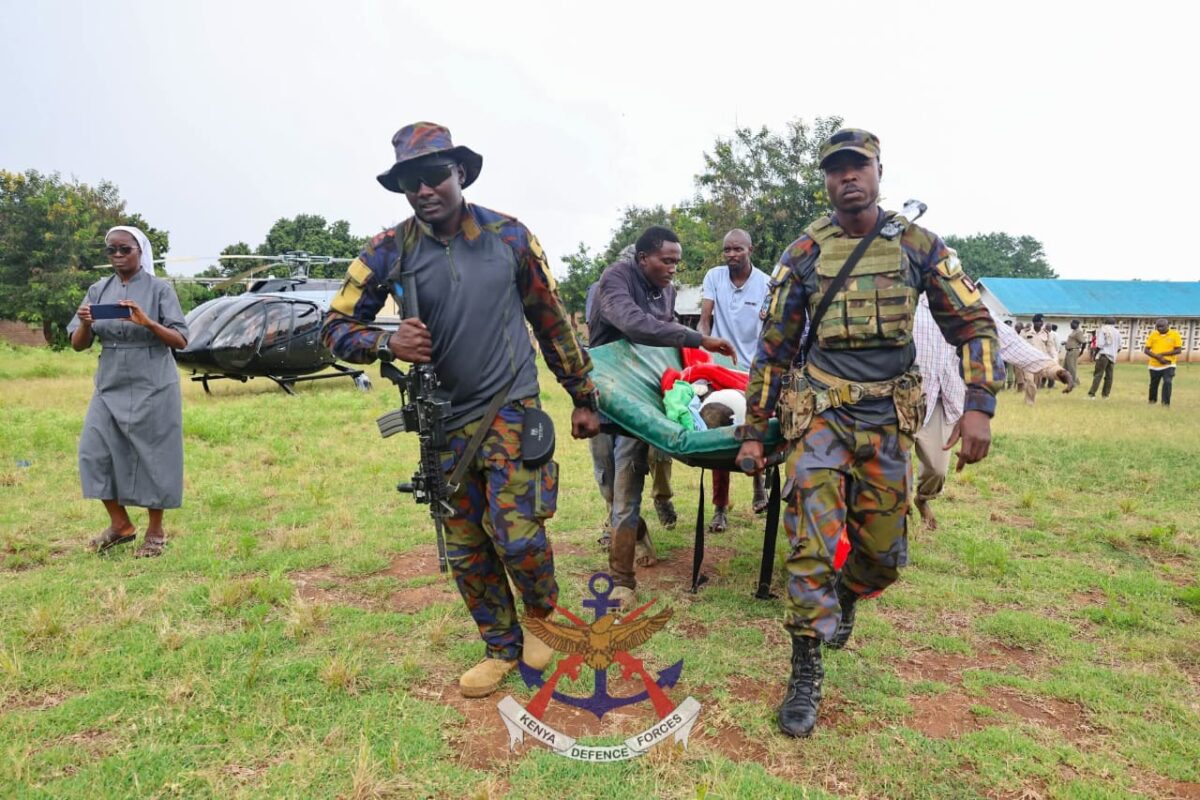
The President also pointed to Kenya’s role in peace-support missions beyond its borders, saying regional stability protects Kenyan citizens, trade and the country’s future.
A stronger focus on technology
For the recruits, however, the President’s central message was about the kind of soldier Kenya will need in the years ahead.
He said future members of the KDF would have to combine physical fitness and discipline with technological knowledge and sound judgement.
“The future soldier must not only be fit, disciplined, and tactically sound, but also technologically literate, intellectually curious, and constitutionally grounded,” he said.
That emphasis comes as the Government says it plans to strengthen KDF capabilities in cyber security, intelligence, maritime security and military medicine. It also promised greater attention to the welfare of service members and their families.
A warning about the use of power
President Ruto also placed an emphasis on restraint.
The recruits, he said, had been trained to obey lawful commands. Their service would require them to make difficult decisions under pressure and distinguish lawful authority from abuse.
That message places constitutional responsibility alongside military discipline.
The President reminded the recruits that the KDF’s mandate includes defending Kenya’s sovereignty and territorial integrity, supporting other authorities during emergencies and disasters, and, with parliamentary approval, helping restore peace where instability threatens citizens.
For the young soldiers, the ceremony therefore marked more than the end of training.
They were being asked to enter an institution whose responsibilities are expanding as Kenya’s security environment changes.
“Defend our sovereignty. Protect our people. Secure Kenya’s future,” President said in closing.
About the Author