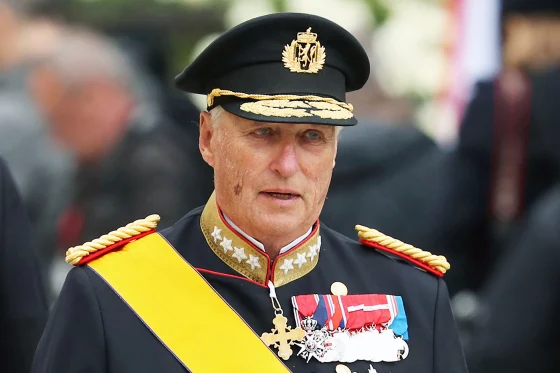
OSLO — Norway’s King Harald V has died at the age of 89, ending a 35-year reign during which he became a deeply popular and unifying figure in the country.
The Royal Palace in Oslo said the King died peacefully at 6:35 a.m. local time on Friday at the national hospital. He had been receiving treatment for haemolytic anaemia, a rare blood condition, after being admitted to hospital on 17 August.
The royal flag above the palace was lowered to half-mast. Members of the royal family had visited the King in the hours before his death, while mourners gathered outside the palace to lay flowers.
Harald is succeeded by his son, Crown Prince Haakon, 53, who is expected to hold an extraordinary council of state with the Norwegian government on Friday.
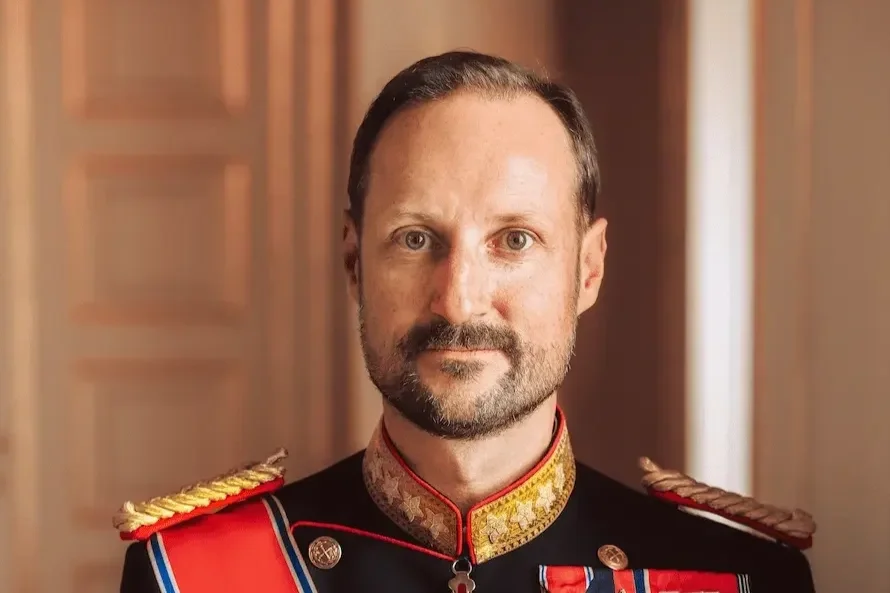
The King’s death drew condolences from fellow European monarchs. Britain’s King Charles III offered his “most heartfelt condolences”, while Sweden’s King Carl XVI Gustaf described Harald as “a good friend to me, my family and to Sweden”.
Harald, who was born in Norway in 1937, was the first Norwegian-born king since the 14th Century. His childhood was marked by war. He was three when Nazi Germany invaded Norway in 1940, forcing his mother and siblings to flee to Sweden before travelling to the United States.
He returned to Norway after the war and later studied social science, history and economics at Balliol College, Oxford. He became crown prince in 1957 and ascended the throne in January 1991 after the death of his father, King Olav V.
Harald also helped reshape the image of the Norwegian monarchy. In 1968, he married Sonja Haraldsen, the daughter of a businessman, after a long courtship that initially faced opposition because she was a commoner.
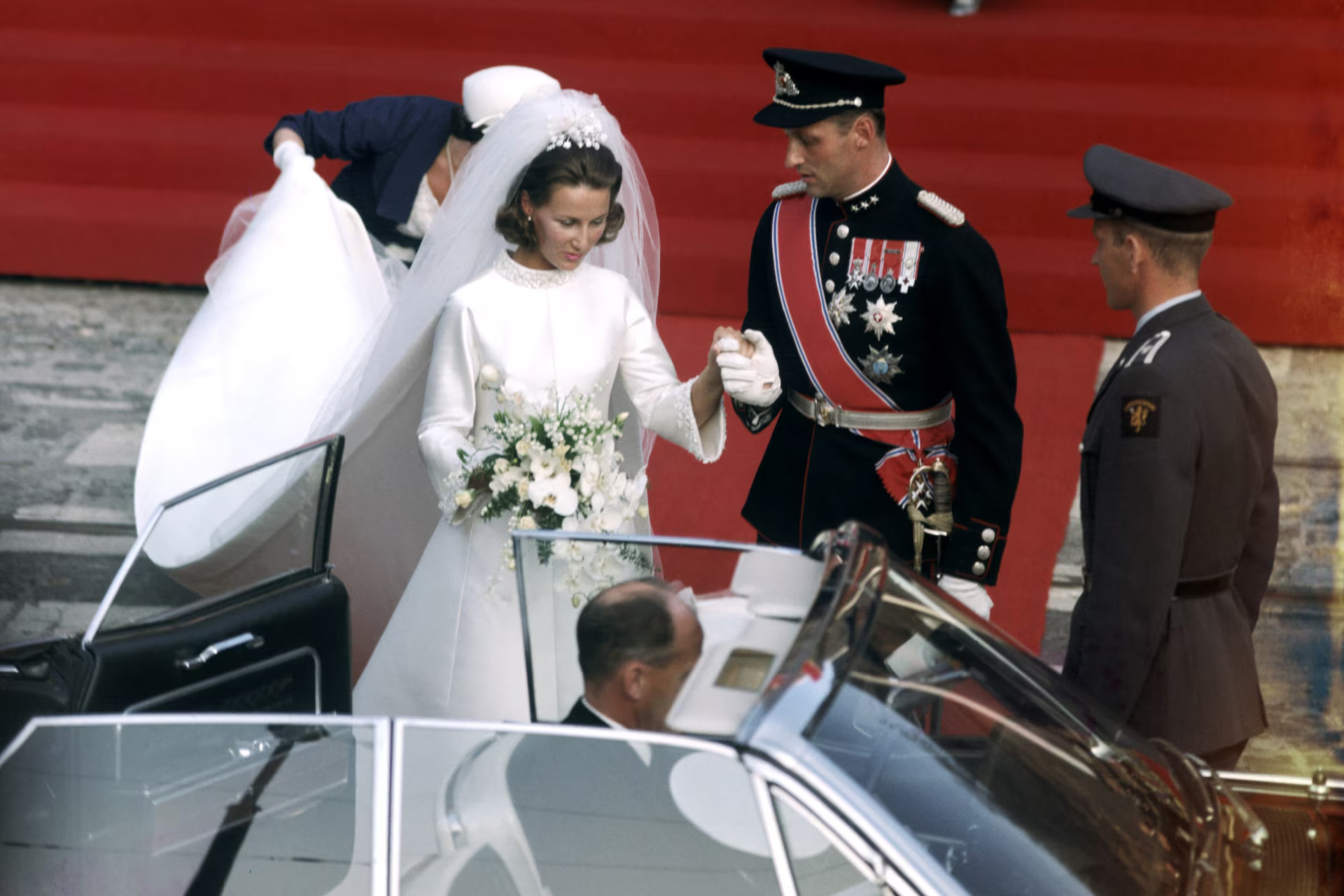
The couple eventually married at Oslo Cathedral. Their decision helped pave the way for their children to marry outside royal families, further loosening some of the traditions surrounding the Norwegian throne.
Royal observers described Harald as approachable and closely connected to ordinary Norwegians. Historian and royal correspondent Ole-Jørgen Schulsrud-Hansen said the monarchy became more open about matters including its finances and the King’s health during Harald’s reign.
One of the defining moments of his reign came after the 2011 attacks in Oslo and on the island of Utøya, in which 77 people were killed. Harald urged Norwegians to stand together and reject fear.
“I can only imagine the depth of your pain,” he said in a televised address to the nation. “As King of this nation, I feel for each and every one of you.”
He also became known for speaking openly about diversity. In a widely remembered 2016 speech, Harald described Norway as a country made up of people from different countries, faiths and backgrounds. He spoke in support of people of different religions and sexual orientations.
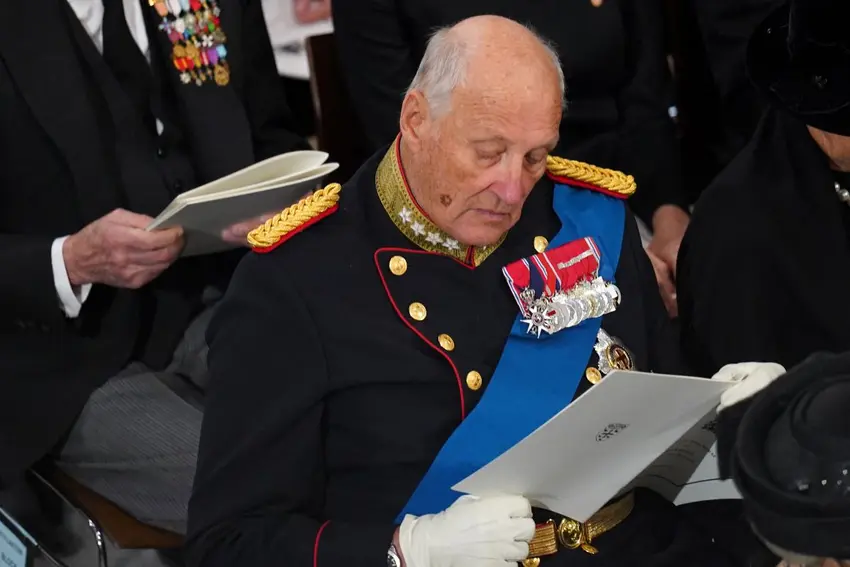
Away from royal duties, Harald was a committed sportsman and sailor. He represented Norway in sailing at three Olympic Games and remained closely involved with the country’s sporting life.
His later years were marked by declining health and growing scrutiny of the royal family. Harald reduced his public engagements permanently in 2024. His family also faced controversy surrounding his daughter-in-law, Crown Princess Mette-Marit, and her son, Marius Borg Høiby.
Despite the controversies surrounding the wider royal family, analysts said Harald himself remained widely respected.
“Everyone has loved King Harald,” royal expert Caroline Vagle said, describing him as a monarch who remained close to the people.
Harald is survived by Queen Sonja, his wife of almost 58 years, their daughter Princess Märtha Louise, their son King Haakon and six grandchildren.
For Norway, the immediate task will be to mourn a king who spent more than three decades on the throne, and to begin a new chapter under Haakon.
About the Author