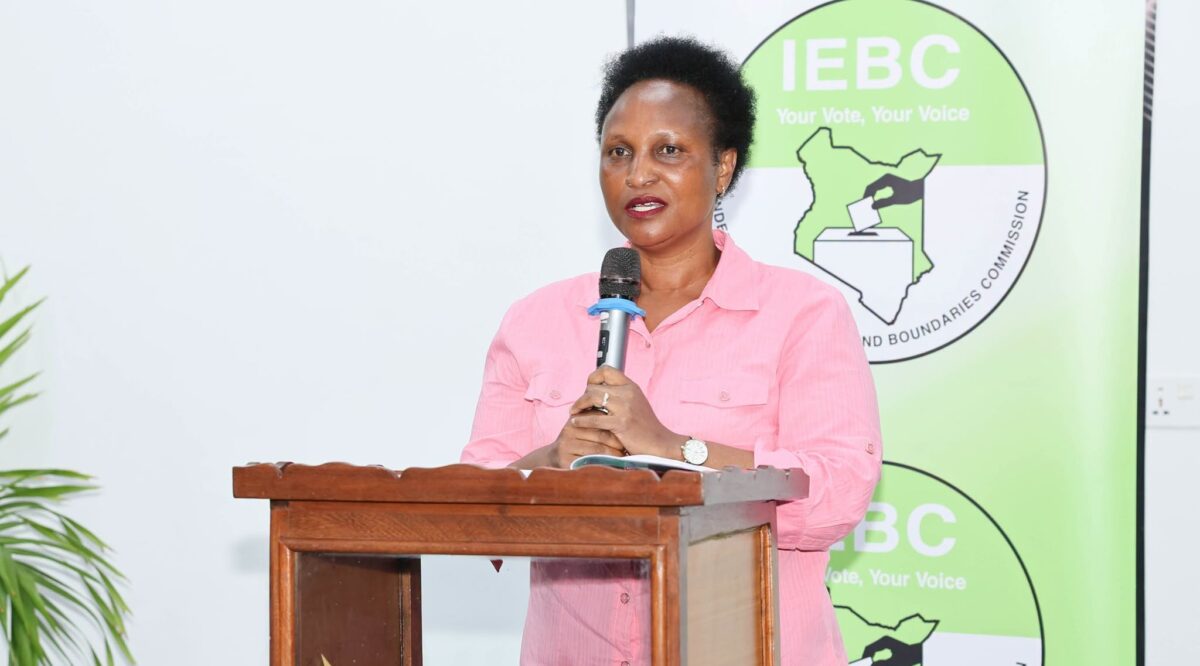
NAIROBI — Kenyans without university degrees can, for now, seek the Presidency, Governorships or Parliamentary seats in the 2027 General Election, the Independent Electoral and Boundaries Commission (IEBC) has said.
The clarification from IEBC Commissioner Ann Nderitu settles, at least for now, a question that has followed Kenya’s elections for years: whether a university degree should determine who can appear on the ballot.
“As we start now, there is no requirement for a degree for anybody. That’s the situation we are in,” Nderitu said during an interview on Citizen TV on Sunday night.
Her remarks come as political parties and prospective candidates begin preparing for the 2027 election, scheduled for August,10 next year.
A legal dispute behind the change
The issue dates back to the run-up to the 2022 election, when the requirement that candidates hold university degrees was challenged in court.
Nderitu said the court later found the relevant provision of the Elections Act unconstitutional. The ruling considered constitutional protections on equality and non-discrimination, as well as the requirement for public participation in lawmaking.
Article 27 of the Constitution guarantees equality and freedom from discrimination. Article 10 sets out national values and principles of governance, including public participation.
Nderitu said the court also considered data from the 2019 Kenya Population and Housing Census, which showed that about 3.5 per cent of Kenyans held university degrees.
She said the court reasoned that making a degree compulsory could shut most Kenyans out of seeking some of the country’s highest elective offices.
“According to the ruling then, it means that the rest of the Kenyan 96.5 per cent cannot participate in elections for governor, for President and for member of parliament. Meaning then, that is discriminatory,” she said.
The High Court had previously declared unconstitutional a provision requiring a university degree for parliamentary candidates, finding that the requirement affected political rights and had not been introduced through an adequate public participation process.
Parliament could revisit the issue
Nderitu stressed that the court decision does not mean educational qualifications can never be imposed on candidates.
Rather, she said Parliament could establish such requirements through the proper legislative process, including public participation.
“Unless now, maybe somebody will go to court, or we then start the process of public participation and now allow the degree process now to come through the proper public participation,” she said.
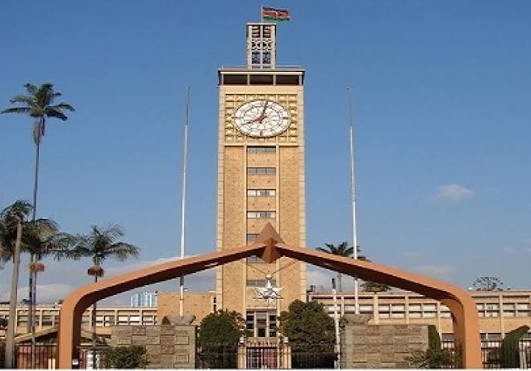
The Constitution leaves room for Parliament to prescribe educational requirements for parliamentary candidates. Article 99, for example, says a person seeking election to Parliament must meet educational, moral and ethical requirements prescribed by the Constitution or an Act of Parliament.
For now, however, Nderitu said the IEBC has no legal basis to demand a university degree from candidates seeking the affected offices.
“But degree, as we start now, is not part of the requirement,” she said.
What about MCAs?
The position is less straightforward for Members of County Assembly.
Nderitu said the MCA educational requirement was not directly covered by the court case she was discussing. But she acknowledged that the judgment raised questions about having different academic requirements for governors and MCAs.
If one office required a degree while another had a lower educational threshold, she said, the two positions could be difficult to reconcile under the reasoning of the ruling.
“Then there is a problem there in terms of matching according to the ruling,” Nderitu said.
The debate is therefore unlikely to disappear.
For aspiring candidates without university degrees, the current message from the electoral commission is clear: a degree is not presently a requirement for the presidency, governorships or Parliament in the 2027 election.
About the Author