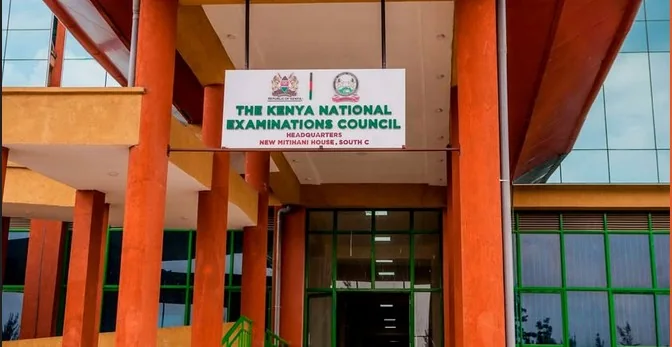
NAIROBI — Schools and teachers now have a closer look at how Kenyan learners performed in the 2025 national assessments, after the Kenya National Examinations Council released detailed feedback reports for the Kenya Junior School Education Assessment and KCSE.
The reports offer subject-by-subject analysis of learner performance, examination trends and areas where schools may need to strengthen instruction.
KNEC says its bookshop at New Mitihani House in South C, Nairobi, provides examination feedback reports, question papers and marking schemes to schools, teachers, researchers and the public.
The reports are intended to do more than record grades. They give educators a way to examine how learners performed and use that information when planning teaching and assessment.
What the KJSEA report shows
The 2025 KJSEA was taken by more than 1.13 million learners. KNEC’s official statistics put the total candidature at 1,130,547.
The assessment covered learners completing Grade 9 under the competency-based curriculum. KNEC’s guidelines describe KJSEA as the national summative assessment administered at the end of Grade 9.
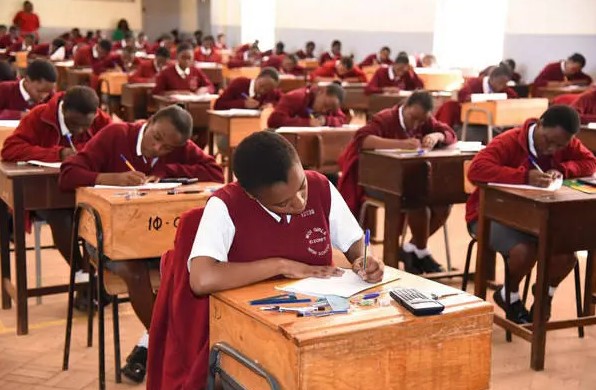
The feedback reports are divided into three volumes. They cover languages; mathematics, science, agriculture and pre-technical studies; and humanities, creative arts and sports.
The reports also include question papers and marking schemes, allowing schools to examine performance in greater detail.
KNEC’s analysis provides a breakdown of results by learning area, including performance across different learner groups.
The data points to areas that may require greater attention. Mathematics and Kenyan Sign Language were among the learning areas with lower levels of performance, according to the assessment analysis.
The reports also provide information on how learners performed across the different competency levels.
What the KCSE report reveals
The 2025 KCSE was sat by a record 993,226 candidates, according to KNEC’s official examination statistics.
Of that group, 1,932 candidates earned an A, while 270,715, or 27.18 per cent, achieved the minimum C+ grade required for direct university admission.
More than half of the candidates, 507,131, or 50.92 per cent attained C- or higher.
The examination results also showed differences in performance between male and female candidates across subjects.
KNEC’s official results circular confirms that the KCSE grading system continues to report candidates using both numeric and letter grades.
The 2025 examination also recorded cases of examination irregularities, with some candidates having their results cancelled.
Why the reports matter
For teachers, the value of the feedback may lie less in the headline numbers and more in what happens next.
The reports give schools an opportunity to identify subjects and topics where learners struggled, compare performance and adjust teaching strategies.
They also give education researchers and policymakers a broader picture of how learners are performing under Kenya’s changing assessment system.
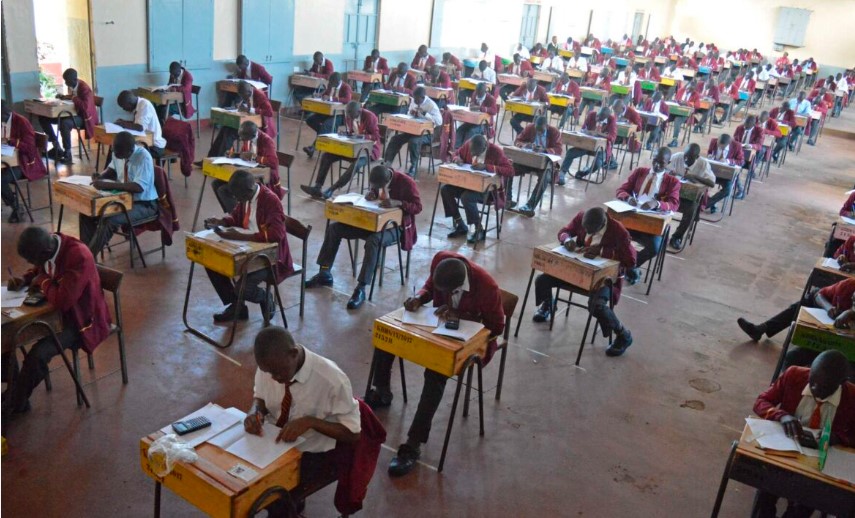
For KJSEA in particular, the data comes as the country continues to move towards senior school under the Competency-Based Curriculum. KNEC has issued further guidance on the transition, including instructions for Grade 10 subject selection.
The reports are available through the KNEC bookshop at New Mitihani House, South C, Nairobi. The council also makes examination publications, including feedback reports and marking schemes, available to schools and other stakeholders.
About the Author