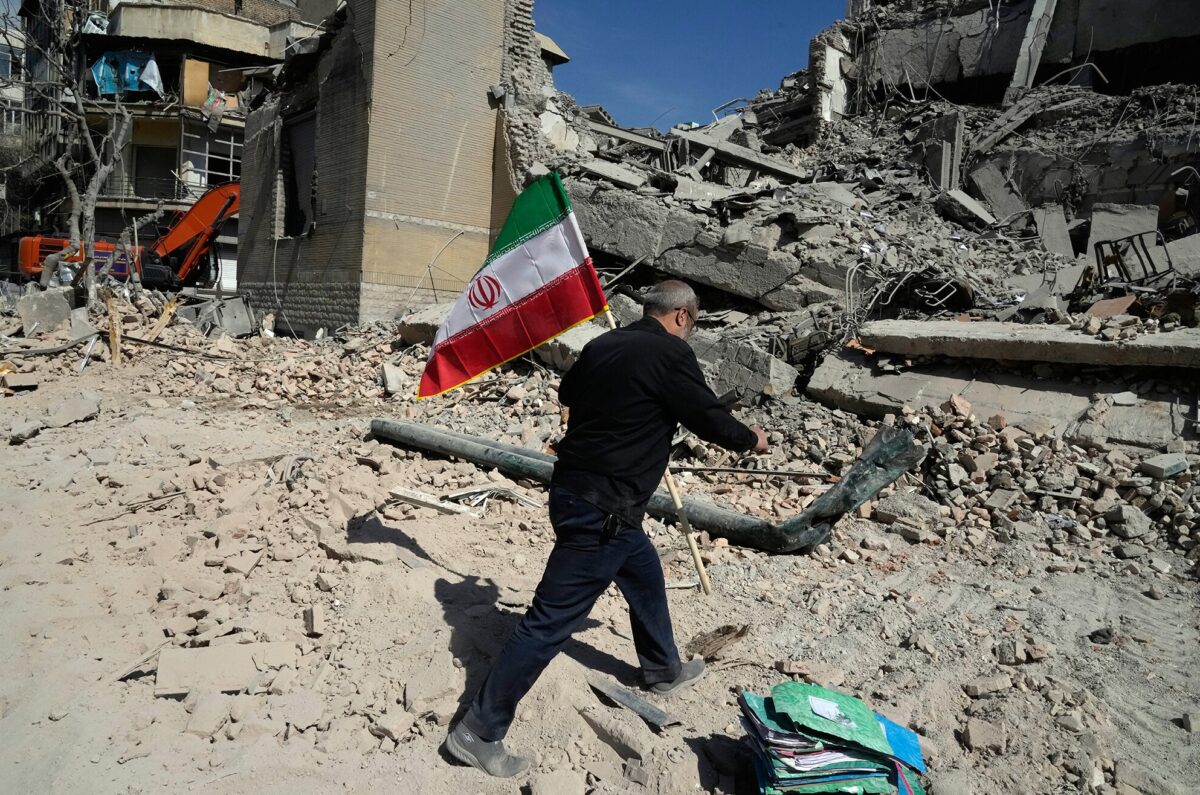
TEHRAN — Iran says it will not accept an end to its conflict with the United States and Israel on terms dictated by what it calls the “aggressive” parties, as pressure on Tehran mounts over sanctions and the Strait of Hormuz.
Foreign Ministry spokesman Esmaeil Baghaei said Monday that Iran had not started the war but would not allow its conclusion to be determined by its opponents.

“We have definitely not been the party to start the war, but we will not let the war’s end be based on the aggressive parties’ conditions,” Baghaei told reporters at his weekly news conference in Tehran.
He said Tehran remained determined to defend its territory and would not accept what he described as excessive demands from the United States and its allies.
The comments came as Washington intensified economic pressure on Iran and tensions continued around the Strait of Hormuz, one of the world’s most important energy routes.
Iran rejects US claims over Hormuz
Baghaei also disputed US claims that the Strait of Hormuz was operating normally and that millions of barrels of oil were moving through the waterway each day.
He described such statements as part of what he called psychological and media warfare.
The dispute comes as shipping through the strait remains severely disrupted. Reuters reported on Monday that Iran had threatened dozens of tankers with fines, detention or cargo confiscation over alleged violations of its transit rules.
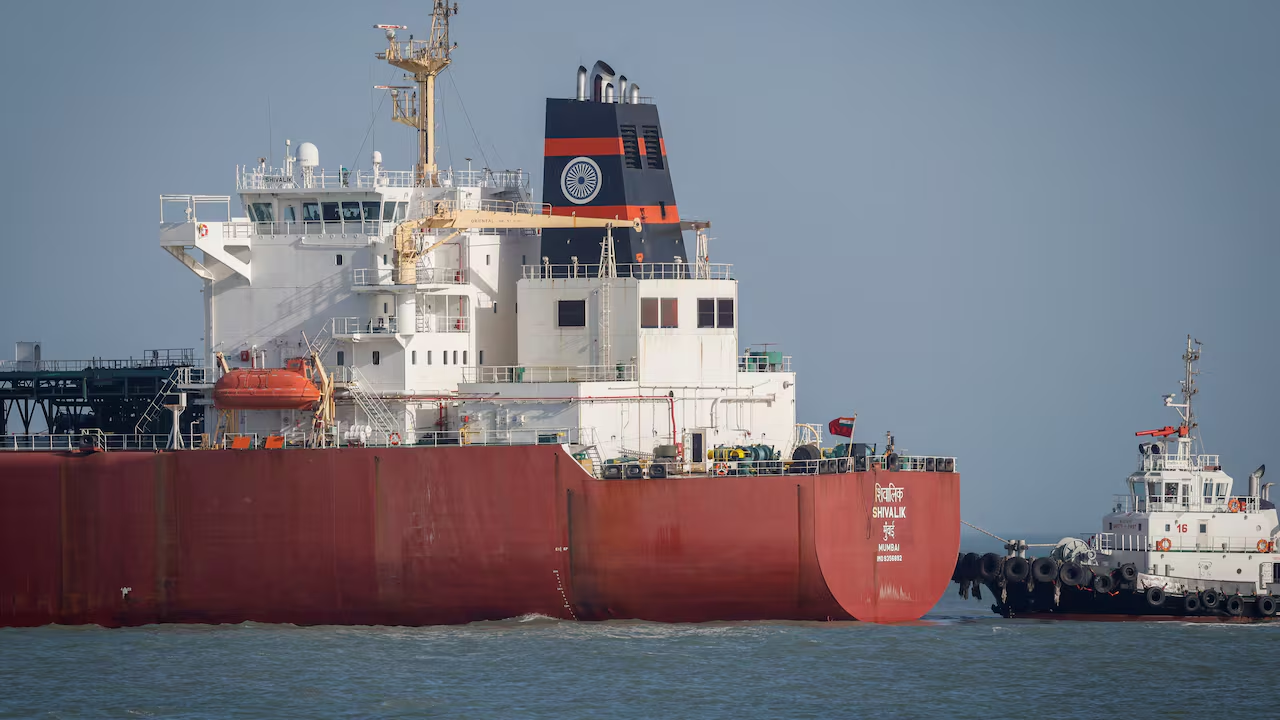
The waterway is critical to global energy markets, with a large share of the world’s oil and liquefied natural gas traditionally passing through it.
Washington increases economic pressure
The latest escalation follows a new US economic campaign against Tehran.
US President Donald Trump has threatened countries that continue to provide economic support to Iran with tougher penalties. US Treasury Secretary Scott Bessent has also warned foreign governments and businesses that they could face consequences for maintaining financial ties with Tehran.
Baghaei condemned the measures and said Iran would use diplomatic and international channels to oppose them.
Tehran has repeatedly argued that US sanctions violate free trade and national sovereignty. Washington, meanwhile, has defended its pressure campaign as a way of forcing Iran towards a settlement.
Tehran warns countries hosting US forces
Baghaei also issued a warning to countries that allow American military facilities or equipment to be used against Iran.
He said Tehran reserved the right to respond to the source of any attack, including facilities in other countries if they were used to launch operations against Iran.
The remarks underline the wider regional risks posed by the conflict. Iran’s confrontation with the United States has already affected shipping and energy markets, while neighbouring states have faced pressure to choose how closely they cooperate with Washington.
Diplomacy remains uncertain
Despite the harsh rhetoric, diplomatic efforts have not completely stopped.
Pakistan has been involved in mediation efforts, while Oman has continued discussions with Iran over the Strait of Hormuz. Oman’s foreign minister is due to visit Tehran as part of those efforts.
The two sides remain far apart, however.
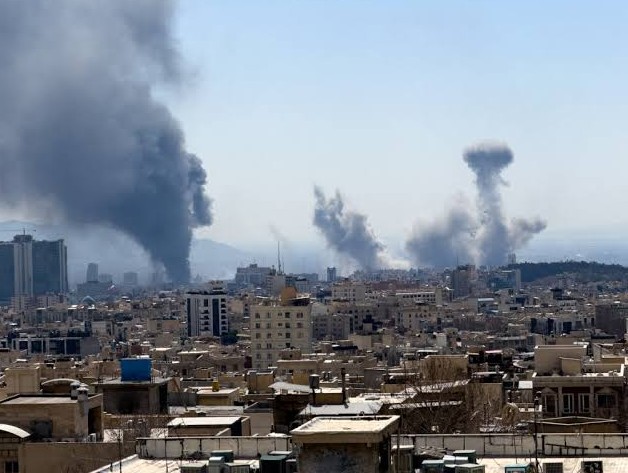
The April ceasefire halted direct attacks and opened a path towards negotiations, but analysts have warned that the arrangement did not resolve the deeper disagreements between Washington and Tehran.
About the Author