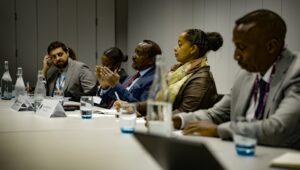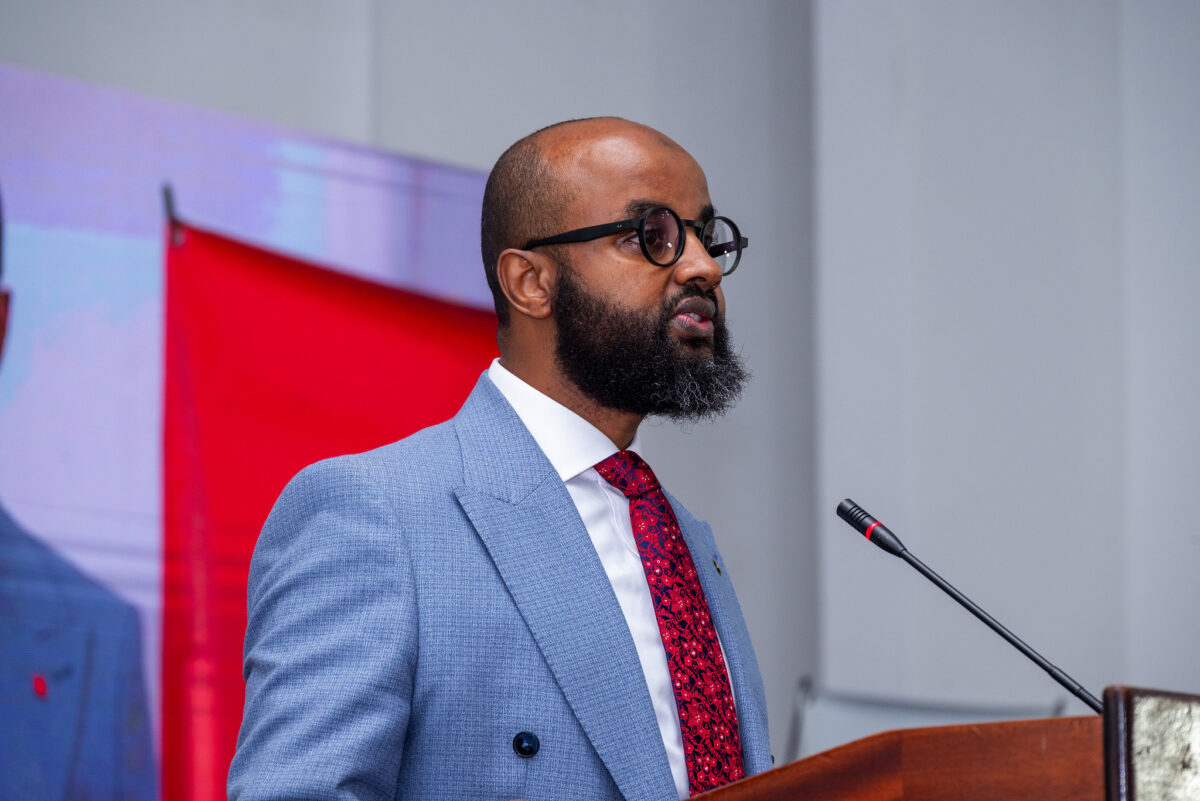
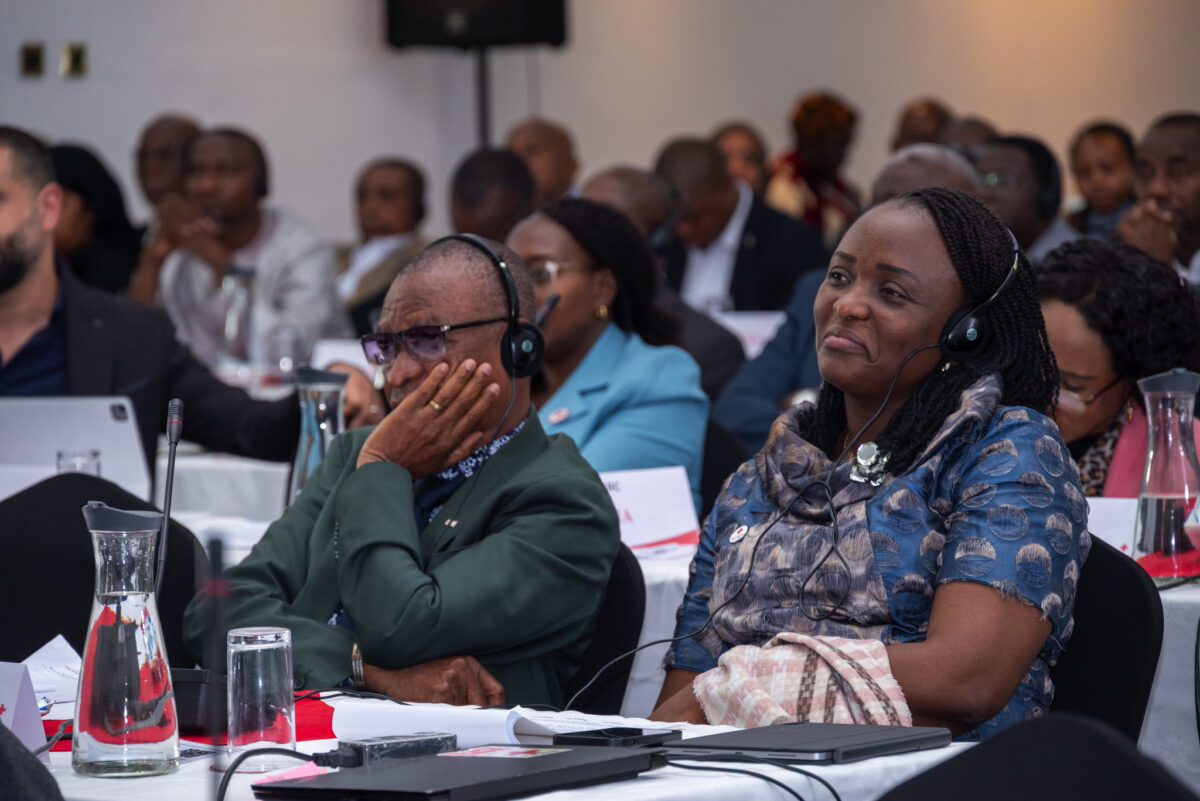
NAIROBI, Kenya — Senior leaders of National Red Cross and Red Crescent Societies from across Africa are meeting in Nairobi for a three-day consultative forum aimed at strengthening collaboration, leadership and the capacity of the Movement to deliver humanitarian action closer to the communities it serves.
The Africa National RCRC Societies Consultative Meeting of Presidents and Secretaries General brings together National Society leadership for strategic dialogue on some of the issues increasingly shaping humanitarian work across the continent — from localisation and domestic resource mobilisation to leadership, partnerships and institutional sustainability.
The meeting began on Monday with discussions on localisation, setting the tone for conversations that will continue through Day 2 and Day 3.
At stake is a question that goes beyond the Red Cross and Red Crescent Movement: how can humanitarian systems become more locally led, financially sustainable and capable of responding to increasingly complex crises?
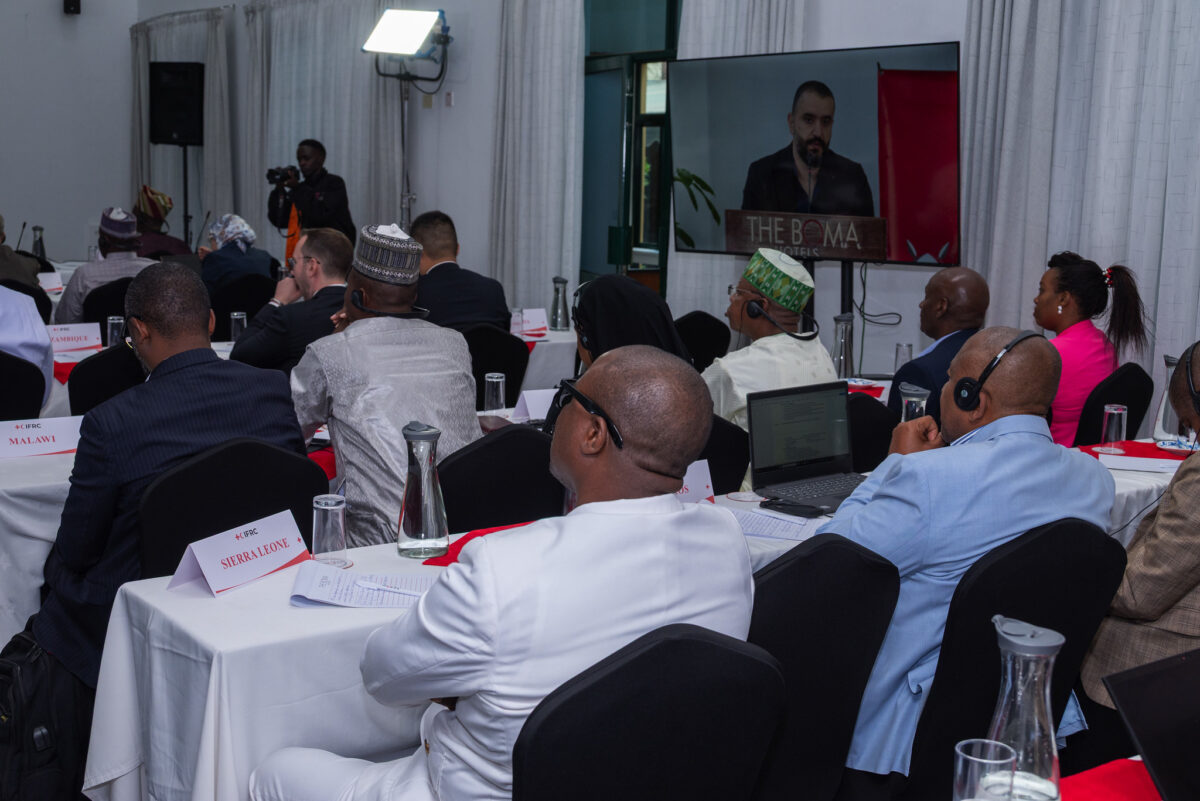
The International Federation of Red Cross and Red Crescent Societies (IFRC) says its network comprises 191 National Red Cross and Red Crescent Societies, which are the backbone of the Movement and have community-based volunteers and staff operating in countries around the world. National Societies are often among the first responders when disasters strike and can remain in affected communities long after other actors have left.
That local presence is at the centre of the localisation debate.
The IFRC describes its approach as humanitarian action that should be “as local as possible, as international as necessary,” with National Societies leading preparedness, response and recovery while receiving international support when needs exceed local capacity.
Why localisation matters for Africa
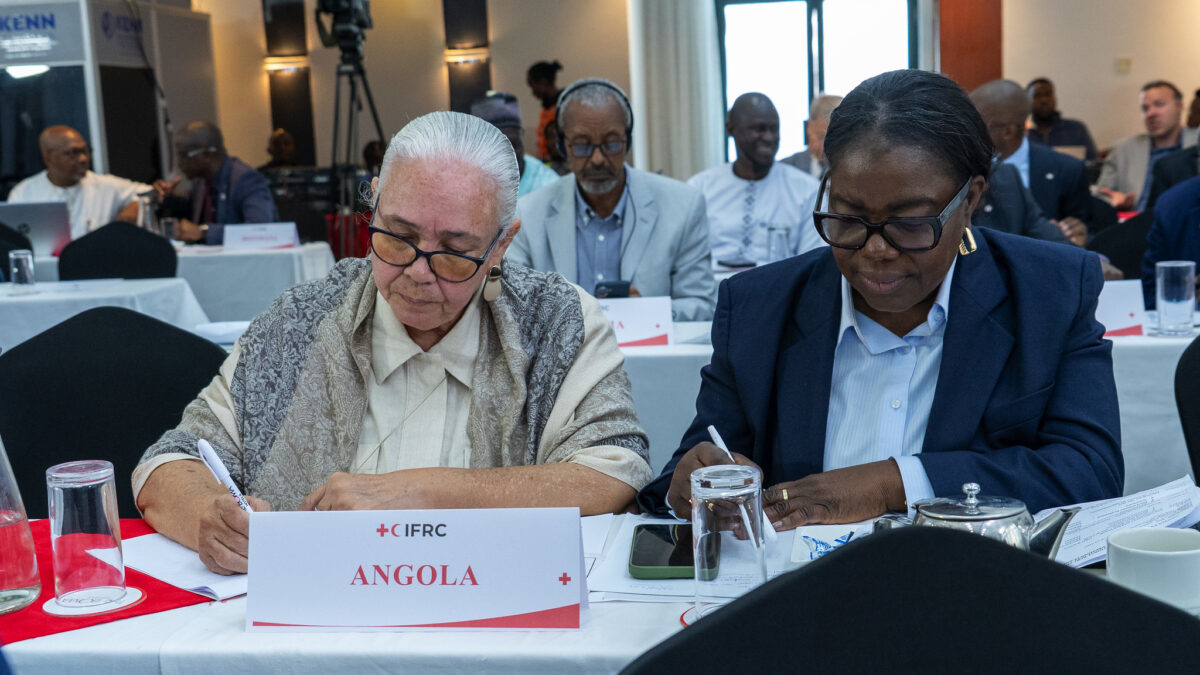
For African National Societies, localisation is not simply an international development concept. It is closely linked to who makes decisions, who controls resources and who is best placed to understand the needs of communities during crises.
The IFRC says local actors are often the first to respond to disasters and can have access to areas that international organisations cannot. Their permanent presence also allows them to connect emergency response with longer-term preparedness, resilience and recovery.
The Nairobi meeting therefore provides an opportunity for National Society leaders to consider how localisation commitments can translate into stronger organisations and more effective humanitarian action.
The issue is particularly relevant as African communities face overlapping pressures from disasters, climate change, displacement, health emergencies and other humanitarian crises.
The IFRC’s recent work in Africa illustrates the scale and complexity of these challenges. Its “Forced to Flee in a Changing Climate” report documents 30 case studies from 15 African National Societies working on climate adaptation, disaster-risk reduction, early action, assistance, protection and resilient recovery.
Day 2: The difficult conversation about money
The focus on Day 2 shifts towards domestic financial resource mobilisation, putting financial sustainability at the centre of the leadership conversation.
For National Societies, sustainability is not simply about raising more money. The IFRC’s Financial Sustainability Framework identifies the ability to attract and manage resources, manage financial risks and opportunities, and maintain strong organisational structures and services as important elements of financial sustainability.
That makes the Nairobi discussions particularly significant.
National Societies are expected to be able to respond rapidly when emergencies occur, maintain volunteers and staff, invest in preparedness and continue serving communities between major disasters. Doing that requires reliable institutional capacity and resources.
The Day 2 programme will bring National Society leaders and representatives of the Japanese Red Cross into a discussion on domestic resource mobilisation, with the aim of sharing experience, identifying approaches that can work in different contexts and developing practical roadmaps towards greater financial sustainability.
The discussion will then move to transformative leadership, including leadership development and women and youth leadership initiatives.
The emphasis reflects a broader recognition within the Movement that strong humanitarian organisations require more than emergency-response capacity. They also need effective governance, accountable leadership, capable staff and volunteers, and systems that can withstand changing circumstances.
The IFRC’s National Society Development policy describes strong, independent, self-sustained and well-functioning National Societies as critical to delivering life-saving humanitarian action and strengthening community resilience.
Day 3: From Nairobi to the global humanitarian agenda
Day 3 will take the conversation beyond the immediate priorities of African National Societies to preparations for the wider International Red Cross and Red Crescent Movement agenda.
Participants are scheduled to discuss the 2026 IFRC General Assembly and Council of Delegates, providing an opportunity for National Society leaders to consider priorities and preparations ahead of the major Movement meetings.
The programme will also return to the PAC 10 Nairobi Plan of Action, including updates on indicators and commitments and discussions around PAC 11.
One of the themes expected to dominate the final discussions is the challenge of “Doing More With Less.”
That challenge is increasingly relevant as humanitarian needs grow while organisations face pressure to make scarce resources go further.
The IFRC’s 2025 Annual Report highlights the importance of supporting the 191 National Societies to deliver locally led humanitarian action while building community resilience in the face of escalating global challenges.
The bigger picture
The significance of the Nairobi meeting lies in the connection between the issues on its agenda.
Localisation needs capable local organisations. Capable organisations need sustainable financing. Sustainable organisations need strong leadership and effective partnerships.
The three-day meeting brings these questions into the same conversation.
For African National Societies, the objective is ultimately practical: stronger institutions that can anticipate crises, respond quickly and remain connected to communities before, during and after emergencies.
The IFRC already recognises National Society development as a central part of strengthening local humanitarian action, with its work covering areas including financial sustainability, governance, digital transformation, youth engagement and organisational capacity.
The Nairobi meeting therefore comes at an important moment for the continent’s humanitarian network.
Its success will not be measured simply by the quality of discussions held over three days, but by what leaders are able to take away, implement and sustain when they return to their respective National Societies.
For the communities that rely on the Red Cross and Red Crescent in times of crisis, that is where the real test begins.
The event details and programme references in this story are based on the official meeting information provided to Switch Media. The wider humanitarian context has been supplemented with information from the IFRC.
About the Author