Sixteen years after Kenya ushered in a new constitutional order, August 27 has become a day for the country to pause and reflect on what has changed and what remains unfinished.
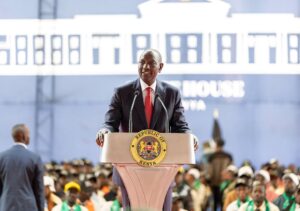
Kenya is marking Katiba Day on Thursday, commemorating the promulgation of the Constitution of Kenya, 2010. President William Ruto formally designated August 27 as an annual Katiba Day in 2025. The day remains a working day rather than a public holiday.
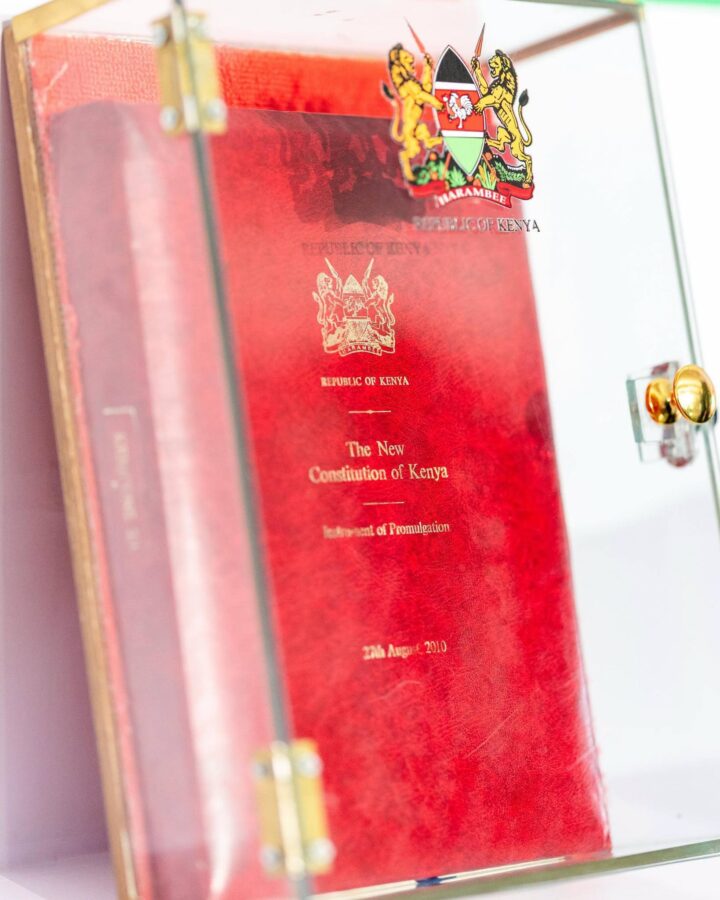
The Constitution came into force on August 27, 2010, following a referendum earlier that month in which about 67 per cent of voters backed the proposed document. It replaced the previous constitutional order and introduced sweeping changes to how Kenya is governed.

This is your strongest main image because it connects the 2010 Constitution to today’s Katiba Day. A current image from the 2026 event is available in today’s coverage.
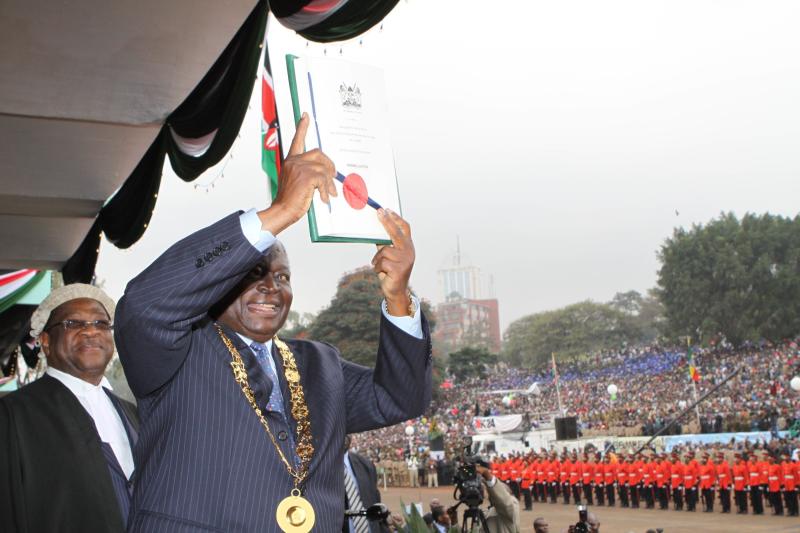
The promulgation ceremony, presided over by then-President Mwai Kibaki at Nairobi’s Uhuru Park, marked the culmination of years of demands for political and constitutional reform.
Why the 2010 Constitution Mattered
The new Constitution was shaped by a long reform struggle. Calls for greater democracy, stronger limits on executive power and better protection of individual rights had grown over decades.
The political crisis that followed the disputed 2007 presidential election, including widespread post-election violence, added urgency to those reforms.
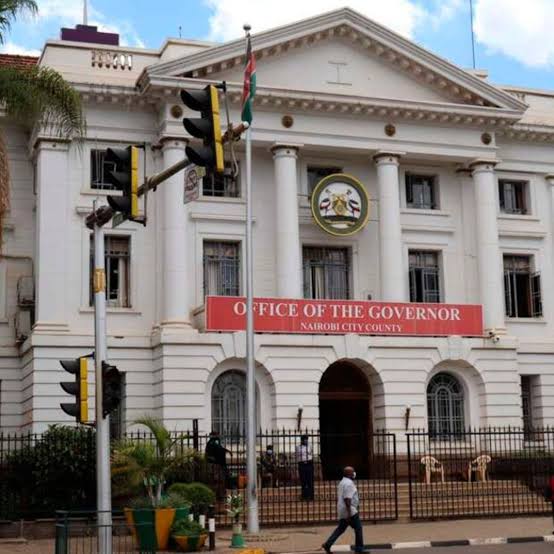
The 2010 Constitution introduced a Bill of Rights that protects fundamental freedoms as well as social and economic rights. It also created a system of devolved government, dividing the country into 47 counties with elected governors and county assemblies.
The aim was to move decision-making and public services closer to citizens while addressing regional inequalities.
The Constitution also strengthened the independence of institutions such as the Judiciary and established a clearer separation of powers between the Executive, Parliament and the courts.
Its principles extend beyond government structures. The document commits the country to values including human dignity, equality, social justice, inclusiveness, integrity and public participation.
A Constitution Still Being Tested
But the anniversary is not only about celebrating achievements.
Sixteen years on, questions remain over how fully the Constitution has been implemented. Issues surrounding accountability, corruption, public participation, access to justice, devolution and the protection of rights continue to shape national debate.
Chief Justice Martha Koome, speaking during the Constitution’s 15th anniversary celebrations in 2025, acknowledged both the progress made and the difficulties that remain.
“Fifteen years later, we can look back with pride at the distance we have travelled,” she said, while also pointing to challenges that continue to stand in the way of fully realising the Constitution’s promise.
The debate is therefore less about whether the Constitution changed Kenya and more about whether its promises are being delivered in everyday life.
Why Katiba Day Is Not a Public Holiday
Katiba Day is different from Kenya’s public holidays. Government offices, schools and other institutions continue operating, although they are expected to organise activities promoting constitutional awareness and civic participation.
President Ruto said the decision reflected concerns raised during the constitution-making process about the number of public holidays. He argued that the day could instead be used for civic engagement while remaining a normal working day.
Kenyan diplomatic missions abroad are also expected to mark the day.
The idea is to make August 27 less about taking a day off and more about understanding the document that sets out the rights, responsibilities and powers of citizens and the state.
From Celebration to Accountability
Katiba Day was formally introduced in 2025, but Kenyans had long marked the Constitution’s anniversary through civic education, public discussions and other events.
This year’s commemoration comes as the country reaches 16 years under the 2010 constitutional framework.
The anniversary offers an opportunity to look back at the gains made since 2010, while asking a more difficult question: how much of the Constitution’s promise has reached ordinary Kenyans

The Constitution declares that sovereign power belongs to the people.
For many Kenyans, that may be the most important message of Katiba Day that the Constitution is not simply a document kept in government offices or law libraries. Its meaning is ultimately measured by how its rights, freedoms and principles are experienced in everyday life.
About the Author