Residents of Mlolongo spent the weekend on edge after reports that two lions had been seen moving through several neighbourhoods, prompting an intensive search by the Kenya Wildlife Service (KWS).
The reported sightings in Sabaki Sub-location, Machakos County, have raised concern among families living near Nairobi National Park, where wildlife occasionally strays beyond the park’s boundaries.
Police say they received reports that the animals were seen crossing the railway line from the direction of the national park before KWS officers were called in to verify the claims and begin tracking the lions.
“Some people claim they saw two lions crossing the railway line from the Nairobi National Park. We got this information and informed KWS to come and ascertain the same,” Athi River East Sub-county Police Commander Anderson Mbae said.
Local administrators have appealed for calm while urging residents to remain alert and report any sightings without attempting to approach the animals.
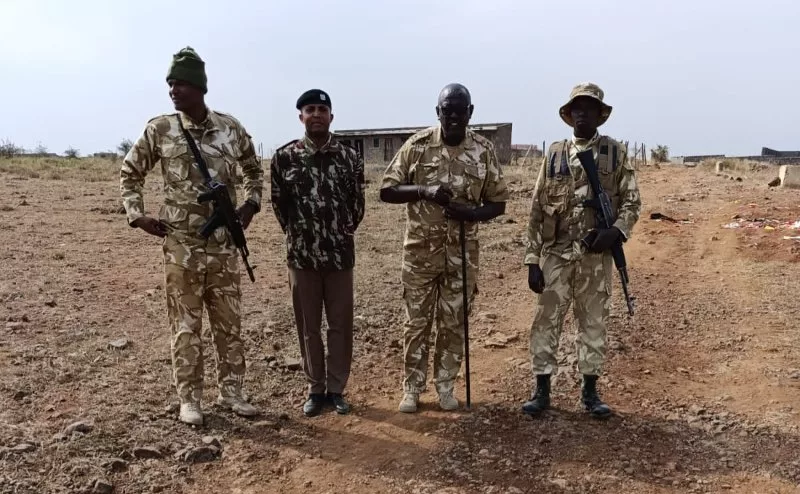
Mlolongo acting chief Soul Muasya said KWS rangers were deployed after residents reported seeing the lions in different parts of Sabaki.
According to Muasya, one group of residents reported spotting the animals behind Kivuli Court in Sabaki Estate on Saturday morning. Others said they had seen what appeared to be the same lions near Deliverance Church in Mavemba village on Friday afternoon.
Additional reports placed the animals in the Suraya, Tupendane and Dumpsite areas, although KWS teams had not confirmed the sightings by Sunday.
“I call on anyone who spots the lions to kindly share with us their locations and movements immediately. I have been coordinating KWS personnel in the area after receiving the reports, but we haven’t seen them ourselves. This could be due to late reporting,” Muasya said.
KWS rangers remained on the ground searching for the animals, with efforts focused on confirming the reports and ensuring public safety.
Wildlife experts have long noted that lions and other large mammals occasionally leave Nairobi National Park through its open southern migration corridor. The park is not completely fenced, allowing wildlife to move between protected land and neighbouring ecosystems. During such incidents, animals can sometimes enter nearby settlements, particularly those bordering the park and the Athi River area.
KWS has repeatedly advised residents living near wildlife habitats to keep children under close supervision, secure livestock at night and avoid approaching or attempting to photograph wild animals. The agency also encourages the public to report sightings immediately so trained rangers can respond.
Where necessary, KWS deploys specialised teams to track, tranquilise and safely return stray animals to protected areas.
As the search continues, authorities have urged residents to remain vigilant while allowing wildlife officers to carry out the operation safely.
About the Author