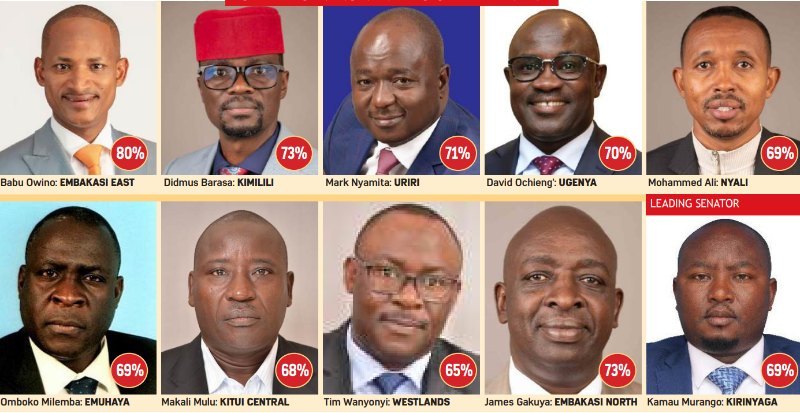
A new nationwide opinion poll has handed several Members of Parliament and senators an early political advantage, placing them among the country’s best-performing legislators just as the race for county governorship’s begins to take shape ahead of the 2027 General Election.
The survey, conducted by research firm Infotrak between January and May 2026, assessed public perceptions of lawmakers across their constitutional duties of representation, legislation and oversight, while also measuring factors such as accessibility, accountability, development record, transparency and stewardship of public resources.
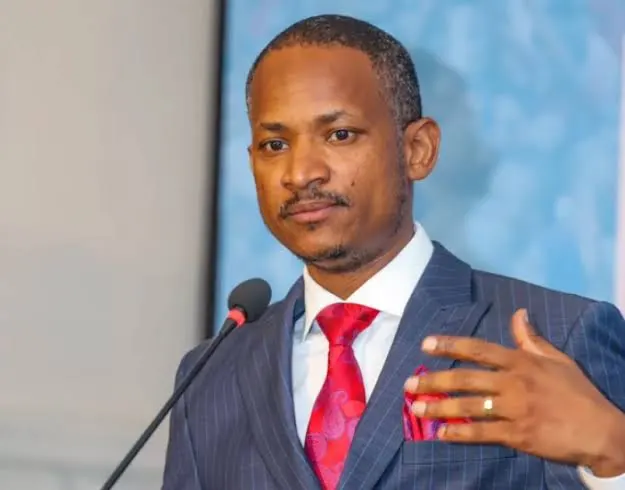
Among Members of Parliament, Embakasi East MP Babu Owino emerged as the highest-rated legislator nationally. The ranking comes as he prepares to challenge Nairobi Governor Johnson Sakaja for the county’s top seat next year.
Several other highly ranked MPs are also seeking governorships. They include Kimilili MP Didmus Barasa in Bungoma, Uriri MP Mark Nyamita in Migori, Nyali MP Mohammed Ali in Mombasa, Ugenya MP David Ochieng’ in Siaya, Tinderet MP Julius Melly in Nandi, Kisumu Woman Representative Ruth Odinga, Kakamega Woman Representative Elsie Muhanda, Emuhaya MP Omboko Milemba, Kitui Central MP Makali Mulu and Kisumu Central MP Joshua Oron.
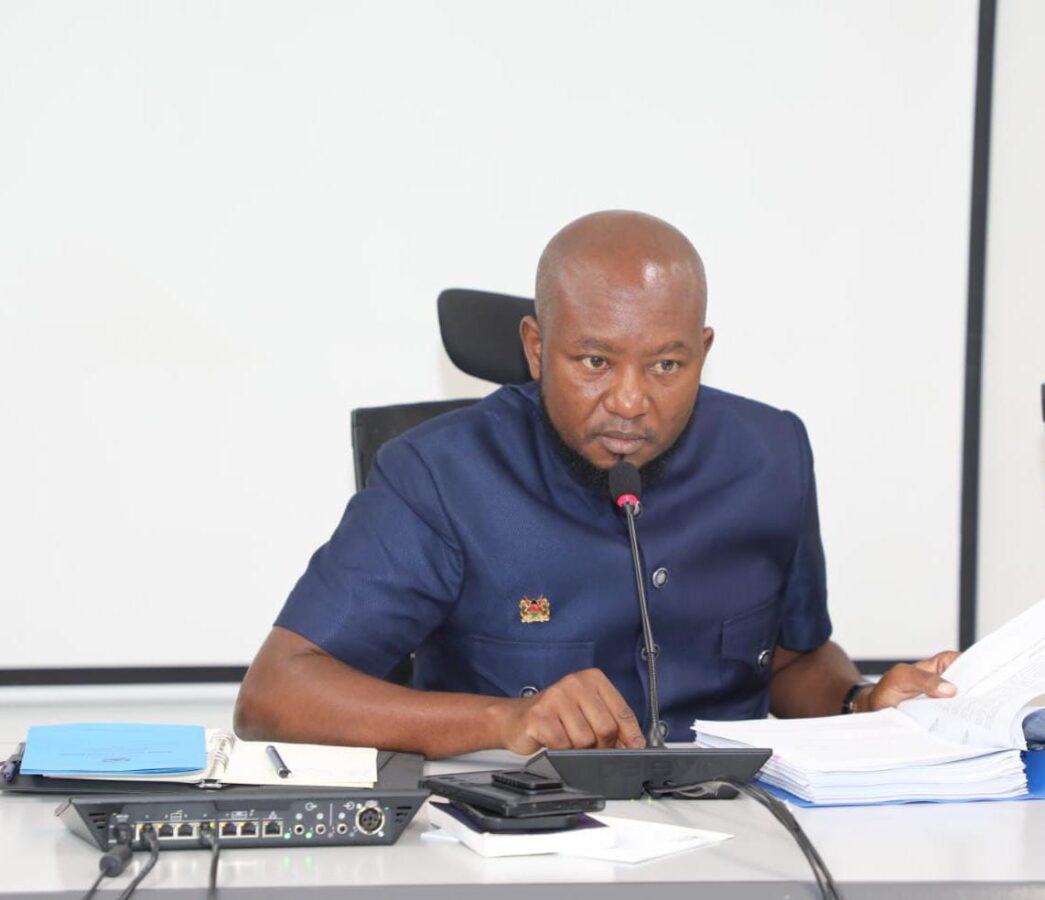
The Senate rankings painted a similar picture. Kirinyaga Senator Kamau Murango topped the list, followed by Nyandarua Senator John Methu and Murang’a Senator Joel Nyutu. Other senators with gubernatorial ambitions who featured among the top performers included Richard Onyonka, Enoch Wambua, Godfrey Osotsi, Boni Khalwale, Tom Ojienda and Fatuma Dullo.
For many of the aspiring governors, the findings provide independent evidence they can point to on the campaign trail as they seek to convince voters that their record in Parliament can translate into effective county leadership.
Infotrak said respondents rated lawmakers on a scale of one to ten, with overall scores reflecting public perceptions of performance. The survey interviewed 87,286 respondents across all 290 constituencies and 1,450 wards using Computer-Assisted Telephone Interviews. The firm said the study was conducted at a 95 per cent confidence level.
In explaining the findings, the report noted that although MPs are constitutionally tasked with legislation, oversight and representation, many Kenyans also judge them by visible development projects linked to the National Government Constituencies Development Fund, including classrooms, bursaries and community facilities.
Even so, analysts caution against reading too much into the rankings.
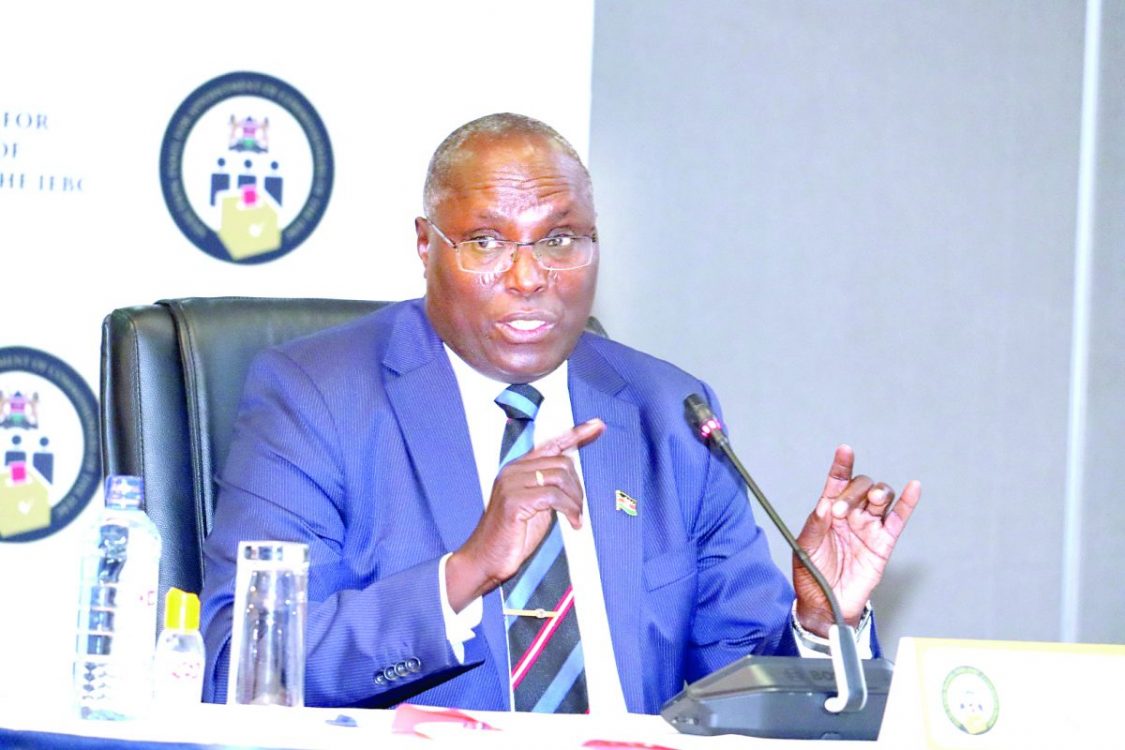
Political scientist Prof Gitile Naituli argued that strong approval ratings in Parliament do not necessarily guarantee victory in a county-wide contest.
“Opinion polls will not help the hopefuls. Parliament has gotten a bad name as a branch of the Executive,” Prof Naituli said.
His remarks reflect a broader reality of Kenyan politics, where gubernatorial elections are often influenced by party machinery, regional alliances, campaign resources and local political dynamics as much as individual performance.
Murango, who topped the Senate rankings, attributed his score to legislative work centred on agriculture and revenue sharing.
“I am ranked at the top because of what I have been doing for my people. I sponsored the Coffee Bill that brought reforms and worked on changes that benefited macadamia farmers,” he said.
He also pointed to his opposition to rice imports aimed at protecting local farmers and his role in pushing for an additional Sh4.4 billion allocation for marginalised counties through the revenue-sharing formula.
The survey also highlighted regional standouts. Majimbo Kalasinga led Western Kenya, Mark Nyamita topped Nyanza, Erastus Nzioka ranked highest in Eastern Kenya, while Ndindi Nyoro and John Kaguchia shared the lead in the Central region. At the Coast, Taveta MP John Bwire emerged as the region’s highest-rated legislator.
With political activity steadily gathering pace across the country, the rankings are likely to feature prominently in campaign messaging over the coming months. Whether they ultimately influence voters remains uncertain, but they offer an early glimpse into how constituents currently assess the performance of their elected leaders.
About the Author