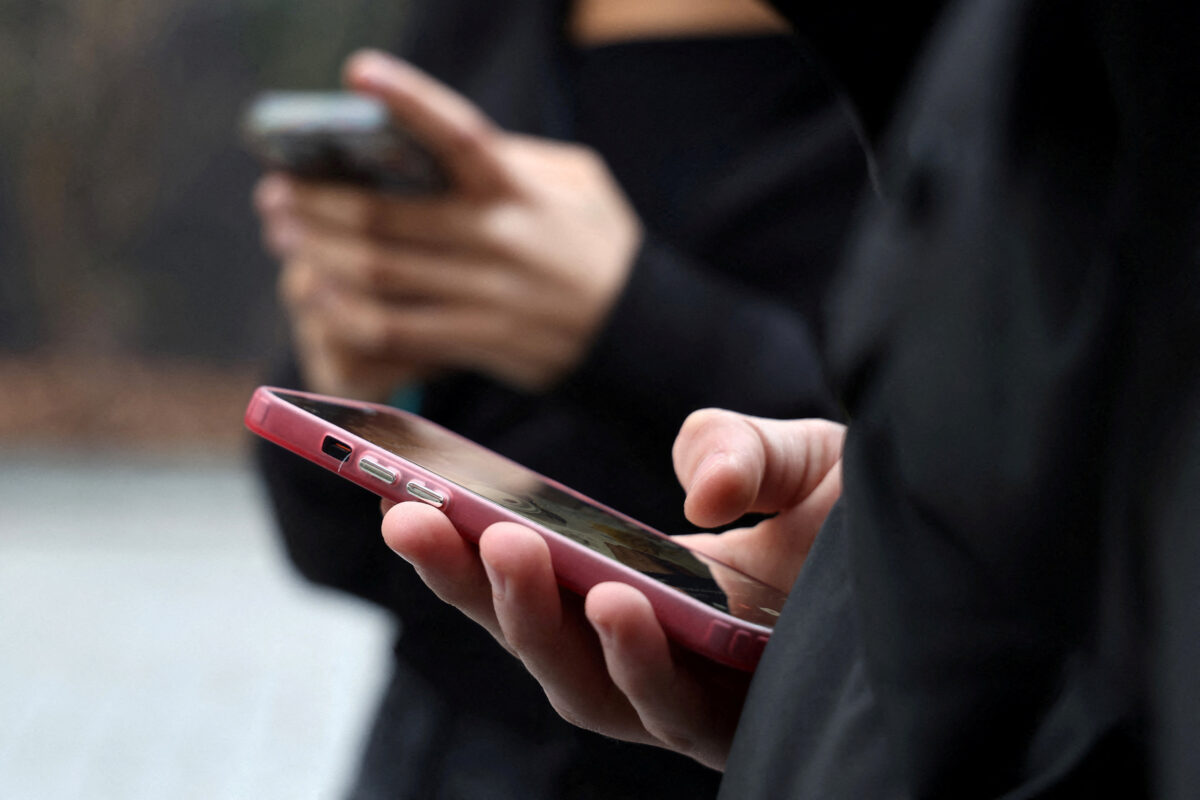
France has become the first country in Europe to approve a nationwide ban preventing children under the age of 15 from accessing social media, marking a major shift in how governments are seeking to protect young people online.
The legislation, passed by both houses of the French Parliament on Tuesday, will require all users to verify their age before opening or keeping a social media account. The restrictions will be introduced in phases, with full enforcement beginning in January 2027.
President Emmanuel Macron welcomed the vote, describing it as a key commitment of his presidency as France responds to growing concerns over the impact of social media on children’s wellbeing.
The law will first take effect in September 2026, when anyone under 15 will be barred from creating new social media accounts. From January 2027, the rule will extend to existing accounts, meaning every user in France will have to prove they are at least 15 years old to continue using social media platforms.
The French government says platforms will be required to use age verification systems approved by the country’s privacy regulator. Officials argue that the technology already exists and can be deployed without compromising users’ personal information.
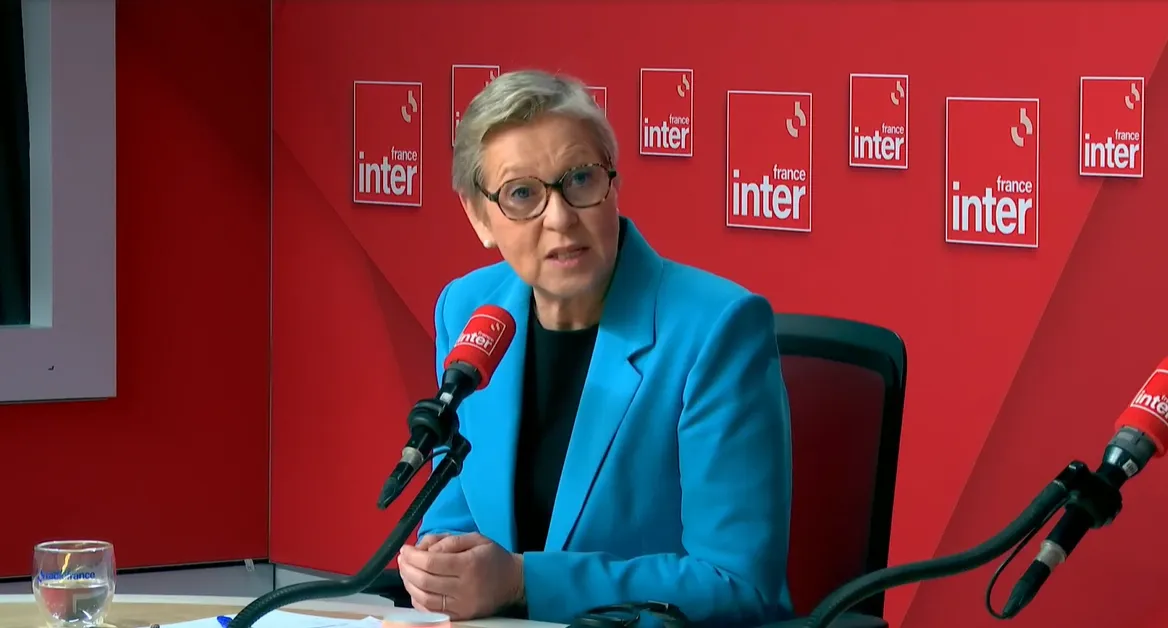
Ahead of the parliamentary vote, Digital Minister Anne Le Hénanff defended the pace of the legislation.
“Age-verification tools already exist,” she said, arguing that there was no reason to delay implementation.
The law, however, has sparked debate among privacy advocates, technology experts and some opposition lawmakers. Critics question whether age verification systems can reliably prevent children from bypassing restrictions while protecting users’ personal data.
Others warn that stricter rules could push young people towards less regulated online spaces, where safeguards may be weaker.
Professor Tama Leaver, an internet studies expert at Curtin University in Australia, said France’s approach may prove more effective than Australia’s because it applies age verification to every user rather than only new accounts.
He also cautioned that broader verification requirements could create new privacy concerns.
Leaver argued that governments should involve young people more directly when designing online safety policies.
“Young people need to be part of this conversation,” he said, suggesting that restrictions work better when developed with teenagers rather than imposed on them.

France follows Australia, which introduced a nationwide ban on social media for children under 16 in late 2025. Early assessments suggest the policy has faced practical challenges. Australia’s eSafety Commission reported earlier this year that many children who had accounts before the ban continued to find ways to access social media.
The French government nonetheless believes its broader verification system will strengthen enforcement.
The move also reflects a wider shift across Europe. Governments and regulators are increasingly exploring stricter limits on children’s access to social media as evidence grows linking excessive screen time and certain online experiences to anxiety, poor mental health and harmful content exposure among young people.
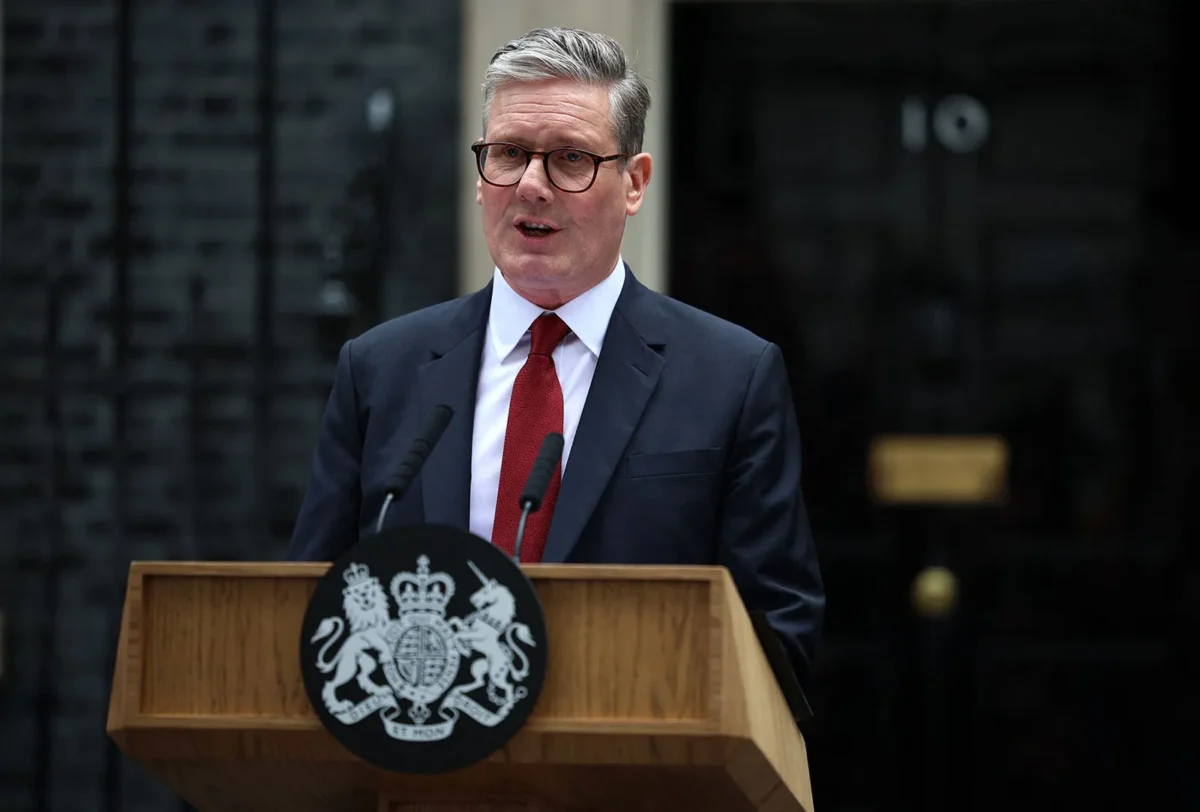
In the United Kingdom, Prime Minister Sir Keir Starmer has announced plans to prohibit under-16s from using social media from January 2027, alongside an optional overnight curfew for 16 and 17-year-olds. At the European Union level, European Commission President Ursula von der Leyen has also backed proposals that would delay children’s access to social media, with legislation expected to be considered in the coming months.
Supporters of France’s new law say it places children’s welfare ahead of commercial interests. Critics argue its success will ultimately depend on whether technology can enforce the rules without undermining privacy or restricting legitimate access.
As governments around the world search for ways to make the internet safer for children, France’s decision is likely to become a closely watched test case.
About the Author