

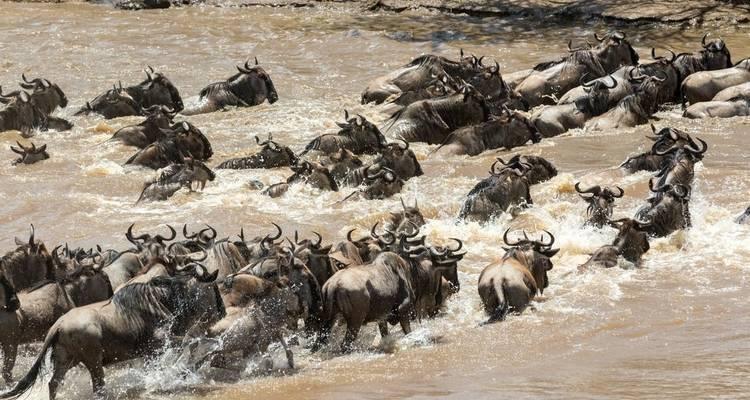
The Environment and Land Court has dismissed a petition seeking to halt the construction and operation of a five-star safari camp in the Maasai Mara National Reserve, dealing a setback to campaigners who argued the project threatens one of Africa’s most important wildlife ecosystems.
In a ruling delivered in Narok, Justice Lucy Gacheru said the case had been brought before the wrong forum. The judge held that the dispute should first have been presented to the National Environment Tribunal, which is mandated to hear challenges relating to environmental licences and approvals.
“The petitioner has not demonstrated that the National Environment Tribunal… was unavailable, ineffective or incapable of addressing the grievances,” Justice Gacheru ruled, adding that the case offended the legal doctrine requiring parties to exhaust available statutory remedies before turning to the courts.
The petition had been filed by the East Africa Tour Guides Drivers Association against the developers of the Ritz-Carlton Maasai Mara Safari Camp, as well as government agencies responsible for approving the project. The association sought orders to stop the camp from operating, advertising or accepting bookings while also asking the court to revoke its licences and permits.
At the heart of the case were claims that the luxury development sits within a sensitive section of the Maasai Mara ecosystem. Petitioners argued that the camp obstructs a long-established route used by the annual wildebeest migration between Kenya’s Maasai Mara and Tanzania’s Serengeti. They also alleged the project fragments wildlife habitat, affects the Sand River’s riparian ecosystem and was approved without adequate public participation or a lawful Environmental Impact Assessment.
The developers strongly rejected those claims. They told the court the project received all the necessary approvals after an Environmental Impact Assessment was completed and a licence issued by the National Environment Management Authority in May 2024. They further argued there is no officially recognised wildlife migration corridor passing through the site and said the camp was designed with ecological buffers and open spaces to minimise its environmental footprint.
Justice Gacheru also noted that the project had already attracted substantial investment and that the relevant regulatory agencies had exercised their legal mandates before granting approvals. On that basis, she declined to intervene.
The ruling comes as the future of tourism development in the Maasai Mara remains fiercely contested. Earlier this week, a separate coalition of environmental and legal organisations filed a fresh case seeking to block additional luxury accommodation projects across the reserve. The groups argue that continued expansion could put increasing pressure on wildlife habitats and the world-famous Great Wildebeest Migration, one of the planet’s largest annual animal movements.
Conservationists have long warned that poorly planned infrastructure inside protected areas risks disrupting animal movements and degrading fragile ecosystems. Developers and tourism operators, however, maintain that well-regulated, low-impact tourism generates vital conservation funding, creates employment and supports local communities.
The latest ruling does not determine whether the environmental concerns raised by the petitioners are valid. Instead, it makes clear that such disputes must first be considered through the specialised environmental appeals process before they can be brought before the court.
About the Author