As Africa arrived at the expanded 2026 FIFA World Cup with 10 teams for the first time, expectations were higher than ever. Morocco’s historic run to the semi-finals in Qatar four years ago had fuelled hopes that another breakthrough was within reach.
In many ways, those hopes looked justified.
Nine of Africa’s 10 representatives progressed beyond the group stage, underlining the continent’s growing strength on football’s biggest stage. Yet when the knockout rounds began, a troubling pattern emerged. Teams that controlled matches for long spells found themselves heading home after conceding decisive goals late in the game.
It has become one of the defining themes of Africa’s campaign.
South Africa were the first to suffer. Bafana Bafana matched co-hosts Canada throughout their Round of 32 contest and appeared set for extra time before Stephen Eustáquio struck in stoppage time to seal a dramatic victory for the hosts.
The result was particularly painful given South Africa’s performance. They enjoyed more possession, completed more passes with greater accuracy and committed fewer fouls than Canada. None of it was enough.
Two days later, Ivory Coast endured a similar fate against Norway.
After Antonio Nusa gave Norway the lead before half-time, Amad Diallo restored parity with a superb individual effort in the 74th minute. The Elephants looked capable of forcing extra time, only for Erling Haaland to capitalise on a defensive lapse four minutes from time.
The statistics again favoured the African side. Ivory Coast created more chances, registered more shots on target, dominated possession and won significantly more corners. But efficiency in the closing stages proved decisive.
The Democratic Republic of Congo then joined the list of near misses.
Brian Cipenga’s early goal handed the Leopards the perfect start against England, but Harry Kane scored twice in the final 15 minutes to turn the match around.
The numbers painted a familiar picture. DR Congo produced more shots, more possession, higher passing accuracy and greater attacking intent. England, however, punished the few opportunities they created.
Perhaps the most painful exit came courtesy of Senegal.
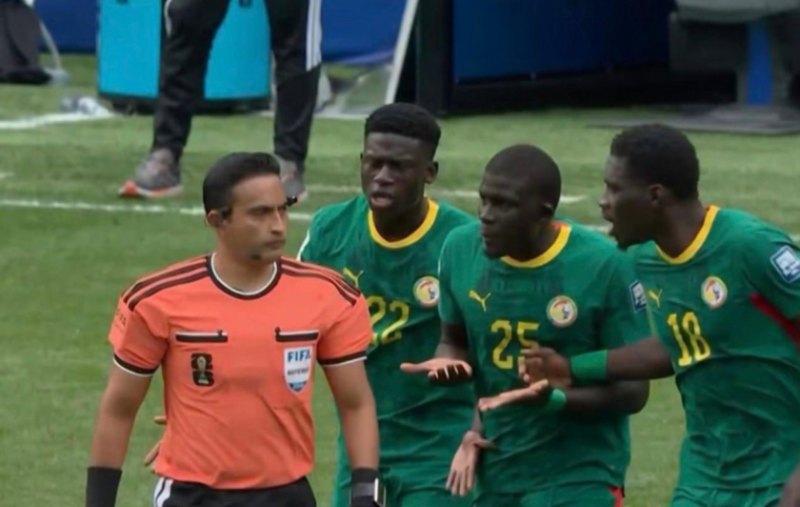
The Lions of Teranga appeared to have one foot in the Round of 16 after opening a 2-0 lead against Belgium and controlling the contest for much of the evening. But Romelu Lukaku reduced the deficit in the 86th minute before Youri Tielemans levelled three minutes later.
Senegal appealed for a VAR review after claiming one of their defenders had been pushed before Belgium’s equaliser. The appeals were dismissed.
The drama continued into extra time, where Belgium were awarded a late penalty. Tielemans converted from the spot in the 120th minute to complete a remarkable comeback and end Senegal’s tournament.
The decision reignited debate over officiating.
One supporter wrote: “Incredible to get robbed like that! He never whistles a penalty against a big team.”
Others argued the responsibility lay elsewhere.
“No need to blame the ref. They were leading 2-0 for 85 minutes and let it slip. Only themselves to blame,” another fan said.
A third supporter questioned the video review process, writing: “It’s done. Senegal eliminated after extra time. Bravo to the video refereeing and to the blind person who was in charge of it.”
Another fan focused on Senegal’s defensive collapse.
“Senegal was better throughout the entire match. But those last five minutes, it’s like they stopped defending. I don’t know, I’m confused. I was rooting for them.”
The contrasting reactions reflect a wider debate surrounding Africa’s campaign.
Questions over refereeing will continue, particularly in tightly contested knockout matches where every decision is magnified. But the results also point to a recurring football problem: the inability to manage games once in winning positions.
Across multiple fixtures, African sides controlled possession, created more chances and dictated the tempo. Yet concentration faded when it mattered most.
With the tournament entering its decisive stages, the continent has already demonstrated that it possesses the quality to compete with football’s traditional powers.
Whether Africa can convert that promise into deeper World Cup runs may depend less on talent and more on the ability to see matches through until the final whistle.
About the Author