A ceasefire agreement between the United States and Iran has been signed, offering a rare opening for peace after months of conflict.
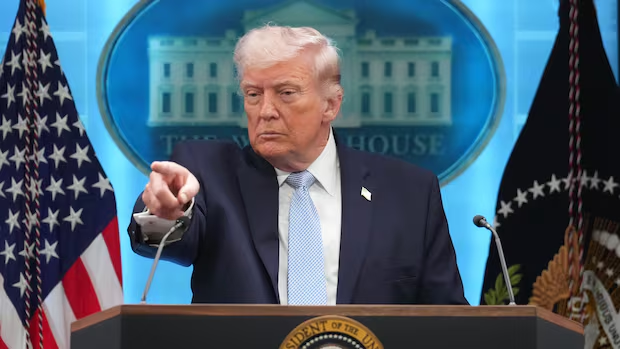
Yet hopes for stability were tempered on Wednesday when President Donald Trump warned that military action could resume if Tehran failed to honour its commitments.
The agreement was signed by Trump and Iranian President Masoud Pezeshkian. It marks one of the most significant diplomatic understandings between Washington and Tehran since Iran’s 1979 Islamic Revolution.
Fragile Peace Takes Shape
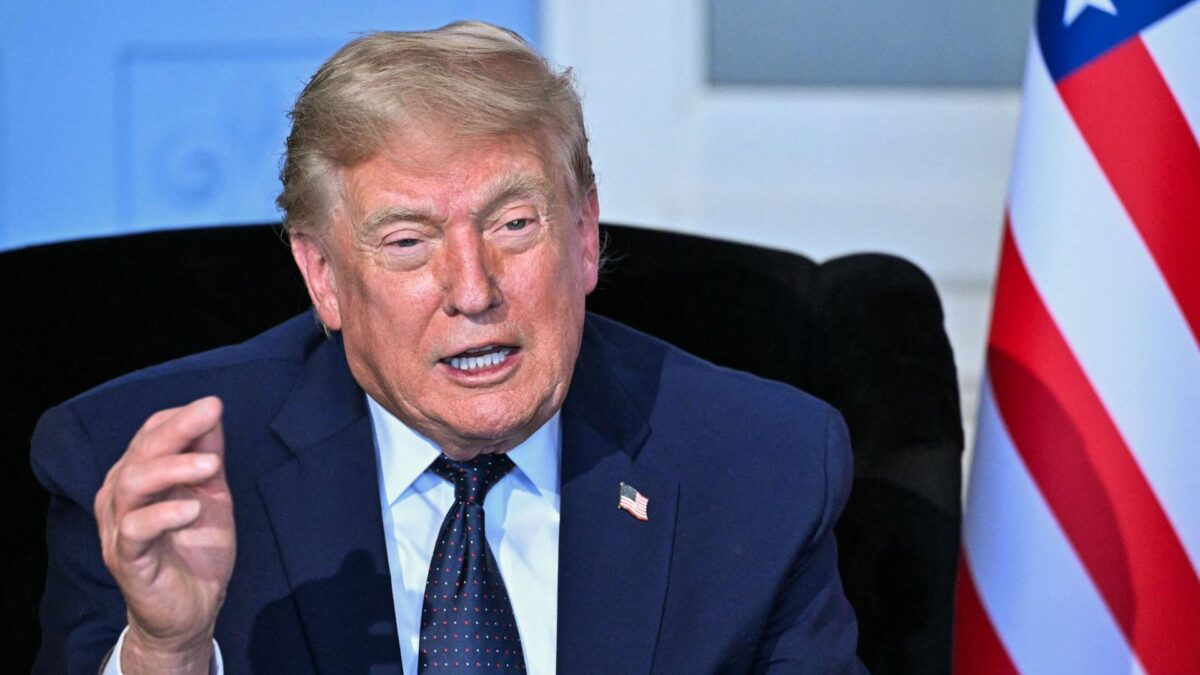
The deal was announced as world leaders gathered in France for the G7 summit.
Speaking to reporters, Trump made clear that the ceasefire would be closely watched.
“We’re going to bomb the hell out of them if they violate the agreement,” he said. “I don’t want them to. I want them to honour the agreement.”
A 60-day negotiating period has been established. During that time, both sides are expected to work towards a permanent settlement.
Despite the warning, a more conciliatory tone was also adopted by the US president.
“I want peace,” Trump said, expressing hope that tensions across the Middle East could ease and that energy prices might fall.
Landmark Agreement Revealed
Images released by Iranian authorities showed the signed memorandum. It is believed to be the first agreement personally endorsed by both a US and Iranian president since the founding of the Islamic Republic.
The document extends an earlier ceasefire and calls for an immediate halt to hostilities across multiple fronts.
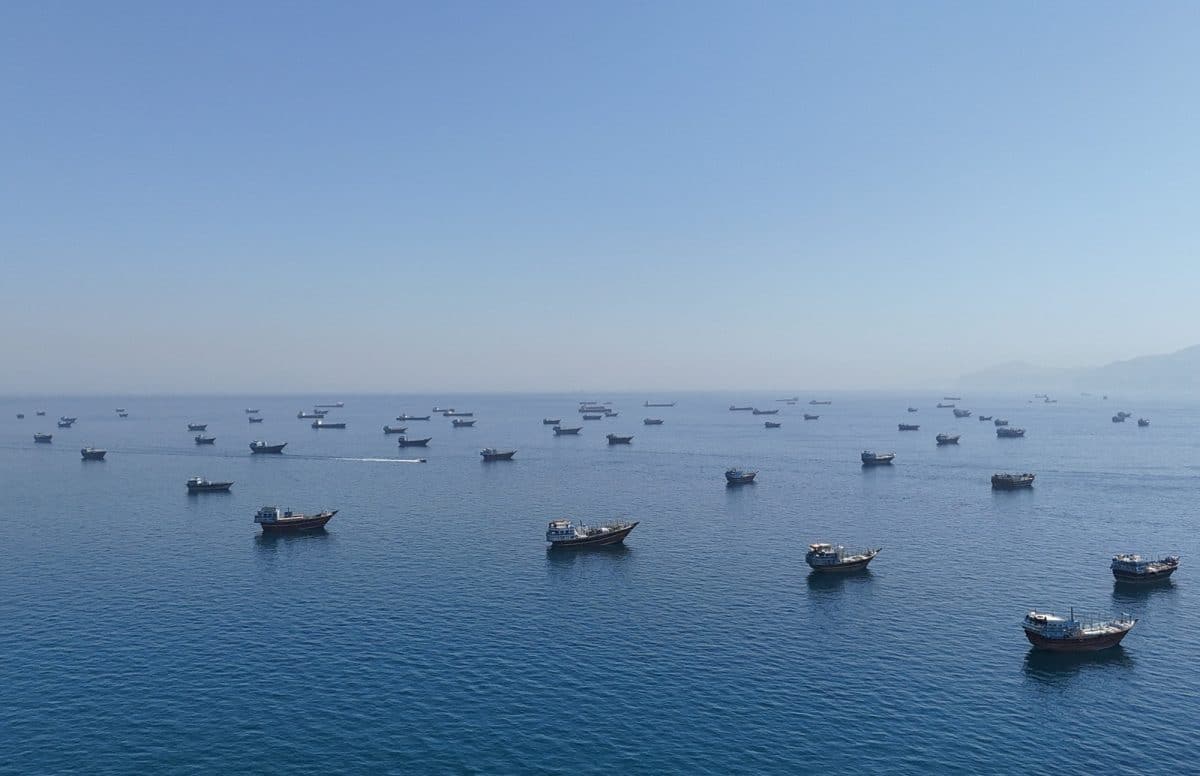
Maritime traffic through the Strait of Hormuz is to resume fully. Restrictions affecting Iranian ports are expected to be lifted. Frozen Iranian assets are also set to be released.
A reconstruction fund valued at $300 billion has been included to support recovery efforts inside Iran.
Iran Claims Diplomatic Victory
Iranian officials presented the agreement as proof that negotiations had delivered more than warfare.
“Everything we sought through military action was achieved many times over through talks,” Mohammad Baqer Qalibaf, Iran’s lead negotiator, told state television.
Iran also reaffirmed that nuclear weapons would not be pursued. International monitoring of enriched uranium stockpiles is expected to continue under the supervision of the International Atomic Energy Agency.
However, Tehran has not agreed to surrender its uranium stockpile abroad, a demand previously raised by Washington.
Oil Markets Respond
Financial markets reacted quickly.
Oil prices fell after expectations grew that the Strait of Hormuz, one of the world’s most important shipping routes, would remain open.
Later, prices recovered some losses after Trump’s renewed threat of military action.
Analysts said investors remain uncertain about whether the ceasefire can hold.
Questions Over War Goals
The agreement has also raised questions about what was achieved through the conflict.
Several objectives outlined by Trump before military operations began remain unmet.
Iran’s government remains in power. Its missile programme remains intact. Support for regional allies, including Hezbollah in Lebanon, has not ended.
Trump also appeared to soften his previous position on Iranian missiles.
Earlier this year, he pledged to eliminate Iran’s missile capabilities. On Wednesday, he struck a different tone.
“If other countries have them, it’s a little bit unfair for them not to have some,” he told reporters in Paris.
G7 Leaders Welcome Progress
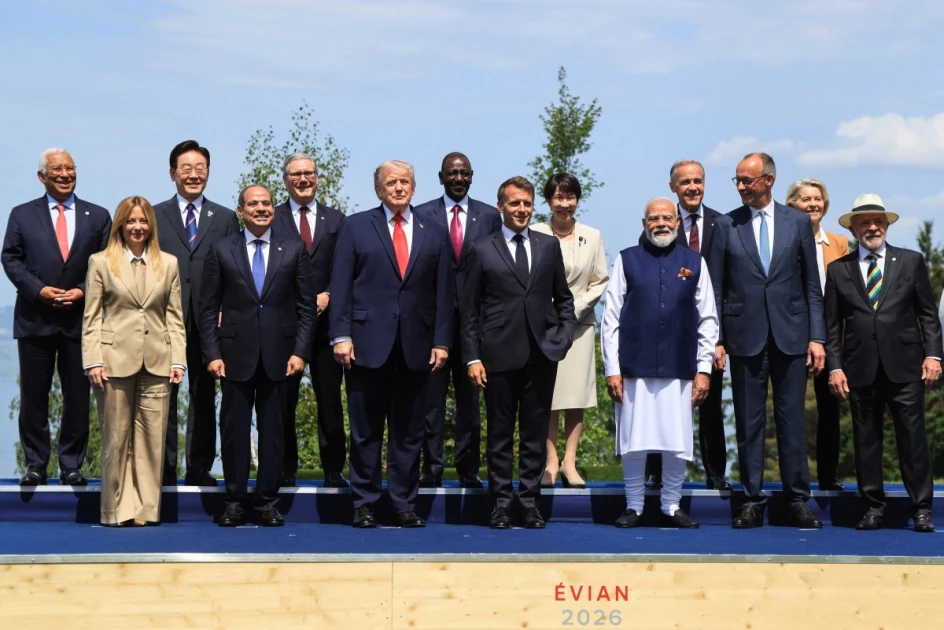
The agreement was broadly welcomed by leaders attending the G7 summit.
France, Germany, Britain, Japan, Italy, Canada and the United States issued a joint statement supporting efforts to reduce tensions across the region.
Attention has also turned to Lebanon, where violence between Israel and Hezbollah has continued despite ceasefire provisions.
Israeli forces have maintained military operations in parts of southern Lebanon. Hezbollah-linked attacks have also been reported.
Trump and Netanyahu Diverge
Differences between Trump and Israeli Prime Minister Benjamin Netanyahu were also highlighted.
The US president suggested that a less aggressive approach should be taken in Lebanon.
“Netanyahu happens to be a good man, gets a little excited sometimes,” Trump said.
“I say you can do a little softer touch.”
His remarks reflected ongoing disagreements over how the conflict in Lebanon should be handled.
For now, a ceasefire has been secured. But with threats still being exchanged and fighting yet to fully stop on every front, the path to lasting peace remains uncertain.
About the Author