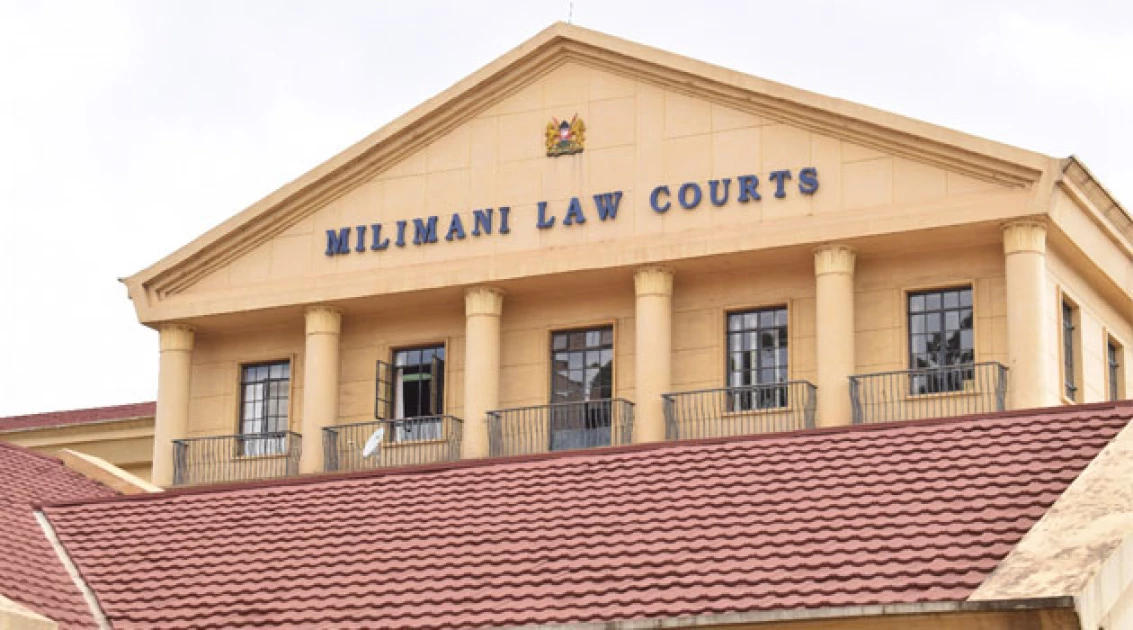
A fresh legal challenge has been lodged at the High Court in a bid to stop the implementation of the National Transport and Safety Authority’s (NTSA) new vehicle inspection rules, adding to growing opposition ahead of their planned rollout on 1 July.
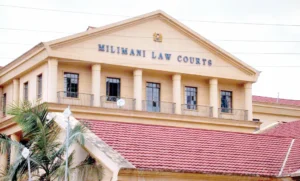
The petition, filed by Sheria Mtaani through advocate Shadrack Wambui, asks the Constitutional and Human Rights Division of the High Court to suspend key provisions of the traffic (Motor Vehicle Inspection) rules, 2026, arguing that they violate the Constitution and were introduced without adequate public participation.
If implemented, the regulations will require privately owned vehicles that are more than four years old to undergo mandatory annual inspections.
Wambui argues that the new rules would immediately affect millions of motorists across the country.
“The new regulations will immediately expose millions of Kenyan motorists to mandatory inspection requirements, substantial financial charges, criminal penalties and the risk of losing their vehicles through de-registration,” he says in court filings.

According to the petition, Kenya’s vehicle fleet is largely made up of imported second-hand vehicles, meaning a significant proportion of motorists would fall within the new inspection regime.
The case also questions the financial implications of the regulations. Wambui argues that motorists would be required to pay booking fees to NTSA in addition to inspection charges, creating a system expected to generate billions of shillings each year.
He contends that the authorities have not explained how the money collected would be managed.
“Implementation of the impugned regime is projected to generate billions annually from Kenyan motorists. Despite the magnitude of these collections, the respondents have not disclosed the legal and financial scheme governing the receipt, custody, management and ultimate application of these funds,” the petition states.
The petition further argues that the government failed to carry out meaningful public participation or prepare a Regulatory Impact Statement before introducing the rules, as required under the Statutory Instruments Act, 2013.
It also challenges the decision to subject vehicles to inspection solely based on age, saying this overlooks other factors such as maintenance history, mileage and overall condition.
“It is irrational to impose a mandatory inspection obligation triggered by chronological age alone without regard to the actual condition of the vehicle,” Wambui argues.
Another contested provision allows inspectors to declare a vehicle unroadworthy, potentially leading to its permanent de-registration. The petition claims this could happen without prior notice, an opportunity to be heard or a clear avenue for appeal.
The suit also disputes a provision that criminalises attempts to “circumvent” the regulations, arguing that the wording is too broad and could expose motorists to arbitrary prosecution.
In addition, the petition claims the four-year inspection threshold disproportionately affects lower and middle-income Kenyans, who are more likely to own older vehicles.
The application also refers to a public notice issued by NTSA between 26 and 28 June, directing traffic police not to enforce the inspection requirement for private vehicles pending further communication. Wambui says the notice raises questions about the readiness of the new framework.
“That public notice is a contemporaneous admission by the respondents themselves that the regime is not presently fit for enforcement,” the court papers state.
The petitioner is seeking conservatory orders to suspend enforcement of the contested provisions before they take effect on 1 July, arguing that once the rules are implemented, motorists would immediately face obligations and penalties that may be difficult to reverse if the court later finds the regulations unconstitutional.
The High Court is expected to determine whether the rules should be temporarily suspended while the constitutional challenge is heard. The case comes as debate continues over how best to improve road safety while ensuring regulatory measures comply with constitutional and legal requirements.
About the Author