
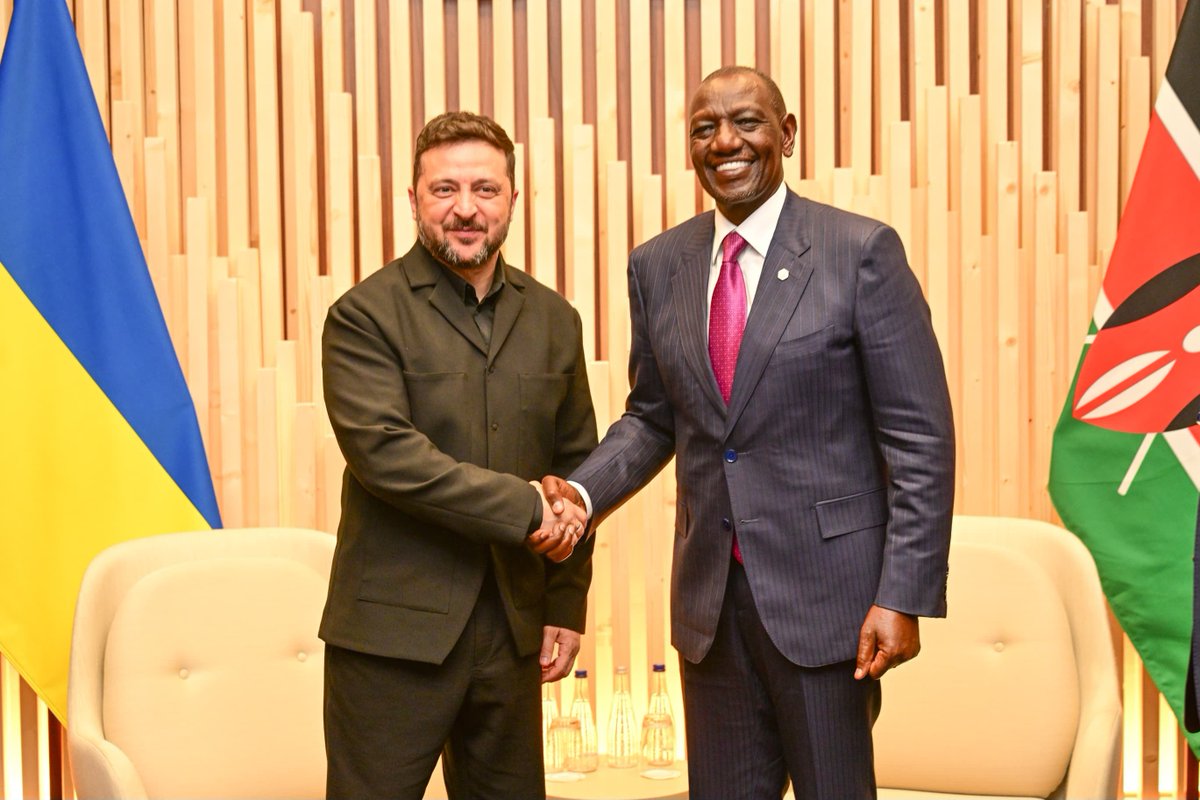
President William Ruto and Ukraine’s Volodymyr Zelensky met on the margins of the G7 Summit this week, agreeing to deepen cooperation between Nairobi and Kyiv in areas ranging from agriculture and technology to education and investment.
The meeting, held in Évian, France, came as both countries seek to widen their economic and diplomatic reach amid shifting global alliances. For Kenya, the talks underscored its balancing act between development partnerships and its growing voice in international diplomacy. For Ukraine, they offered another avenue to strengthen ties with partners beyond Europe as it continues to navigate the ongoing war with Russia.
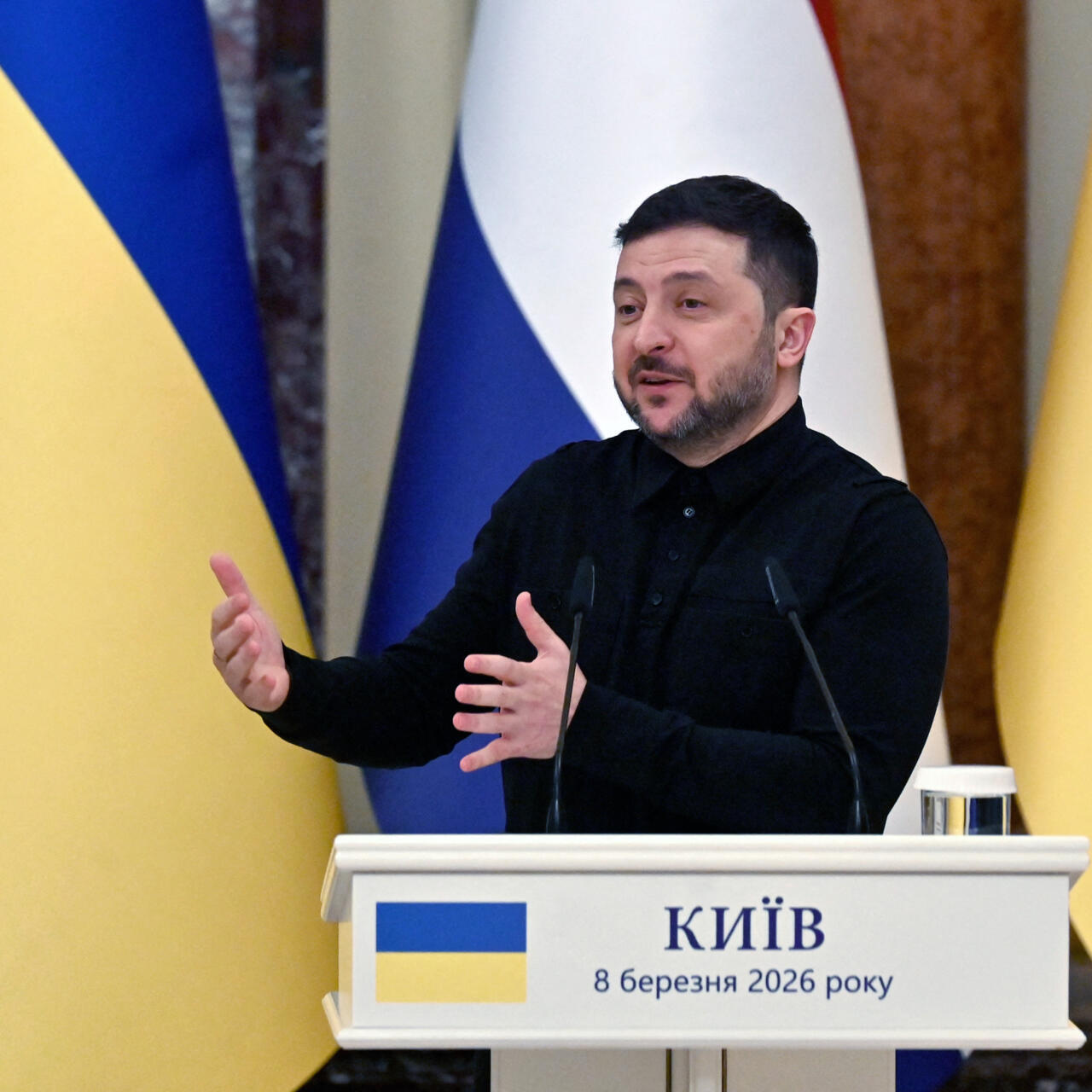
Zelensky said Ukraine was ready to share expertise and pursue joint projects with Kenya. In remarks released after the meeting, he said the discussions covered “high-tech cooperation in various sectors: attracting investments, agriculture and education.”
“We are ready to share our experience with Kenya and implement joint projects,” he said.
According to both governments, officials from the two sides will now work through the technical details of the proposed cooperation, including areas where Ukrainian expertise could support Kenyan development goals.
President Ruto, for his part, reiterated Kenya’s support for diplomatic efforts to end the war in Ukraine and stressed the importance of international law in resolving global conflicts.
“Kenya supports efforts to advance a peaceful resolution to the Russia–Ukraine conflict through dialogue, diplomacy and respect for the principles of the United Nations Charter,” he said.

Beyond geopolitics, the leaders also focused on practical economic cooperation. Among the proposals discussed was a plan to establish a grain distribution hub at the Port of Mombasa. The facility, if realised, would handle Ukrainian grain shipments destined for East Africa, a region frequently hit by food supply shocks linked to climate change and global price volatility.
Officials familiar with the talks said the idea is aimed at improving regional food availability and stabilising supply chains across the Horn of Africa and beyond.
While no formal agreement was signed, both sides described the discussions as constructive and agreed to keep working-level teams engaged in shaping future cooperation.
About the Author