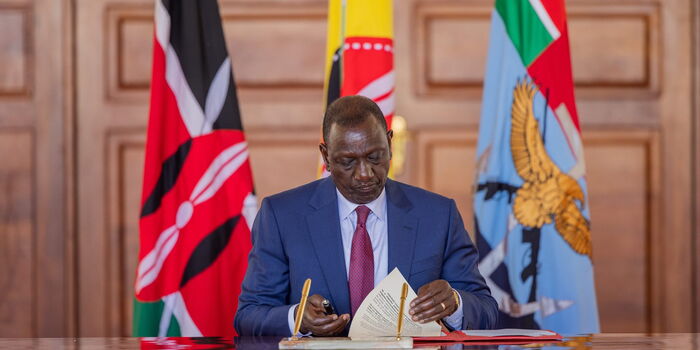
President William Ruto has announced plans to remove income tax for low-paid workers, in what could become one of the most significant shifts in Kenya’s payroll system in years.
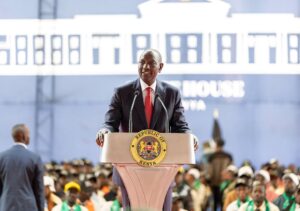
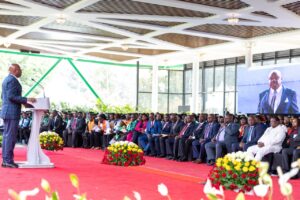
Speaking in Nairobi during the National Prayer Breakfast on Thursday, the President said he had instructed the Treasury to prepare proposals that would exempt employees earning up to Ksh30,000 a month from Pay As You Earn (PAYE) deductions. If approved by Parliament, the change would raise the current threshold of Ksh24,000.
“I told the Treasury that it is time to look at how we can slow down, especially for the low-income earners, and remove some taxes from them,” President Ruto said.
Under the proposal, workers in the lower income bracket would stop paying the 10 per cent PAYE currently applied once earnings exceed Ksh24,000. The new plan would extend relief to a wider group of salaried Kenyans.
The proposal now rests with National Treasury, which is expected to draft formal amendments before they are presented to Parliament. The government estimates the move could leave a revenue gap of about Ksh40 billion.
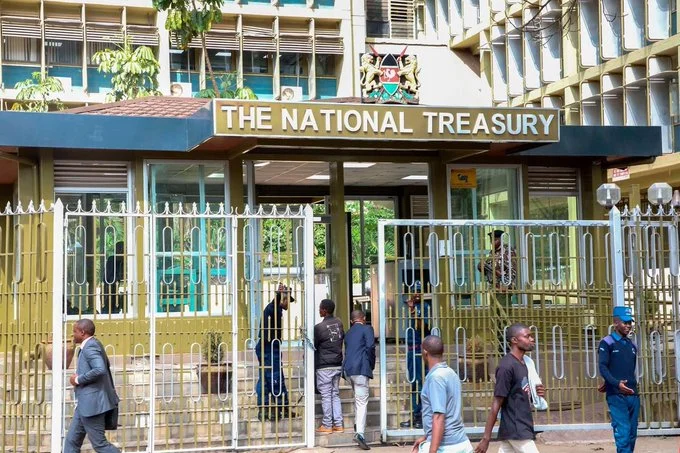
Still, President Ruto argued the cost was necessary to ease pressure on households facing rising living expenses. He said the administration was exploring alternative ways to raise revenue without overburdening low-income earners.
“We are saying they will not pay anymore,” he added, referring to those in the revised threshold.
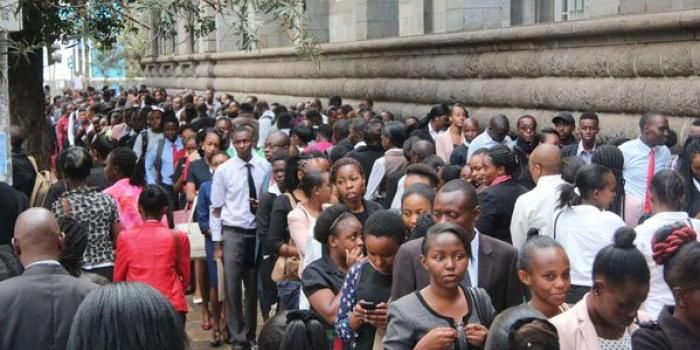
The announcement comes amid growing public debate over take-home pay in Kenya, where multiple statutory deductions have sharply reduced net salaries. Earlier this month, the Kenya Bankers Association urged the government to reconsider PAYE bands and rates, saying reforms could stimulate economic activity and improve productivity.
The banking lobby group has proposed broader cuts across income brackets, arguing that lower tax rates could expand the economy and eventually increase overall tax collection.
The government’s proposal is only at the planning stage. Any changes will require parliamentary approval and could face scrutiny as lawmakers weigh fiscal stability against household relief.
The debate over pay slips, taxes and cost-of-living relief is likely to remain central in the coming months, as the government balances reform promises with tightening public finances.
About the Author