
President William Ruto has dismissed claims that his administration pressured matatu operators into abandoning a planned nationwide strike, saying transport sector leaders made the decision after hearing the government’s explanation on rising fuel prices.
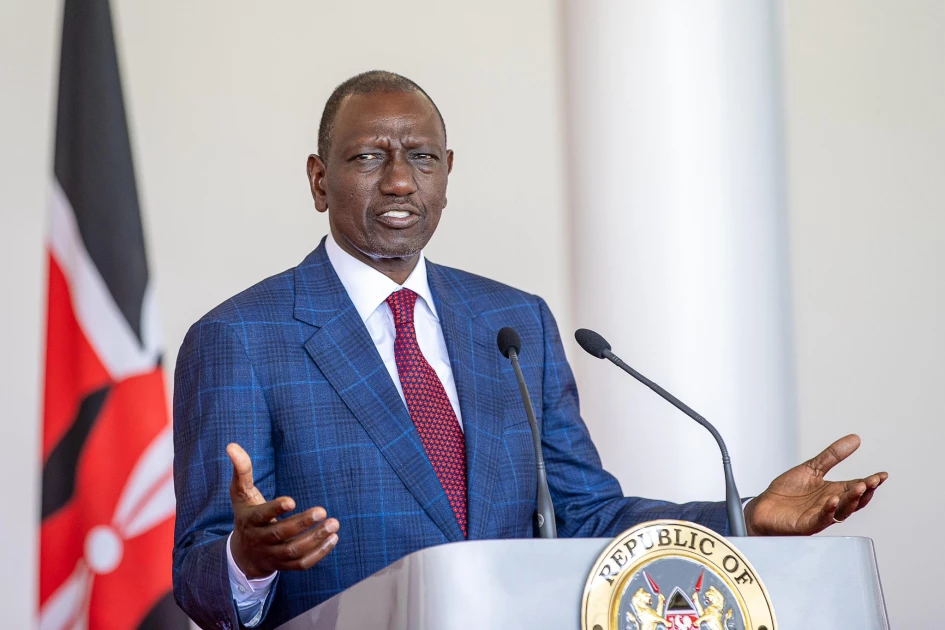
Speaking during the National Prayer Breakfast at the Safari Park Hotel in Nairobi on Thursday, Mr Ruto said he held lengthy discussions with representatives from the transport industry about the country’s fuel crisis and the government’s response to it.
“I did not tell them to call off the strike,” the President said. “They looked at the facts. Many people said they were influenced this way or that way. Maybe they were, by the facts of what the situation is.”
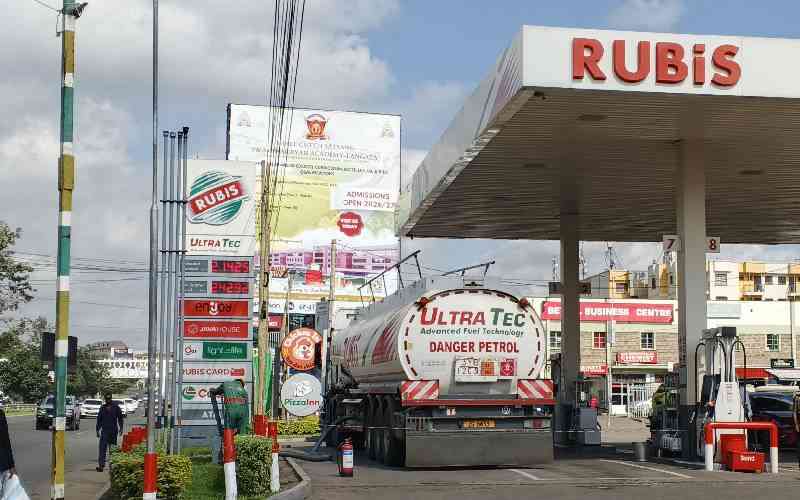
The talks came days after Kenya faced growing tension over sharp increases in fuel prices announced by the Energy and Petroleum Regulatory Authority (EPRA). The May 14 review pushed diesel prices in Nairobi above Sh240 a litre, triggering protests from public transport operators and threatening to disrupt travel across the country.
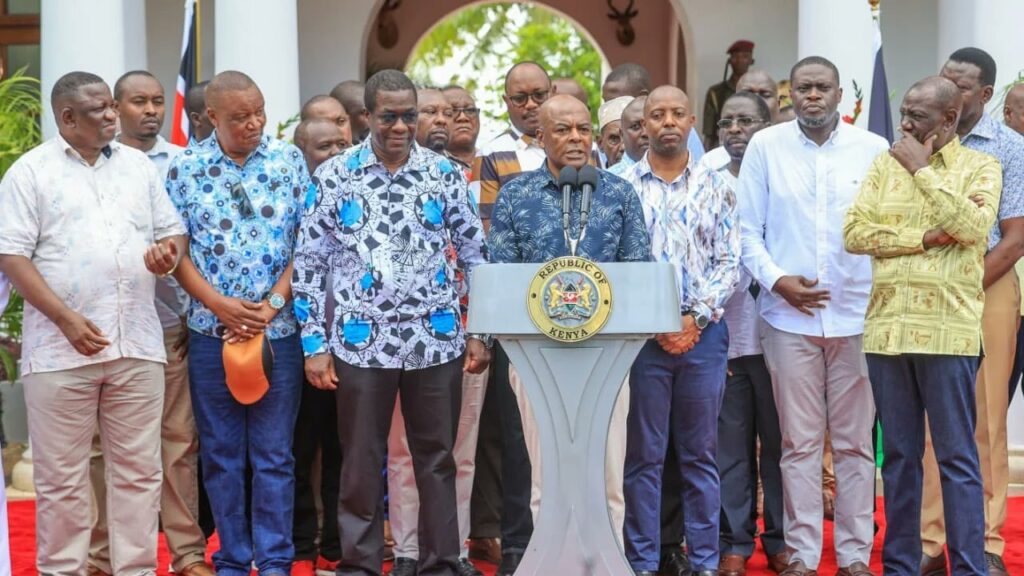
Matatu operators had initially suspended the strike for seven days to allow room for negotiations with the government. After the meeting with President Ruto at State House in Mombasa, industry leaders formally called off the action.
Government defends fuel subsidy measures
The President said the discussions lasted nearly three hours and centred on fuel supply challenges, government subsidies and lessons from the shortages that rocked the country in 2022, when motorists endured long queues at petrol stations.
President Ruto argued that despite public frustration, the government was still cushioning consumers from the full cost of fuel on the international market.
“Today, the government is subsidising fuel,” he said. “The actual price of diesel should be Sh273, but it is Sh232.”
The administration has since announced a further Sh10 reduction in diesel prices during the June-July pricing cycle. If implemented, diesel in Nairobi is expected to fall to about Sh222.86 per litre, offering relief to transport operators, farmers and manufacturers already squeezed by high operating costs.
Albert Karakacha, chairman of the Matatu Owners Association, said the government’s latest intervention helped persuade operators to return to work.
“We have called off the strike,” CS Karakacha said after the talks. “We will not have a strike next week; we are going to work.”
Cost of living pressures remain
He also credited Nairobi Governor Johnson Sakaja for helping mediate discussions between operators and the national government, saying the engagement prevented further economic disruption in the capital.
The fuel crisis has become another test for President Ruto’s administration as Kenyans continue to grapple with the rising cost of living. While the government insists subsidies are helping stabilize prices, critics argue that fuel hikes continue to ripple through transport fares and food prices, deepening pressure on households already struggling with inflation.
About the Author