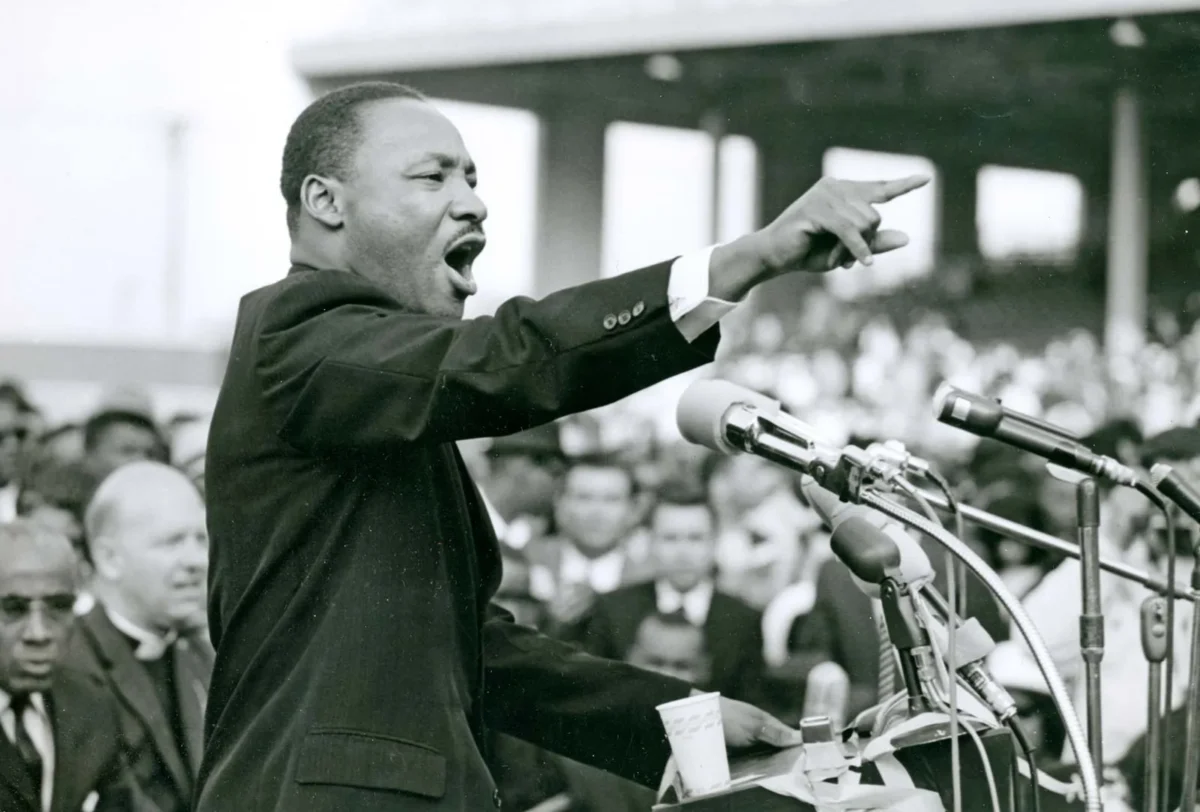
On a cold December evening in 1955, a young preacher stood before a restless crowd in Montgomery, Alabama.
Martin Luther King Jr. was only 26. Few outside the city knew his name. But by the time he finished speaking that night, a movement had found its voice.
That moment, quiet, tense and uncertain, marked the beginning of a public life that would help reshape the United States.
The boycott that tested a city
The Montgomery bus boycott began after Rosa Parks was arrested for refusing to give up her seat to a white passenger.
Black residents responded not with violence, but with absence.
For 381 days, thousands chose to walk rather than ride segregated buses. Churches organised carpools. Families shared rides. Some lost jobs. Many were threatened.
King, newly appointed pastor at Dexter Avenue Baptist Church, was selected to lead the protest. He spoke calmly but firmly, urging discipline and unity.
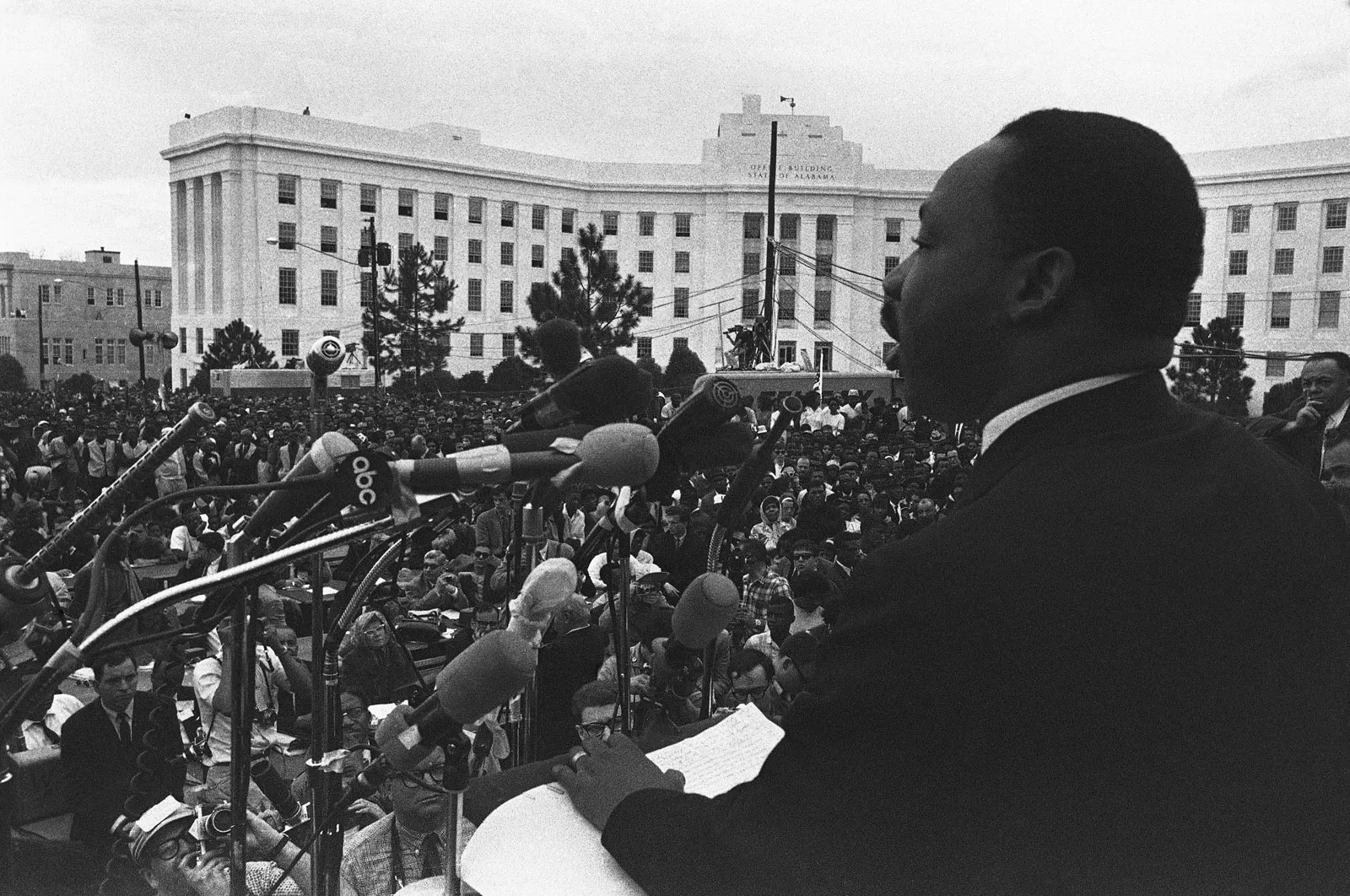
“We are not wrong in what we are doing,” he told supporters at the time, according to church archives. “If we are wrong, then the Constitution is wrong.”
The boycott ended in victory when the US Supreme Court ruled that segregation on public buses was unconstitutional. It also introduced King to the nation and to danger. His home was bombed during the protest. He did not step away.
A growing movement and rising pressure
Throughout the late 1950s and early 1960s, King became the public face of non-violent resistance.
He led marches in Birmingham, Selma and other Southern cities where segregation was enforced by law and habit. Protesters were arrested. Children were jailed. Police dogs and fire hoses were turned on demonstrators.
Supporters saw moral clarity. Critics accused King of stirring unrest. Even within the Black community, some younger activists argued that non-violence moved too slowly.
King listened, but did not bend.
“Violence may bring temporary results,” he said in later speeches, “but it never brings permanent peace,” a view documented in his published writings.
A dream heard around the world
In August 1963, King stood on the steps of the Lincoln Memorial during the March on Washington.
More than 200,000 people gathered beneath a summer sun to demand jobs and equal rights.
His speech that day became one of the most recognisable moments in modern history. Without repeating its famous lines, historians note that King spoke of dignity, citizenship and a nation living up to its promises.
The address elevated him from movement leader to global figure.
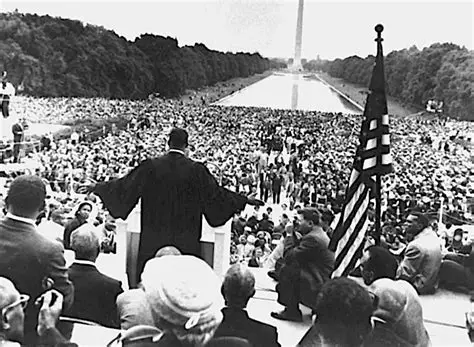
“It was the moment America had to listen,” said Professor Clayborne Carson, a historian at Stanford University and editor of King’s papers, in later academic interviews.
Within a year, the Civil Rights Act was signed into law. The Voting Rights Act followed in 1965. King, then 35, received the Nobel Peace Prize.
Yet the pressure only grew.
The final chapter
By the late 1960s, King had expanded his focus beyond segregation. He spoke openly about poverty, workers’ rights and opposition to the Vietnam War.
Those positions unsettled political allies and angered critics who preferred he stay silent on foreign policy.
In April 1968, he travelled to Memphis, Tennessee, to support striking sanitation workers demanding fair pay and safer conditions.
On April 4, as he stood on the balcony of the Lorraine Motel, he was shot and killed.
He was 39 years old.
The assassination sparked grief and unrest across the United States. Cities burned. Churches mourned. A nation paused.
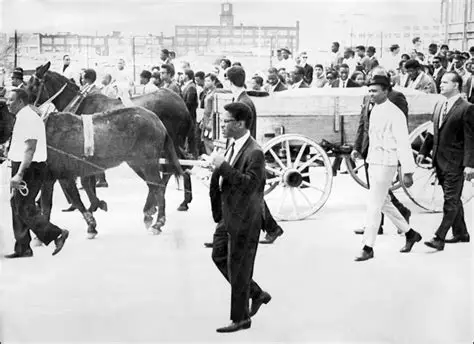
James Earl Ray later pleaded guilty to the murder, though debates and conspiracy claims have lingered for decades. Official investigations have found no evidence of a wider plot.
A legacy that endures
More than half a century later, King’s influence remains deeply woven into American life.
A federal holiday now bears his name. Streets, schools and monuments honour his memory. His speeches are studied in classrooms around the world.
Yet his legacy is not frozen in history.
Scholars often note that King’s work was unfinished, a reminder rather than a conclusion.
“He did not see himself as a hero,” Professor Carson has said. “He saw himself as part of a long struggle.”
That struggle continues in debates over equality, justice and citizenship, not only in the United States, but far beyond it.
The moments that shaped Martin Luther King Jr.’s life were rooted in courage, faith and persistence. Together, they formed a quiet truth that still echoes today: change does not arrive suddenly. It is walked toward, step by step.
About the Author