

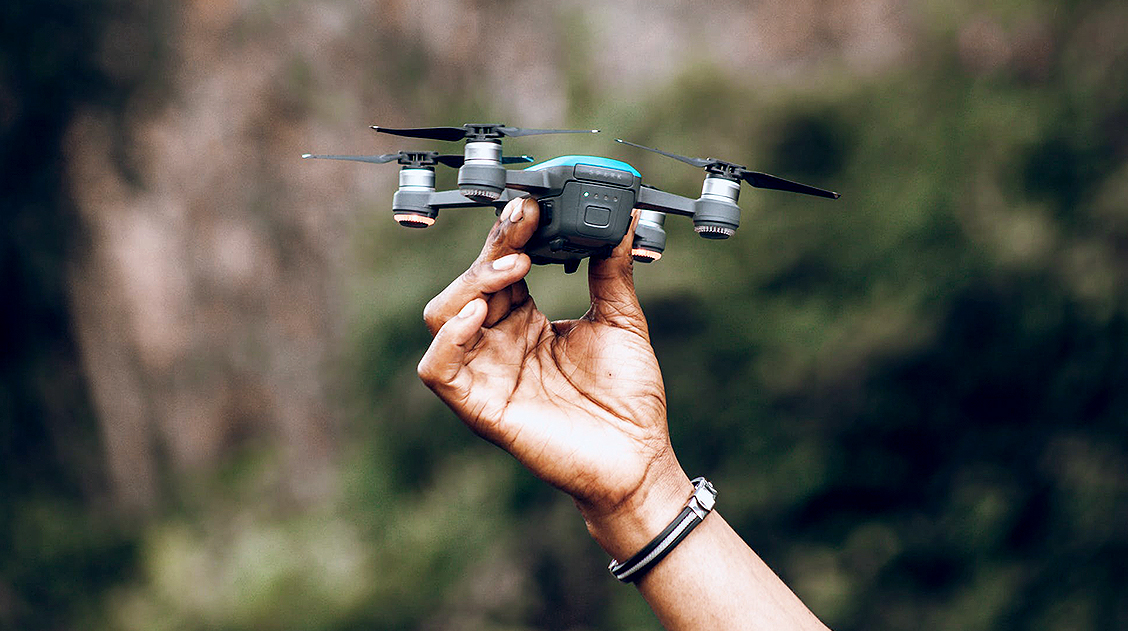
Flying a drone in Kenya can feel like an exciting way to capture landscapes, film content, or even deliver media services in more compelling and appealling ways, but it comes with serious legal obligations.
In Kenya, drones (officially known as Remotely Piloted Aircraft Systems, or RPAS) are regulated by the Kenya Civil Aviation Authority (KCAA). Whether you are a hobbyist, a commercial operator, or a traveler hoping to fly for fun, the law requires proper documentation, permits, and adherence to flight restrictions. Understanding these rules is essential to avoid fines, confiscation, or prosecution.
Registration and Licensing: What Every Drone Owner Must Do
Before a drone can legally take off, it must be registered with KCAA, regardless of whether it is used for personal or commercial purposes. Registration includes providing serial numbers, ownership documents, and proof of purchase. Foreign visitors may also register temporarily, depending on the purpose of use.
For those intending to use drones commercially, including photography, surveying, mapping, or media production, a Remote Pilot Licence (RPL) is mandatory. Pilots must undergo KCAA-approved training and pass both theory and practical assessments. Organisations offering drone services require an RPAS Operator Certificate (ROC), which authorises them to run commercial operations in Kenya.
This licensing framework ensures that anyone controlling a drone is properly trained, aware of risks, and accountable for how they operate.
Categories of Drone Flights
Kenya classifies drone operations into three risk levels: Category A (low risk), Category B (medium risk), and Category C (high risk). Most hobbyists fall under Category A, which allows drones under 25kg to be flown within visual line-of-sight and up to 400 feet above ground level. But these privileges come with strict conditions, including maintaining safe distance from people, buildings, and vehicles.
As you move into Category B and C, the rules tighten. These flights may involve higher-risk operations, such as flying near controlled airspace or conducting beyond visual line-of-sight missions. In such cases, a licensed pilot, specialized training, and continuous communication with air traffic control may be required.
Where You Can and Cannot Fly
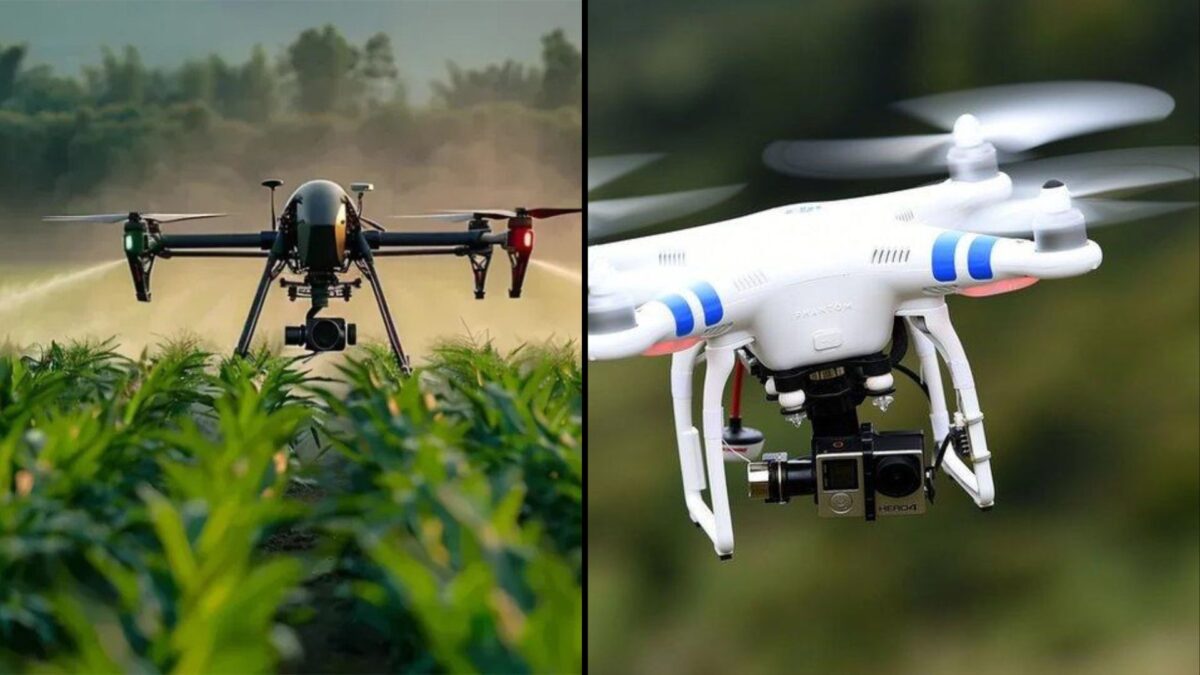
Kenya has strict, clearly defined restrictions governing where drones may fly. Most recreational flights are allowed only in open spaces away from airports, government installations, and sensitive security zones.
The no-fly list includes:
- All airports and airstrips, with a mandatory 10 km exclusion radius
- Military bases, police stations, and government buildings
- National parks and wildlife reserves without a special filming permit
- Crowded areas such as markets, stadiums, and political gatherings
These restrictions are meant to prevent accidents, protect national security, and reduce the risk of interfering with crewed aircraft. Drones operated near airports have caused serious incidents globally, and Kenya maintains a zero-tolerance approach toward unsafe airspace intrusion.
Safety and Operational Constraints
Safety is at the core of Kenya’s drone laws. The maximum height for drone flights is 400 feet, unless you have special approval. Operators must keep the aircraft within sight at all times unless flying under higher categories with permission.
Proximity rules are strict: drones must remain at least 50 meters laterally from people, buildings and vehicles that are not directly involved in the flight. Flying over roads, crowds, schools, hospitals or private property without authorization is prohibited.
Night flying and operating in poor visibility conditions such as fog or rain also require separate approval. The laws apply equally whether you’re in Nairobi, the Coast, or deep in rural areas,unsafe flying is never allowed.
Penalties for Violations
Kenya enforces its drone laws strictly. Flying without registration, operating in restricted areas, or ignoring safety rules can lead to:
- Heavy fines
- Drone confiscation
- Possible prosecution
- Permanent bans from operating drones in Kenya
These penalties are designed to ensure the safety of Kenya’s busy airspace and to discourage misuse of unmanned aircraft for spying, smuggling, or other illegal activities.
Why the Rules Matter
Drones have transformed industries in Kenya, from film and journalism, to wildlife conservation, farming and emergency response. As more Kenyans embrace drone technology, the laws aim to strike a balance between innovation and safety. They ensure that drones enhance lives without compromising security, privacy, or the integrity of Kenyan airspace.
Understanding the regulations isn’t just a formality, it’s a responsibility. Whether you’re a hobbyist capturing landscapes or a professional flying for commercial work, knowing the laws ensures that every flight is safe, legal and respectful of the people and spaces around you.
About the Author