NAIROBI — Kenya is preparing for a massive tree-planting campaign to mark the country’s newest public holiday, Mazingira Day, with a target of 100 million seedlings in a single push.
The government says more than 71 million of those trees will be fruit varieties, planted across 35,570 public and private primary schools. Each school is expected to grow at least 2,000 seedlings.
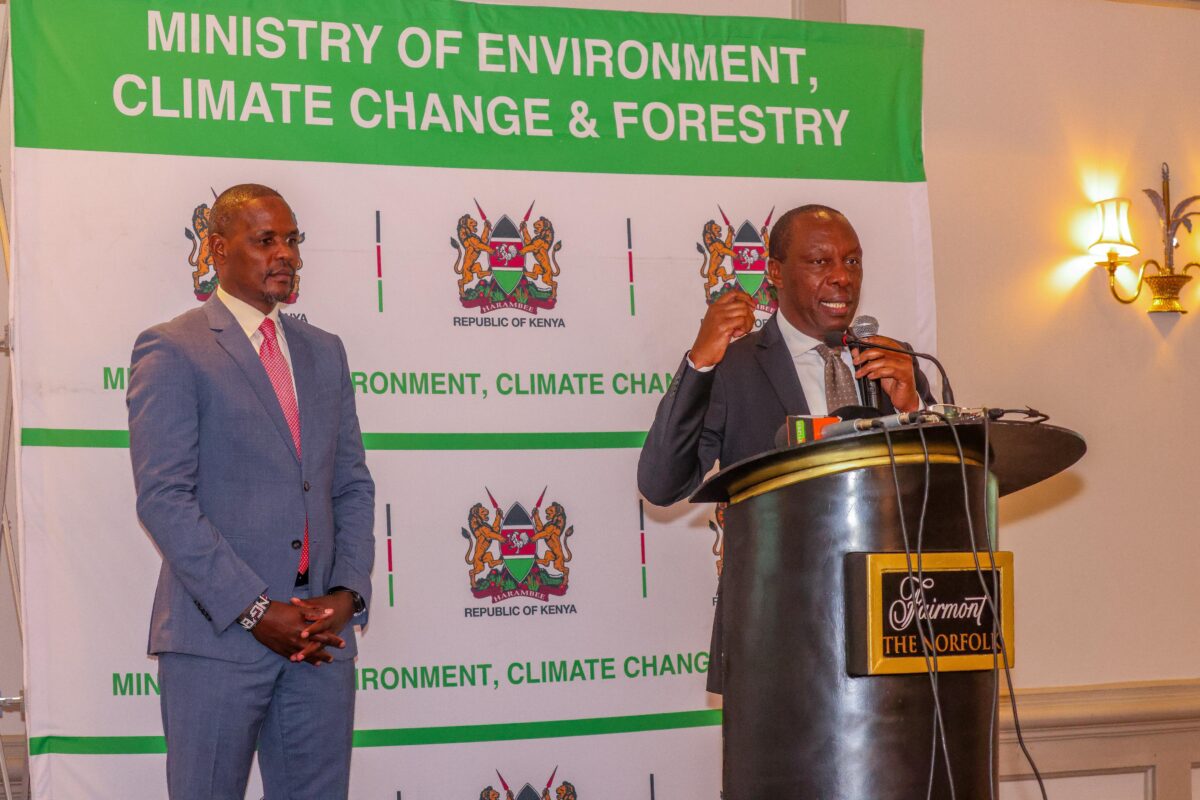
The plan was announced on Tuesday by Forestry Principal Secretary Gitonga Mugambi, who described it as both an environmental and economic initiative. “Fruit trees are good for nutrition. In the next two to three years they will create jobs, wealth and protect the environment,” he said. According to Mr Mugambi, the estimated value of a single tree is Sh10,000, and if well managed, 100 million trees could generate Sh1 trillion annually.
Mazingira Day, which will be marked for the first time on October 10, replaces Utamaduni Day after amendments passed by Parliament last year. Officials say the holiday is meant to encourage Kenyans to plant trees, clean up their surroundings and adopt greener lifestyles.

Environment Principal Secretary Festus Ng’eno said the campaign will go beyond tree planting. “This day will also spotlight waste management, recycling and the circular economy to create green jobs for youth,” he told reporters. The effort, he added, is part of a wider push to position Kenya as a regional hub for sustainable manufacturing.
The government has called on Kenyans to return to their former schools under the theme Turudi Primo: Tu-kadonate Fruit Trees na Ku-clean Environment. Participants are encouraged to donate seedlings and take part in clean-up drives.
National celebrations will be held at Kabuyefwe Primary School in Trans Nzoia County, with local activities led by administrators, the Ministry of Education, the National Environment Management Authority and the Kenya Forest Service.
The tree-planting drive is linked to Kenya’s broader goal of planting 15 billion trees by 2032. Officials say more than one billion have already gone into the ground.
“This is about securing our future,” Mr Ng’eno said. “It’s about making sure our children inherit a healthier, greener country.”
About the Author