A fresh report from the Controller of Budget has revealed that the Kenyan government spent over KSh1.074 billion on domestic travel alone in just nine months raising eyebrows among a public still reeling from harsh economic times.
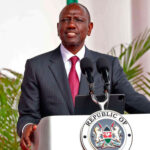
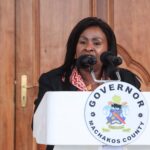
The report, released by Controller of Budget Margaret Nyakang’o, covers the first three quarters of the 2024/25 financial year. It shows a pattern of lavish government spending on travel, despite repeated promises by President William Ruto to cut down on non-essential costs.
In total, the government spent KSh11.6 billion on domestic travel between July 2024 and March 2025. An additional KSh5.1 billion was used for foreign trips.
The presidency, which had pledged to lead by example on austerity, is now under renewed scrutiny. State House alone spent KSh145.36 million on local travel and KSh30 million on trips abroad. Meanwhile, Deputy President Rigathi Gachagua’s office reported KSh196.22 million on domestic travel and KSh22 million for overseas expenses.
“This level of spending shows the government is not serious about cutting costs,” said political analyst Pauline Wanjiku. “You can’t preach sacrifice to citizens while living in excess.”
Lawmakers also featured prominently in the expenditure breakdown. Members of Parliament spent more than KSh3.3 billion on local travel and KSh1.014 billion for foreign trips. Senators accounted for KSh902 million and KSh438 million on domestic and foreign travel respectively.
President Ruto had publicly vowed to slash unnecessary public spending in response to Gen Z-led protests that shook the country on 25 June. The protests, largely driven by frustration over economic inequality, forced the government to abandon the controversial Finance Bill 2024 and promise deep spending cuts.
But the figures in the Controller’s report suggest those promises are being ignored.
“It’s not just about money,” said Samuel Mwangi, a university student and protester. “It’s about trust. If the president says he’s cutting costs, we expect action, not excuses.”
During the same nine-month period, the government spent KSh1.2 trillion, which represents 70 percent of its revised budget. The continued rise in recurrent expenditure particularly travel has sparked calls for tighter accountability and transparency.
“We must have a national conversation about priorities,” said economist Dr Grace Kilonzo. “This isn’t just about travel. It’s about whether leaders are willing to share in the sacrifices they ask of ordinary citizens.”
About the Author