
President William Ruto has ordered the number of teacher promotion opportunities for the current year to be increased to 50,000, reviving a pledge that has faced growing scrutiny over its implementation.
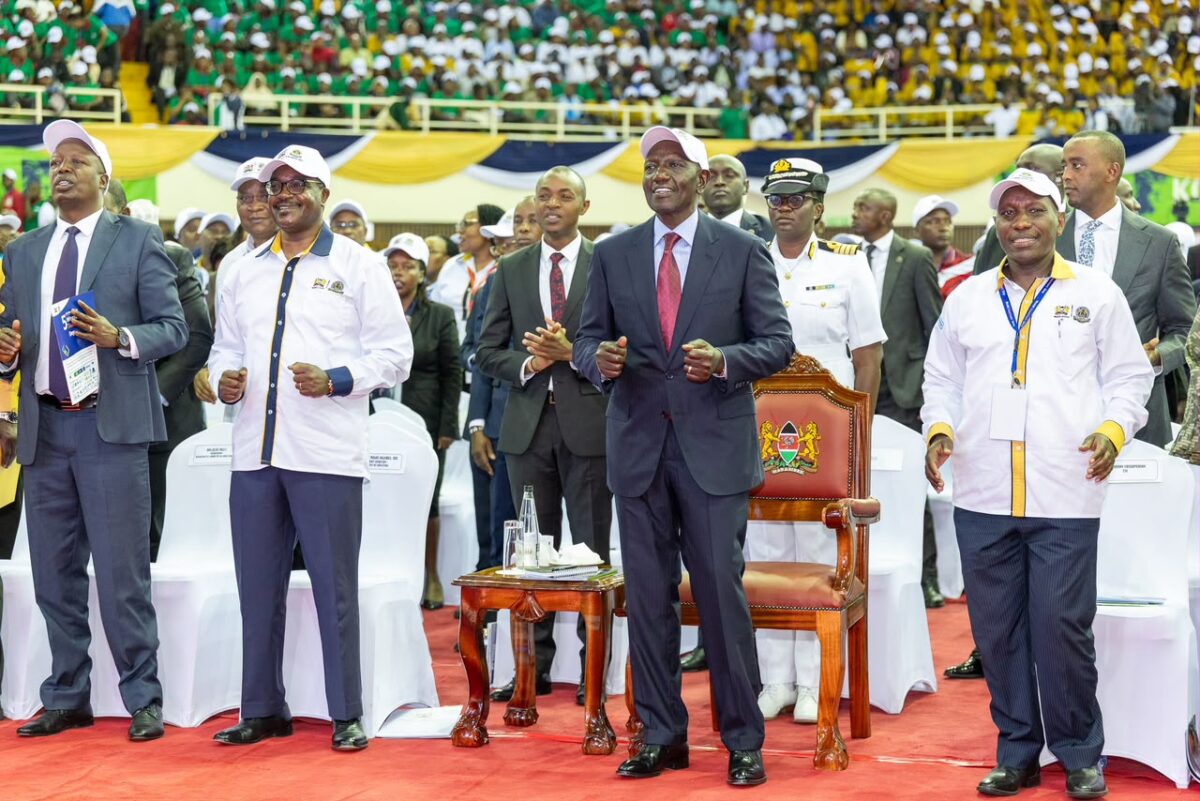
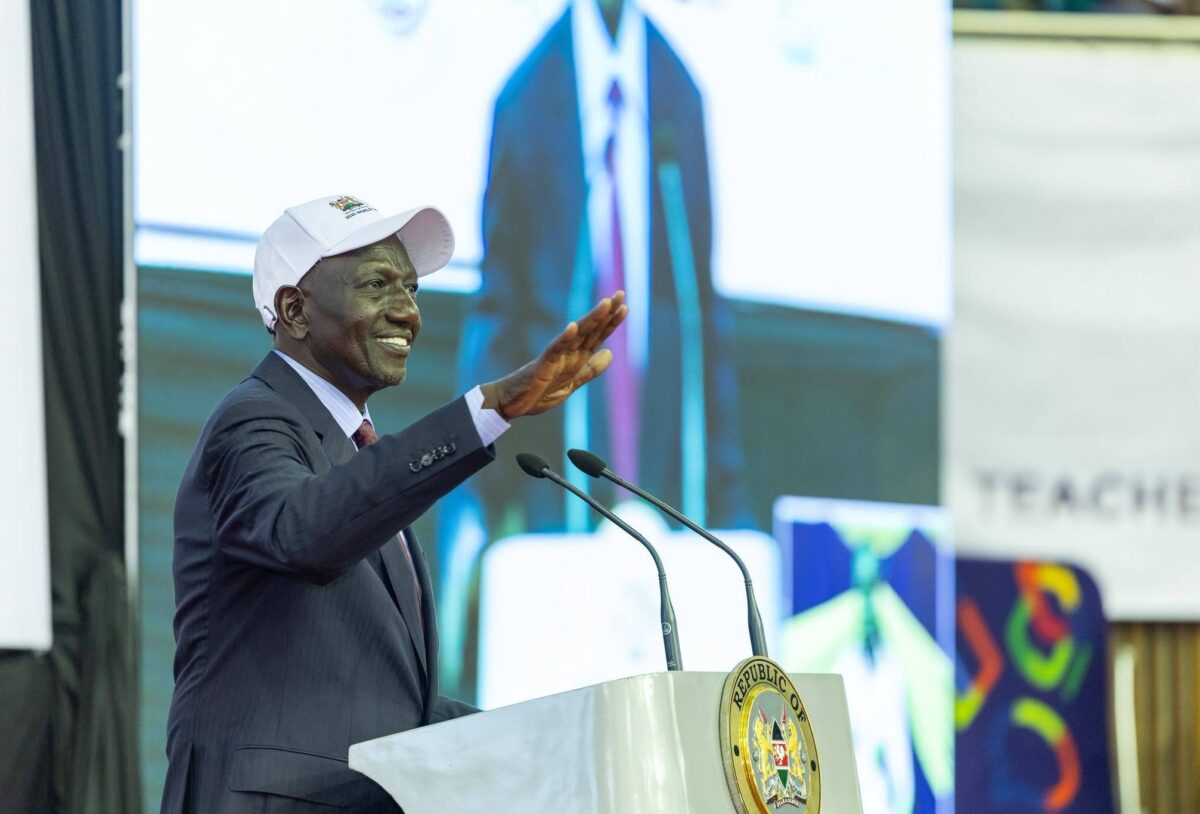
Speaking during the national World Teachers’ Day celebrations at Kasarani Gymnasium in Nairobi on Monday, Ruto said the Teachers Service Commission (TSC) had already advertised 34,016 promotion opportunities but directed that the figure be increased to 50,000.
The President said the Government would provide the additional funding required to facilitate the expanded exercise, describing it as the largest teacher promotion exercise to be undertaken in a single year.
The announcement comes weeks after reports showed that more than 126,000 teachers had applied for the 34,016 promotion positions advertised by TSC, meaning nearly four teachers were competing for every available opportunity.
The numbers have renewed attention on the gap between the number of teachers seeking career progression and the number of positions available.
Ruto had previously committed to increasing annual teacher promotions to 50,000 after teachers raised concerns over career stagnation during a meeting with him at State House in September 2025.
At the time, teachers and their unions questioned whether the Government would deliver on the promise, with reports indicating that the initial promotion exercise fell short of the 50,000 target.
Ruto said on Monday that his administration had already promoted 126,462 teachers since taking office, which he described as more than under any previous administration.
He also said the Government had doubled the budget for teacher promotions from KSh1 billion to KSh2 billion, while the TSC and teachers’ unions had completed consultations on new career progression guidelines that are awaiting approval by the Salaries and Remuneration Commission.
But promotion was not the only issue placing pressure on the Government during the celebrations.

KUPPET National Chairman Omboko Milemba used the World Teachers’ Day platform to draw attention to another group of educators he described as the “forgotten teacher” , Early Childhood Development Education (ECDE) teachers.
“Your Excellency, I want to present the forgotten teacher. That is, the teacher who is not here, and who must be sought to be brought here. That is the ECD teacher,” Milemba told Ruto.
Milemba questioned the remuneration of ECDE teachers and called for presidential intervention, particularly over concerns surrounding Salaries and Remuneration Commission recommendations.
The intervention introduces another fault line in Kenya’s education debate: while the national Government is announcing large-scale recruitment, promotions and improved welfare for teachers under TSC, questions remain over the treatment of educators outside the mainstream TSC structure.
Ruto, meanwhile, pointed to a broader expansion of the teaching workforce. He said the Government had recruited 100,000 teachers over the past four years and that another 20,000 would be recruited by December, bringing the total to 120,000.
He also announced that KSh4.9 billion had been provided to move 20,000 contract teachers who have served for two years onto permanent and pensionable terms from January 2027.
The President further highlighted investments in classrooms, laboratories, teacher training, healthcare, remuneration and housing, saying education funding had increased from KSh526 billion four years ago to KSh784.5 billion.

For teachers, however, the key question may now be whether the latest commitments translate into opportunities reaching those who have waited longest for career progression and better working conditions.
With 126,000 teachers having previously competed for just over 34,000 promotion opportunities, the expansion to 50,000 could ease some of the pressure — but still leaves thousands without promotion in the current exercise.
The Government will therefore face scrutiny not only over the size of the announcement, but also over how quickly the additional positions are funded, allocated and implemented.
As Kenya marks 60 years of the teaching profession under the international standards adopted in 1966, the debate is increasingly shifting from celebrating teachers to asking whether the country’s policies and budgets are matching the demands placed on them.
About the Author