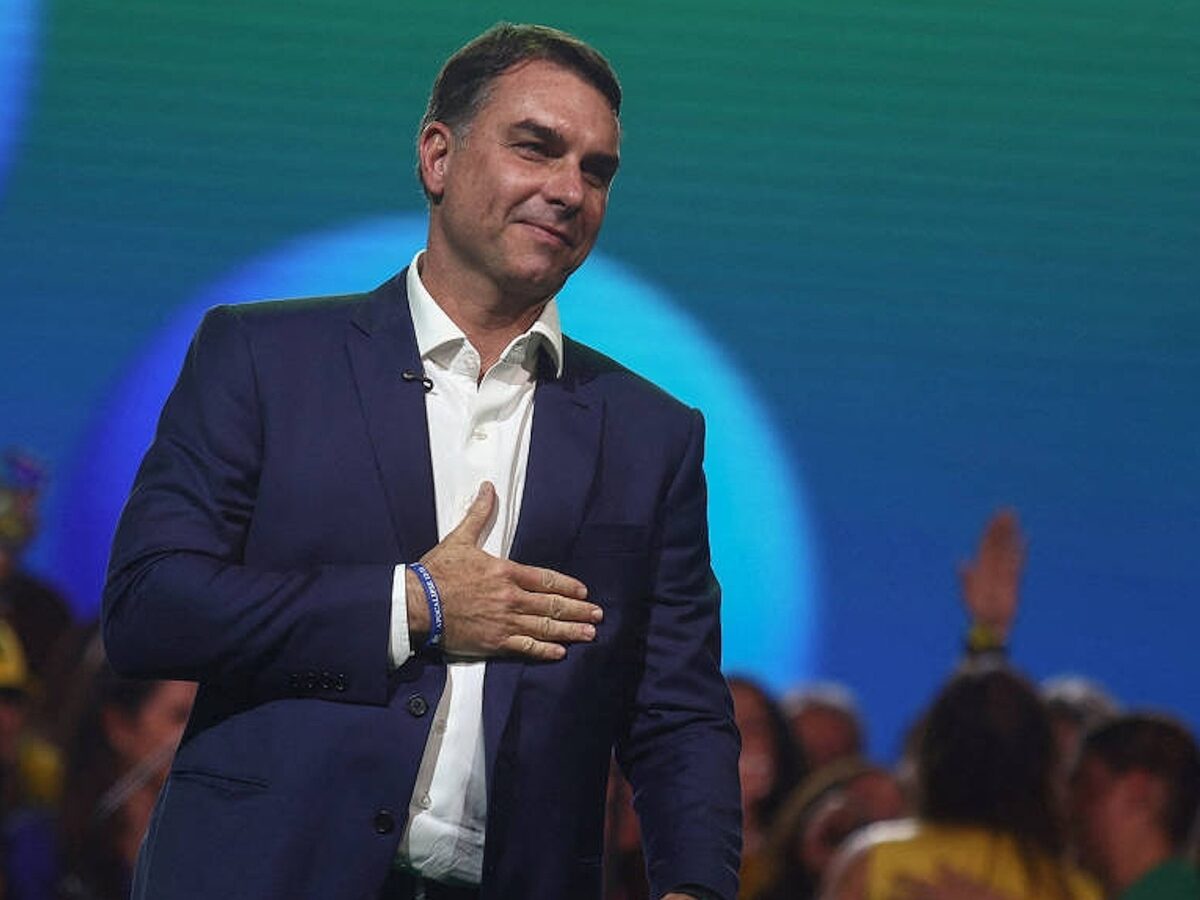
Brazil’s presidential election is heading for a second round after right-wing Senator Flávio Bolsonaro finished narrowly ahead of President Luiz Inácio Lula da Silva in the first vote.
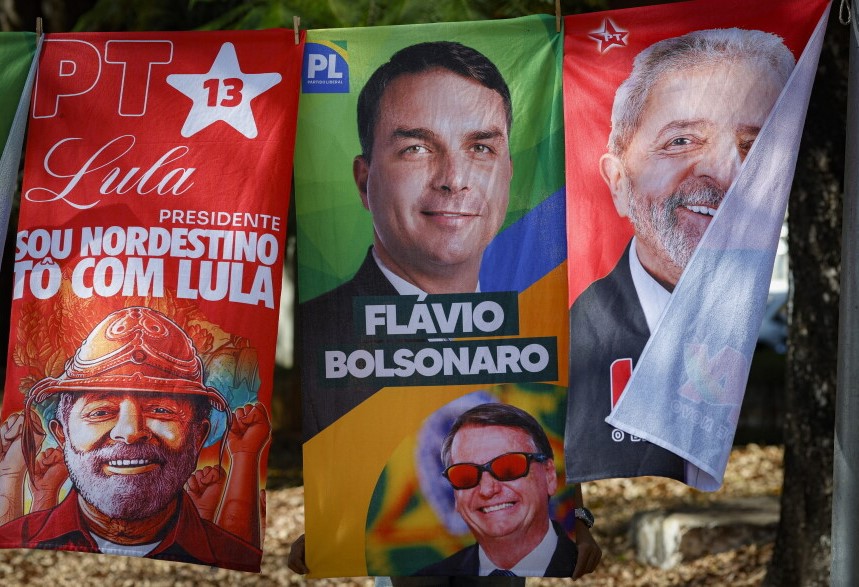
With 99.99 per cent of the ballots counted, Bolsonaro had 47.03 per cent of the valid vote, compared with Lula’s 45.16 per cent, according to Brazil’s Superior Electoral Court. Neither candidate reached the majority needed to win outright.
The two will face each other again on 25 October, setting up a closely fought contest for the presidency of Latin America’s largest country and economy.
Bolsonaro, 45, is the eldest son of former President Jair Bolsonaro and is making his first presidential bid. He currently serves as a senator representing Rio de Janeiro.
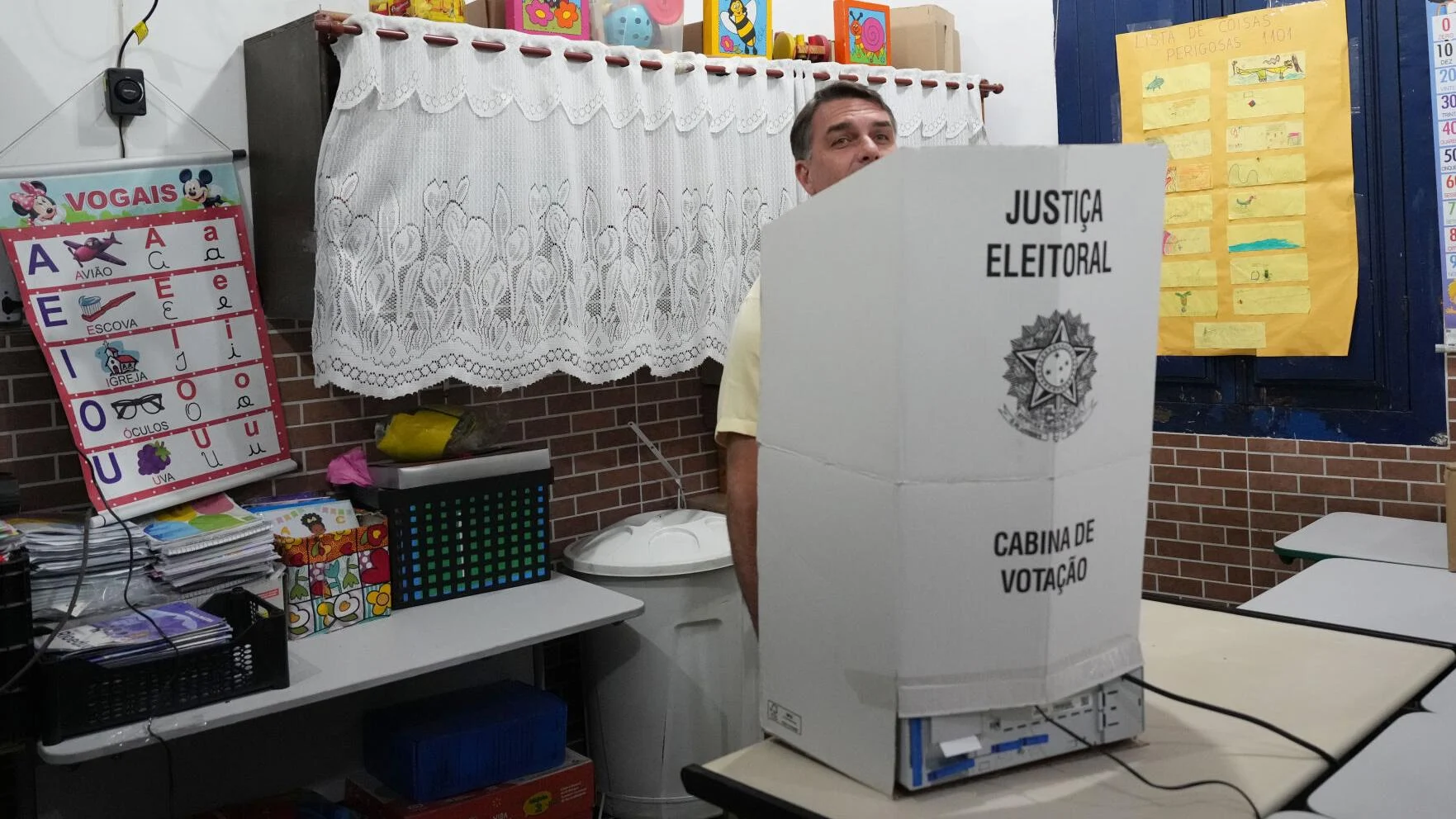
His result was stronger than many pre-election polls had suggested. The narrow margin has also given the Brazilian right fresh momentum heading into the run-off.
After the results were announced, Bolsonaro welcomed the outcome and said it showed that Brazilians wanted change.
“Brazil wants change,” he said.
He also expressed confidence that voters would back him in the second round, describing the result as evidence of a chance to build what he called a modern government.
Lula, 80, had hoped to secure another term without a second vote. Instead, he now faces a renewed battle with the Bolsonaro political movement.
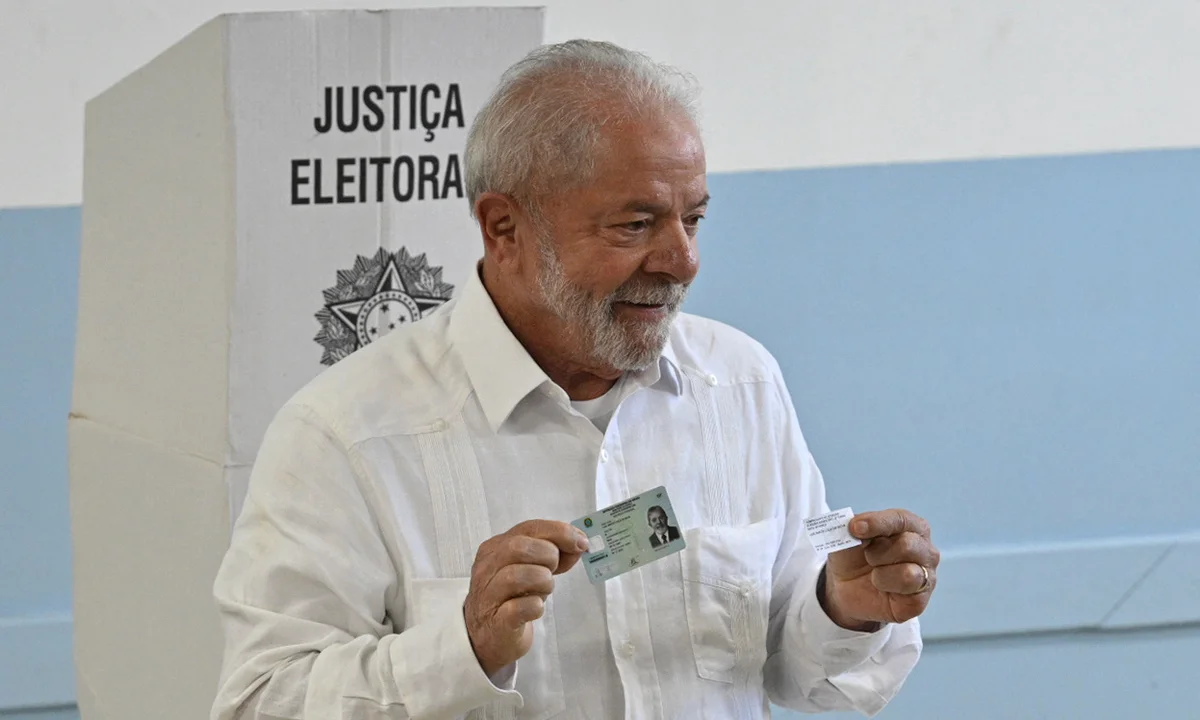
The veteran left-wing leader acknowledged that the result was not what he had expected but insisted the election was far from over.
“The game is about to start,” Lula said after the first-round result. “We are in extra time.”
A deeply divided Brazil
The election has once again exposed the sharp political divide in Brazil.
Lula remains strongly supported among poorer and working-class voters, particularly in the country’s north-east. His campaign has focused on social programmes, economic growth and reducing inequality.
Bolsonaro, meanwhile, has attracted stronger support in wealthier parts of the country and among conservative and evangelical voters. His campaign has placed greater emphasis on crime, public security, lower government spending and closer relations with the United States.
The result also reflected the continued strength of the Bolsonaro political family.
Jair Bolsonaro, who was barred from running, endorsed his son after becoming ineligible to seek another term. The former president is serving a 27-year prison sentence over his conviction for plotting a coup following his defeat in the 2022 election.
Flávio Bolsonaro has also promised amnesty for his father and supporters convicted over the January 2023 attacks on government buildings, if he wins the presidency.
Economy, crime and corruption
The campaign was dominated by concerns over the economy, crime and corruption.
Brazil has struggled with high household debt and slower economic growth, while public security remains a major concern despite a decline in the country’s homicide rate.
Bolsonaro has proposed tighter measures against organised crime, a limit on public debt and reductions in government spending.
Lula has defended his record of expanding social welfare programmes, including Bolsa Família, while pushing for investment in areas such as technology and critical minerals.
The candidates also differ over Brazil’s relationship with the United States and China.
Bolsonaro has signalled a closer relationship with Washington while maintaining that Brazil should preserve an economically pragmatic relationship with China, its largest trading partner.
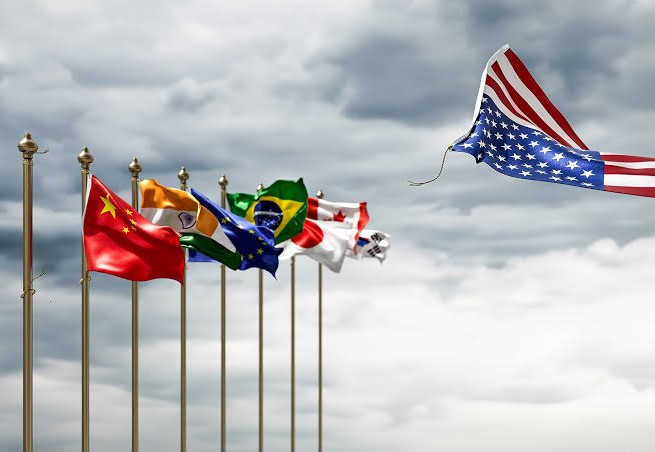
Lula, meanwhile, has placed national sovereignty at the centre of his campaign and has been critical of what he sees as foreign attempts to influence Brazilian affairs.
The race now resets
The first-round result has changed the political calculation.
Bolsonaro enters the second round with a lead, but he still needs to win over millions of voters who backed candidates eliminated in the first round.
Lula faces the same challenge.
With less than two percentage points separating the two leading candidates, neither side can afford to take the next three weeks for granted.
Brazilian voters will now decide whether to give the country a right-wing president from the Bolsonaro family or return Lula to office for another term.
The answer will come on 25 October.
About the Author