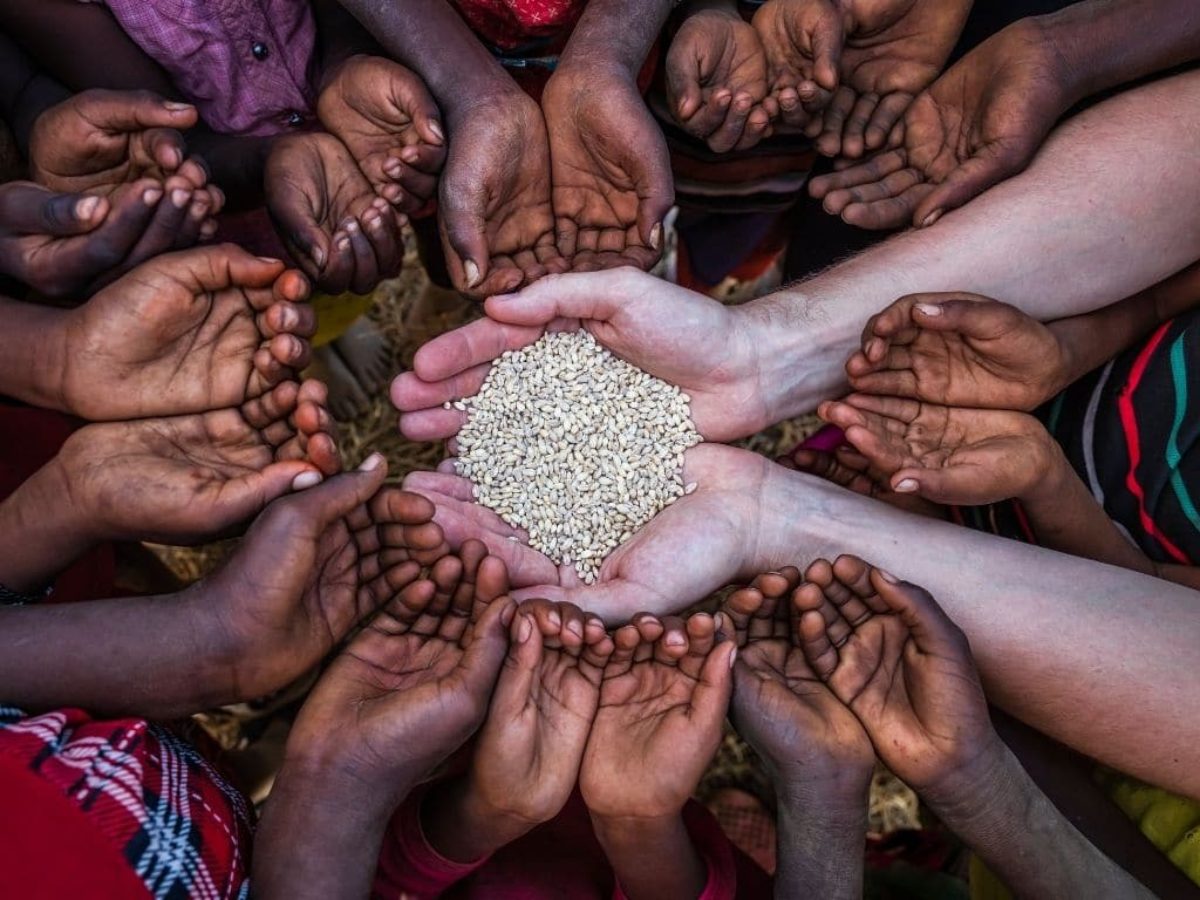
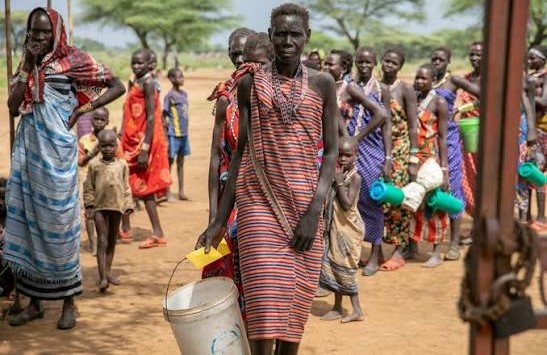
More than 40.3 million people across six IGAD member states are facing high levels of acute food insecurity in 2026, as conflict, climate shocks and economic pressures are continuing to deepen food insecurity across the region.
The figure is emerging in the latest IGAD Regional Focus of the 2026 Global Report on Food Crises, which is being launched in Nairobi on Thursday.
The report is examining food insecurity, acute malnutrition and displacement in Djibouti, Kenya, Somalia, South Sudan, Sudan and Uganda. It is showing that more than one in three people covered by the assessment are currently facing high levels of acute food insecurity.

Hunger Is Nearly Tripling Across the Region
The number of people facing high levels of acute food insecurity is rising sharply, increasing from 13.9 million in 2016 to 40.3 million in 2026.
The increase is amounting to about 190 per cent over the decade, according to the report.
Conflict is continuing to be one of the main drivers. Climate extremes, economic instability and displacement are also adding pressure on communities already struggling to secure food and livelihoods.
Sudan is recording the largest number of people facing acute food insecurity, with 19.5 million people, or about 41 per cent of its population, being projected to face crisis-level food insecurity or worse between February and May 2026.
South Sudan is recording the highest proportion, with about 55 per cent of its population being affected between April and July.
Kenya and Somalia Are Also Feeling the Pressure
In Somalia, nearly 6.5 million people are facing crisis-level food insecurity or worse between February and March 2026.
The figure is increasing by about 1.9 million from the peak recorded in 2025.
In Kenya’s arid and semi-arid areas, 4.1 million people, including nearly 429,500 refugees, are facing high levels of acute food insecurity between April and June 2026.
That figure is representing a 46 per cent increase from the 2025 peak.

Poor October-to-December 2025 rains are also continuing to affect food production in parts of Ethiopia, Kenya and Somalia.
At the same time, the region is preparing for a potentially wetter October-to-December 2026 season as El Niño is strengthening. While the rains could support crops and livestock, IGAD is warning that excessive rainfall could also increase flooding in parts of Ethiopia, Kenya, Somalia and Uganda.

Millions of Children Are Needing Treatment
The food crisis is also being reflected in growing nutritional needs.
More than nine million children aged between six months and five years across the six countries are estimated to be needing treatment for acute malnutrition.
About 2.3 million children are being classified as suffering from severe acute malnutrition and are requiring urgent treatment.
Displacement is adding another layer to the crisis. About 19 million people across the region are being forcibly displaced, including internally displaced people, refugees and asylum seekers.

Sudan is accounting for the largest share of internal displacement, while renewed conflict is continuing to displace communities in South Sudan. In Somalia, both insecurity and drought are continuing to push people from their homes.
IGAD Is Calling for Earlier Action
IGAD is calling for governments and humanitarian organisations to move towards anticipating food crises rather than waiting for them to worsen.
Charity Mumbua, an IGAD food security specialist, is describing the figures as a warning that requires earlier action.
“These are not just statistics. As our deputy executive secretary stated, it is a call for action,” Mumbua is saying.
She is calling for greater investment in food systems, livelihoods and regional markets while urging governments to act before shocks are becoming full humanitarian emergencies.

The call is coming as humanitarian funding is also declining, making it harder for agencies to respond once crises are emerging.
The wider 2026 Global Report on Food Crises is similarly warning that conflict, extreme weather and reduced humanitarian funding are continuing to put vulnerable populations at greater risk.
About the Author