Kenyan households could face higher cooking gas bills next month as rising international LPG costs add pressure to local prices.
Petroleum industry executives say the increase is being driven by higher global prices for propane and butane, the two main components used to make liquefied petroleum gas (LPG).
The latest rise comes as conflict and attacks on energy infrastructure in the Middle East continue to disrupt established supply routes.
Global LPG benchmarks climb
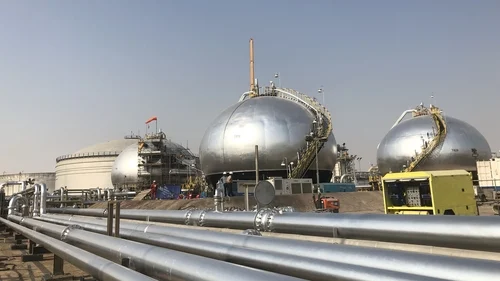
Saudi Aramco, a major supplier and a key price reference for LPG in Middle Eastern and Asia-Pacific markets, raised its September contract prices.
Propane rose by $5 to $625 per tonne, while butane increased by $20 to $660 per tonne, according to market data reported by Reuters and energy pricing service OPIS.
The increase has raised concerns among Kenyan importers and oil marketers because the international cost of LPG is an important component of the final price paid by consumers.
One petroleum industry executive said local prices were likely to respond to the higher international costs.
“LPG prices should go up next month,” the executive said, pointing to the increase in Saudi Aramco’s contract prices.
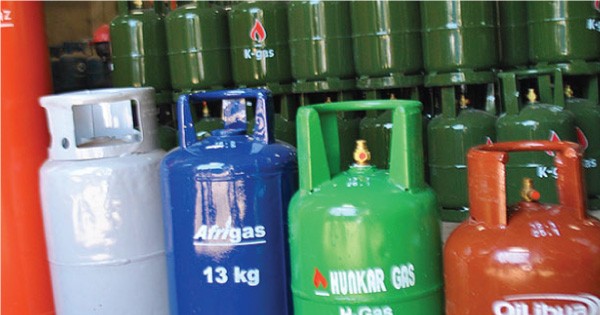
Kenya relies heavily on imported LPG, making the domestic market sensitive to changes in international supply and shipping costs.
Middle East disruptions add pressure
The price increase comes amid continuing disruption to energy supply routes in the Middle East.
Recent attacks damaged Saudi Arabia’s East-West oil pipeline, affecting shipments through the Red Sea port of Yanbu. Saudi Arabia has since moved to increase exports through other routes, including transfers involving Oman’s Sohar port.
The developments have added uncertainty to international energy markets, although some supply routes have begun recovering.
Reuters reported on September 22 that Saudi Arabia had resumed the East-West pipeline at a reduced rate after the attack. Full restoration could take several weeks because pumping stations were damaged.
For Kenyan consumers, the effect will depend on how international costs, shipping expenses, exchange rates and local distribution margins feed through to retail prices.
Consumers have already faced higher costs
Kenyan households have experienced significant changes in LPG prices this year.
Official economic data showed that the average retail price of a 13kg LPG refill stood at about Sh3,471.58 in May before easing slightly to Sh3,470.82 in June. ([Kenya National Bureau of Statistics][3])
Individual retailers currently charge different prices. The supplied market figures put a 13kg cylinder at about Sh3,400 at TotalEnergies and Sh3,202.50 at Rubis, although retail prices can vary by location and outlet.
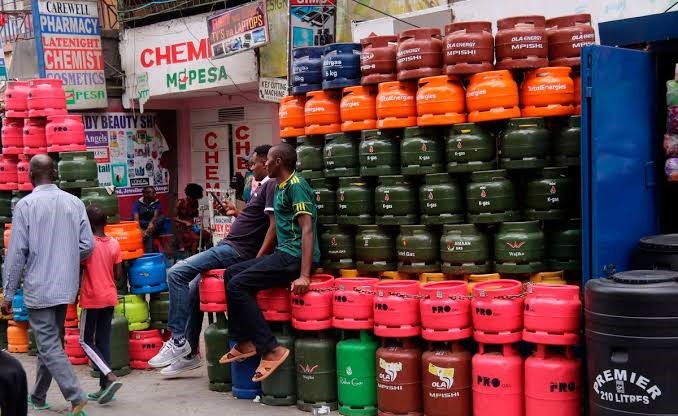
Despite higher prices, demand for LPG has continued to grow.
Kenya consumed 248.82 tonnes of LPG in the six months to June 2026, up from 224.52 tonnes during the same period a year earlier, an increase of about 10.8 per cent.
Unlike petrol, diesel and kerosene, LPG retail prices are not set monthly by the government. Retailers and distributors determine their prices according to market conditions and their costs.
The expected increase therefore does not mean every retailer will raise prices by the same amount or at the same time.
For households already dealing with high food and transport costs, however, another rise in the price of cooking fuel could put further pressure on monthly budgets.
About the Author