Africa’s airlines are facing mounting pressure from high taxes, airport charges, fuel costs and other operating expenses even as passenger traffic across the continent continues to grow.
The African Airlines Association (AFRAA) projects passenger traffic to reach 137.3 million in 2026, representing a 21.5 per cent increase from the previous year. Despite the growth in demand, African carriers are expected to operate on profit margins of just 0.2 per cent, among the thinnest in the global aviation industry.
The industry association says taxes, fees and charges account for between 35 and 40 per cent of airline ticket prices in Africa, compared with about 20 per cent globally. The high cost structure is limiting how much airlines can benefit from the growing demand for air travel.
The pressure is compounded by blocked airline revenues. AFRAA estimates that about $774 million belonging to African airlines was blocked in various countries as of March 2026, preventing carriers from repatriating revenue and adding to their financial pressures.
Fuel costs are another major concern. Global energy market volatility, including the effects of conflict in the Middle East, has pushed up aviation fuel costs and increased operating expenses for carriers. The wider global airline industry is also dealing with higher borrowing and financing costs as fuel prices remain elevated.
For African airlines, the challenge is particularly significant because many carriers operate with relatively thin financial buffers. Higher operating costs can force airlines to increase fares, reduce frequencies on less profitable routes or delay fleet expansion, potentially affecting connectivity across the continent.

AFRAA has called on African governments, regional institutions and financial partners to work together to reduce aviation costs, unlock blocked funds and improve access to aircraft financing. The association also wants greater investment in airport and air-navigation infrastructure.
Africa currently accounts for a relatively small share of global air travel despite its large and growing population. AFRAA estimates that air travel penetration stands at only about 7 per cent of the continent’s population, suggesting significant room for expansion if affordability, connectivity and infrastructure challenges can be addressed.
The continent also faces a shortage of aircraft. AFRAA says Africa receives only about 2 per cent of global aircraft deliveries, compared with 35.6 per cent for Asia-Pacific and 24 per cent for Europe. At the same time, the continent is estimated to require between $25 billion and $30 billion in airport and air-navigation infrastructure investment over the next decade.
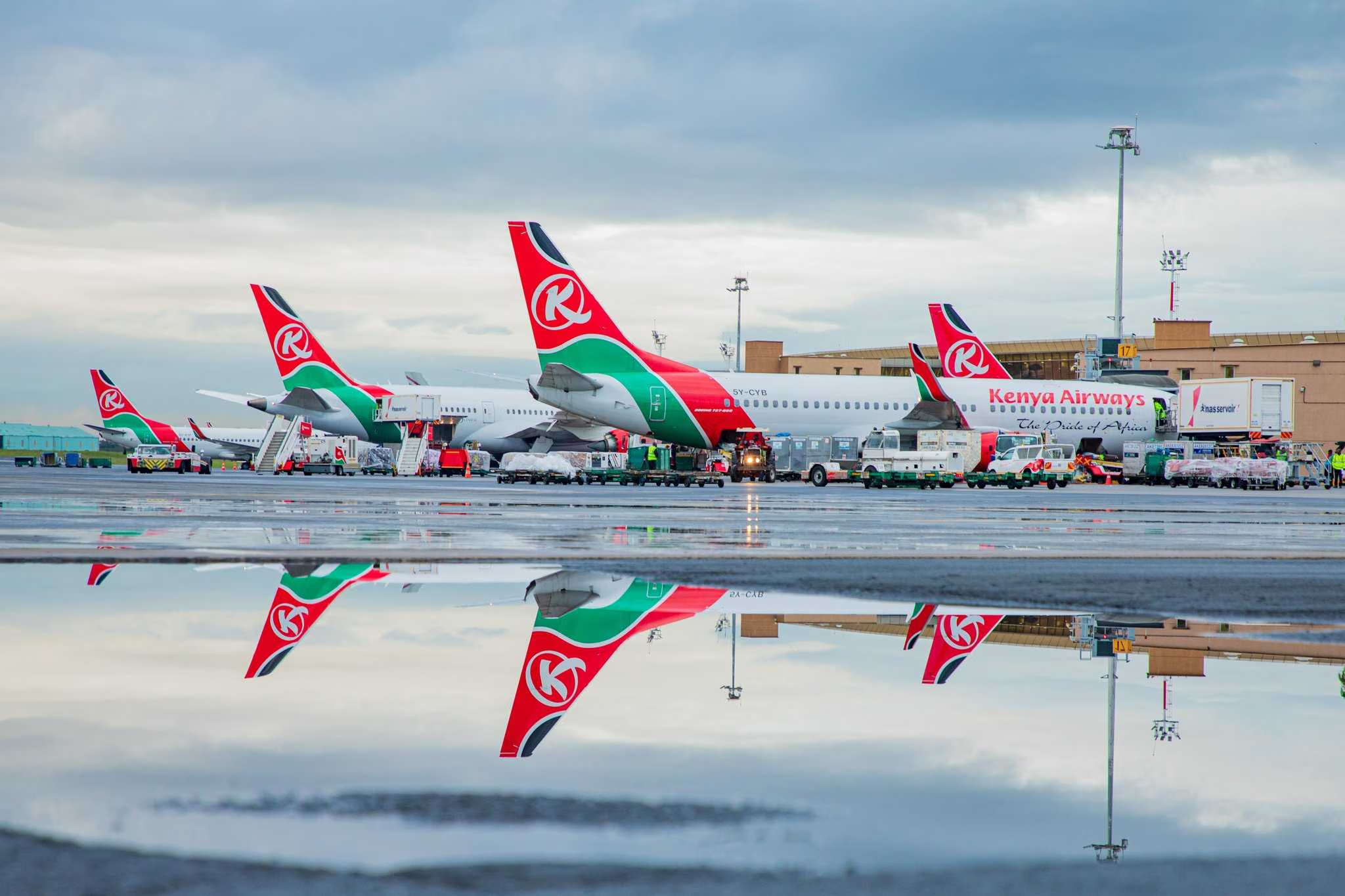
Kenya is experiencing some of these pressures firsthand. Recent changes to passenger service charges have increased the cost of air travel, while Kenya Airways has reported significant financial pressure from higher fuel costs, aircraft availability challenges and supply-chain disruptions.
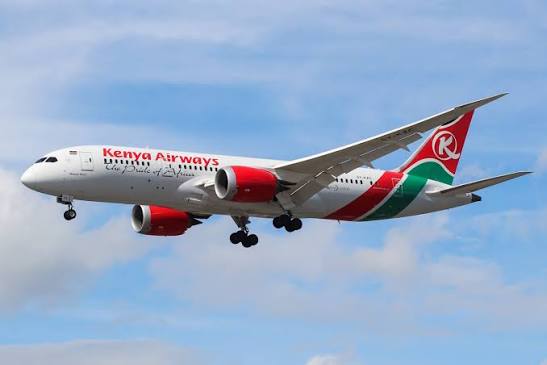
The Standard reports that the international passenger service charge was increased from $40 to $50, while the domestic charge rose from KSh500 to KSh600. Kenya Airways also reported that fuel accounted for about 53 per cent of its operating costs in the first half of 2026, underscoring the impact of energy prices on airline finances.
The cost pressures create a delicate balance for African aviation. Airlines need to remain financially sustainable, while governments also depend on aviation-related charges to fund airport infrastructure, aviation regulation, safety and tourism-related services.
For passengers and businesses, however, higher airline operating costs can ultimately translate into more expensive tickets and reduced route options. This could also affect tourism, trade and regional business travel if air connectivity becomes less affordable.
With passenger numbers rising rapidly, industry players are therefore pushing for reforms that would allow African airlines to convert growing demand into sustainable profitability rather than seeing much of the additional revenue absorbed by rising operating costs.
About the Author