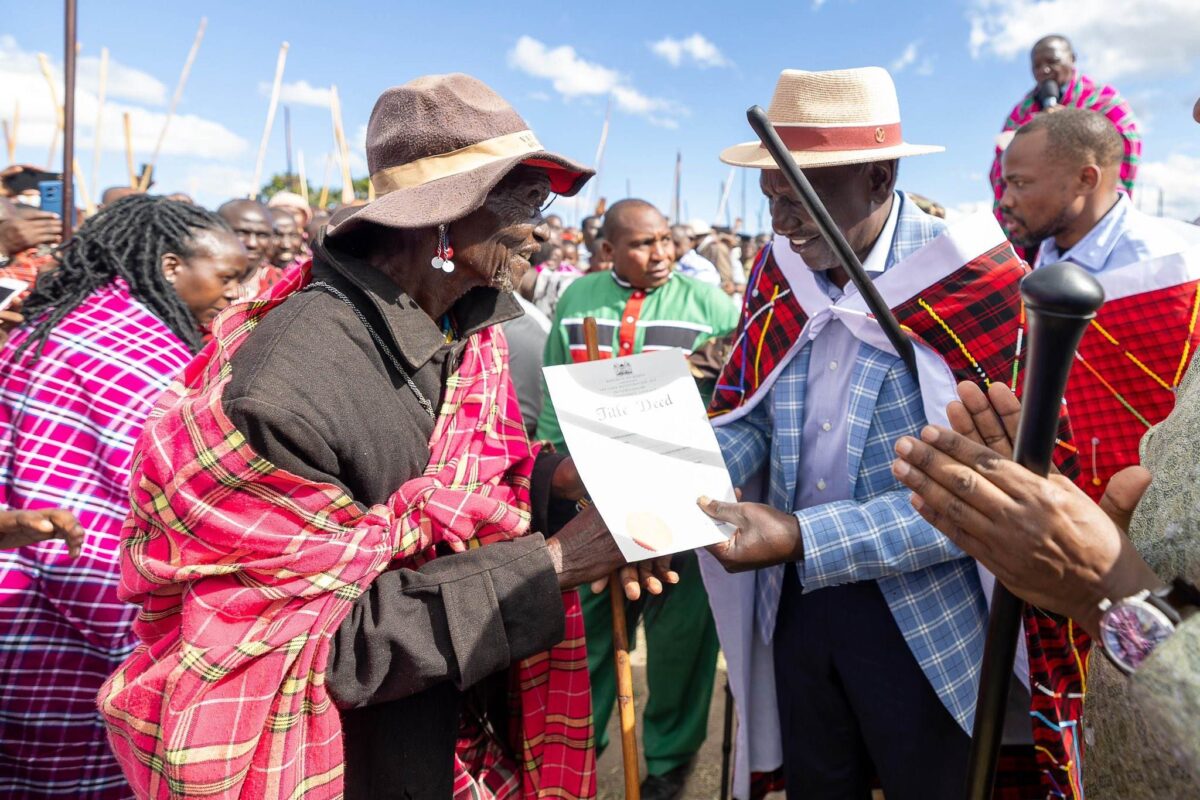
A Sh2.6 billion government compensation programme for Mau Forest evictees has triggered fresh controversy after families who say they were excluded demanded inclusion in the payments.
About 300 families are contesting their exclusion from the programme, according to the Kenya News Agency.
Narok Governor Patrick Ole Ntutu has urged affected families to use official channels while the government addresses the complaints.
The dispute escalated amid unrest in the area, including the torching of a local chief’s home.
What is the Sh2.6 billion for?
The compensation is intended for families affected by evictions from the Mau Forest complex.
The Mau has been at the centre of one of Kenya’s longest-running disputes involving environmental conservation, land ownership, settlement and politics.
Successive governments have argued that protecting the forest is essential because the ecosystem is one of Kenya’s most important water towers.
Evictees, meanwhile, have repeatedly raised questions about compensation, ownership documents and why some families were recognised while others were excluded.
Why are families complaining now?
The latest dispute centres on the beneficiary list.
Families left outside the compensation programme want the government to explain how beneficiaries were identified and why their own claims were rejected.
That makes transparency central to resolving the dispute.
A Sh2.6 billion programme needs a clear answer to several questions: How many households qualify? What does each receive? What verification process was used? What appeals mechanism exists for excluded families?
Why Mau remains politically sensitive
The forest dispute has repeatedly crossed into national politics because land questions in the Rift Valley intersect with ethnicity, conservation and historical settlement.
That makes unverified allegations particularly risky.
The current confirmed issue is narrower: a government compensation programme exists, roughly 300 families say they were left out, and officials say grievances should proceed through established channels.
How the government handles those appeals may determine whether the Sh2.6 billion programme resolves an old grievance or creates a new one.
About the Author