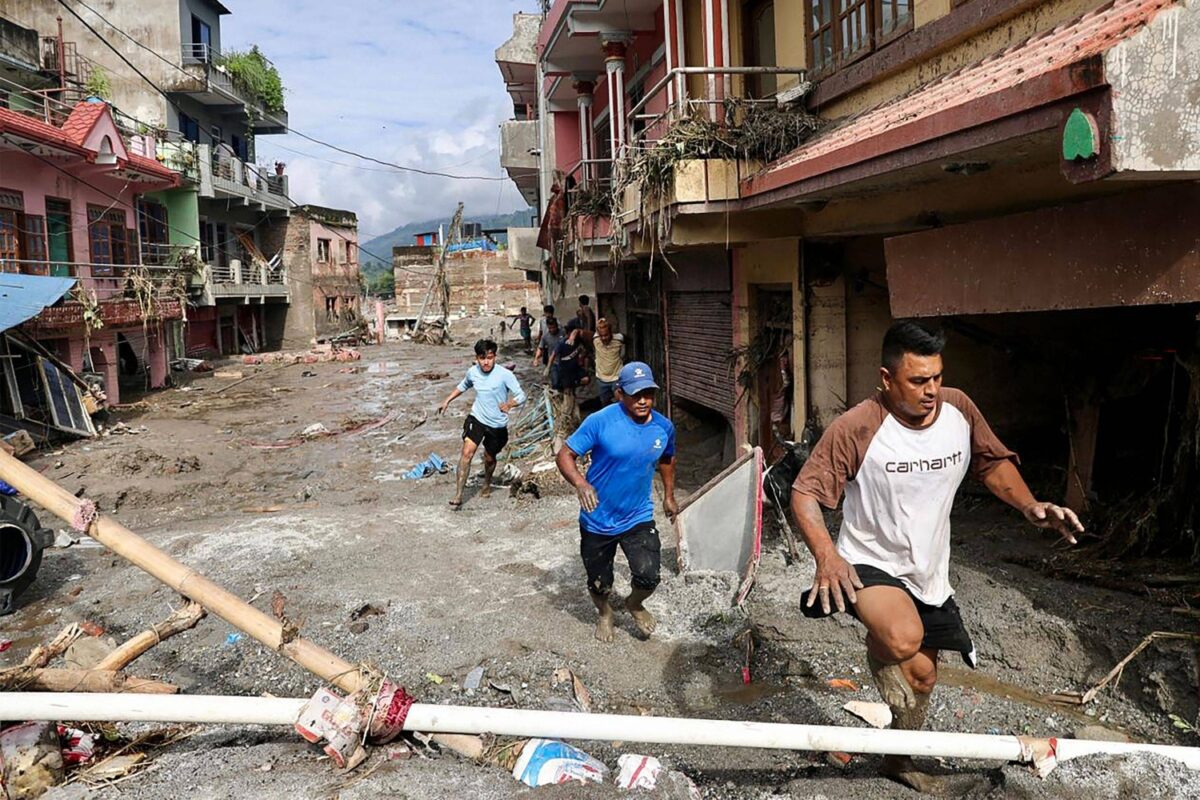
Nepal is preparing to seek millions of dollars from a United Nations climate fund after a new scientific assessment found that rising temperatures likely contributed to the chain of events behind last month’s deadly floods and landslides.
The government is expected to use the findings of a new World Weather Attribution study to support its request for funding from the UN Fund for Responding to Loss and Damage, which assists countries facing the effects of climate-related disasters.
The BBC reported that Nepal hopes to seek about $20 million from the fund.
The disaster struck on August 26 along Nepal’s border with China after a massive rock-and-ice avalanche from the Langtang Lirung mountain triggered a destructive debris flood.
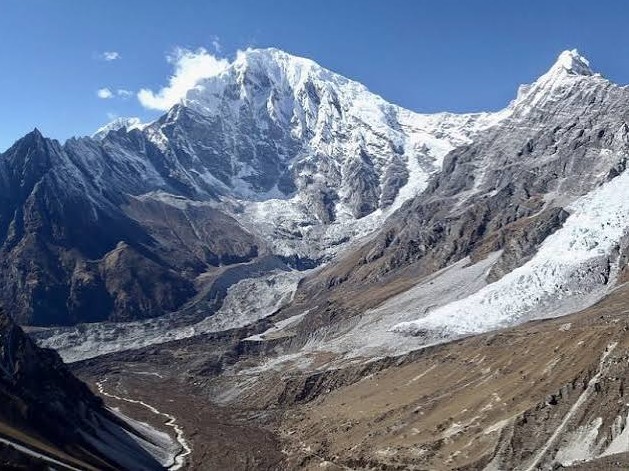
The latest assessment says the disaster was driven by several interacting factors. These included geological weaknesses, warming temperatures, melting glaciers and thawing permafrost. Researchers also said the 2015 earthquake in Nepal may have weakened the rock, although they could not establish how much it contributed to the latest collapse.
The researchers described climate change as a factor that may have destabilised an already vulnerable mountain system, rather than the fundamental cause of the collapse.
The study found that glaciers in the area have been losing mass for decades, while unusually warm conditions before the disaster increased snow and ice melt. It also found that the freezing level in the Himalayas has been rising over recent decades.
The scale of the disaster has left Nepal facing a major recovery effort. The World Weather Attribution assessment said that, as of September 14, more than 1,300 people had been confirmed dead in Nepal, while more than 5,000 remained missing. Thousands more were rescued or treated for injuries.
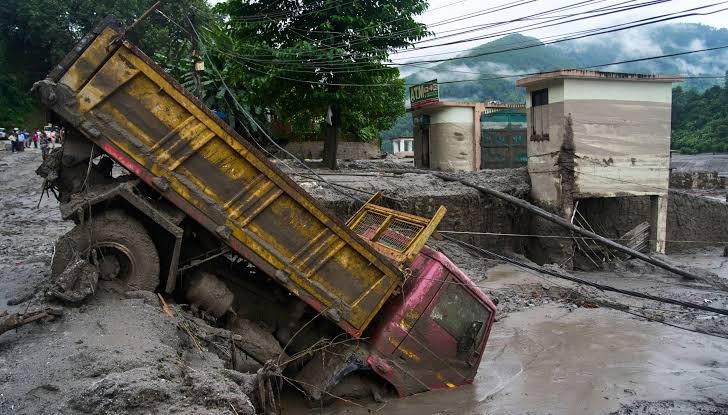
The flood swept through communities and infrastructure along the Trishuli River corridor, destroying homes, roads, bridges and hydropower facilities. Researchers said the torrent travelled rapidly downstream after the initial mountain collapse.
For Nepal, the scientific findings could strengthen its case for international assistance.
The Loss and Damage Fund was established to help vulnerable developing countries respond to the economic and non-economic consequences of climate change. Nepal has argued that it contributes little to global greenhouse gas emissions while remaining highly exposed to climate-related hazards.
The government’s request, however, will still have to go through the fund’s procedures before any money is released.
The new research is also subject to limitations. The World Weather Attribution analysis was released rapidly after the disaster and has not yet undergone conventional peer review for this specific study. The organisation says its methodology has been peer-reviewed and has been used in more than 100 rapid assessments of extreme weather events.
The findings therefore do not suggest that climate change alone caused the tragedy. Instead, they point to a combination of geological and climate-related conditions that increased the instability of an already vulnerable Himalayan landscape.
For communities still recovering from the disaster, the debate over its causes is closely tied to a more immediate question: how quickly international funding can reach those rebuilding their homes and livelihoods.
About the Author