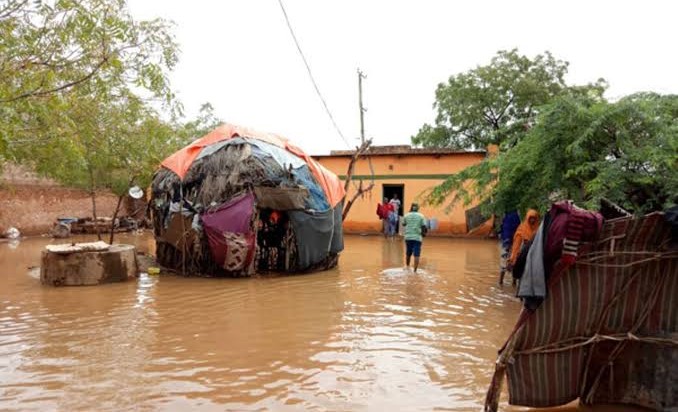
Wajir County is putting emergency measures in place ahead of forecast heavier rains, with officials warning that flooding could cut off communities, damage infrastructure and increase the spread of disease.
The county government has begun clearing roads and drainage channels and plans to vaccinate livestock before the rains arrive.
The preparations come as the Wajir County Steering Group brings together county and national officials, meteorologists, the National Drought Management Authority, the Kenya Red Cross Society and other emergency agencies to assess the risks.
Their first flood-risk meeting on Tuesday focused on areas most likely to be affected and how to protect people, livestock, roads and livelihoods.
Officials focus on roads and drainage
Wajir’s disaster management director, Abdikadir Hussein, said officials had mapped vulnerable areas and were working on measures that could reduce the impact of the rains.
“We have identified our vulnerabilities, the risk areas, as well as the needs and activities that we need to undertake before the rainfall,” he said.

Road access is a particular concern in the largely pastoralist county. Officials want key routes to remain open so that food, medicine and emergency assistance can reach communities if flooding occurs.
Hussein said the county was also clearing blocked drains in Wajir Municipality.
“We are looking at making sure our roads are passable. We are also putting measures in place to unclog the drainage systems within Wajir Municipality,” he said.
The county expects some communities to become difficult to reach if heavy rain overwhelms roads and drainage systems.
Livestock disease raises concern
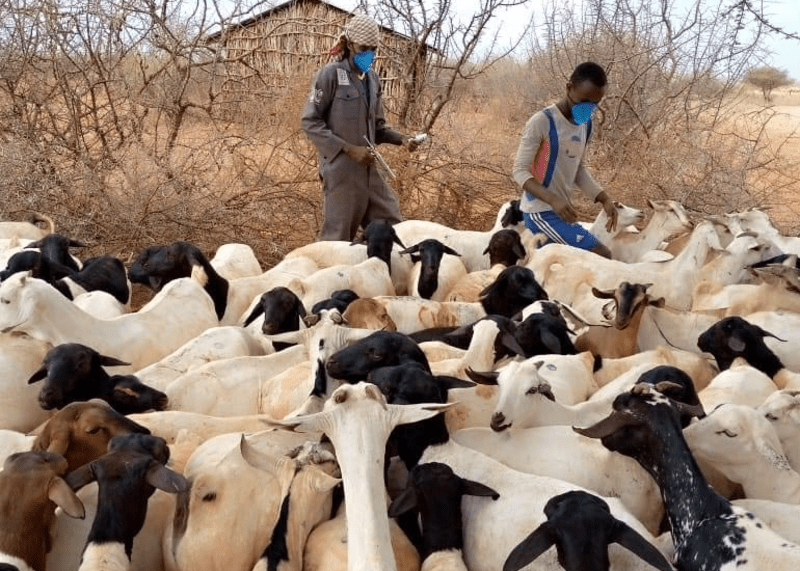
For pastoralist families, the threat is not limited to flooded roads and damaged buildings.
Officials are also preparing for a possible rise in livestock and mosquito-borne diseases. Hussein said Rift Valley fever was among the main concerns.
“Wajir is a livestock county, and our major risk during enhanced rainfall is an outbreak of vector-borne diseases, especially Rift Valley fever, which affects animals but can also spread to humans,” he said.
The county plans to vaccinate animals before the rains and stock health facilities with medical supplies.
Food and other emergency items are also being positioned in advance.
“We are looking at vaccinating our animals before the rainy season. We are also looking at per-positioning food and other essential supplies, as well as ensuring emergency medical supplies are available in our hospitals before the forecaster rains,” Hussein said.
Meteorologists caution against 1997 comparison
Daniel Wanjuhi, the county director of meteorological services, said Wajir should expect enhanced rainfall between October and December.
But he cautioned against assuming the coming season would resemble the El Niño rains of 1997, which caused severe flooding across parts of Kenya and East Africa.
“We are expecting enhanced rainfall in Wajir between October and December. However, people should not expect rainfall of the same magnitude as what happened in 1997,” Wanjuhi said.
The warning comes as county authorities try to balance preparedness with the need to avoid unnecessary alarm.
Omar Abdi, the NDMA’s Wajir county coordinator, said officials had assessed the possible effects on livestock, agriculture, water, health, nutrition, humanitarian operations and transport.
“We looked at the possible impacts on each of these sectors and established there could be adverse effects on transportation, as well as an increased incidence of diseases affecting both livestock and the human population in Wajir,” he said.
Red Cross moves from monitoring to action
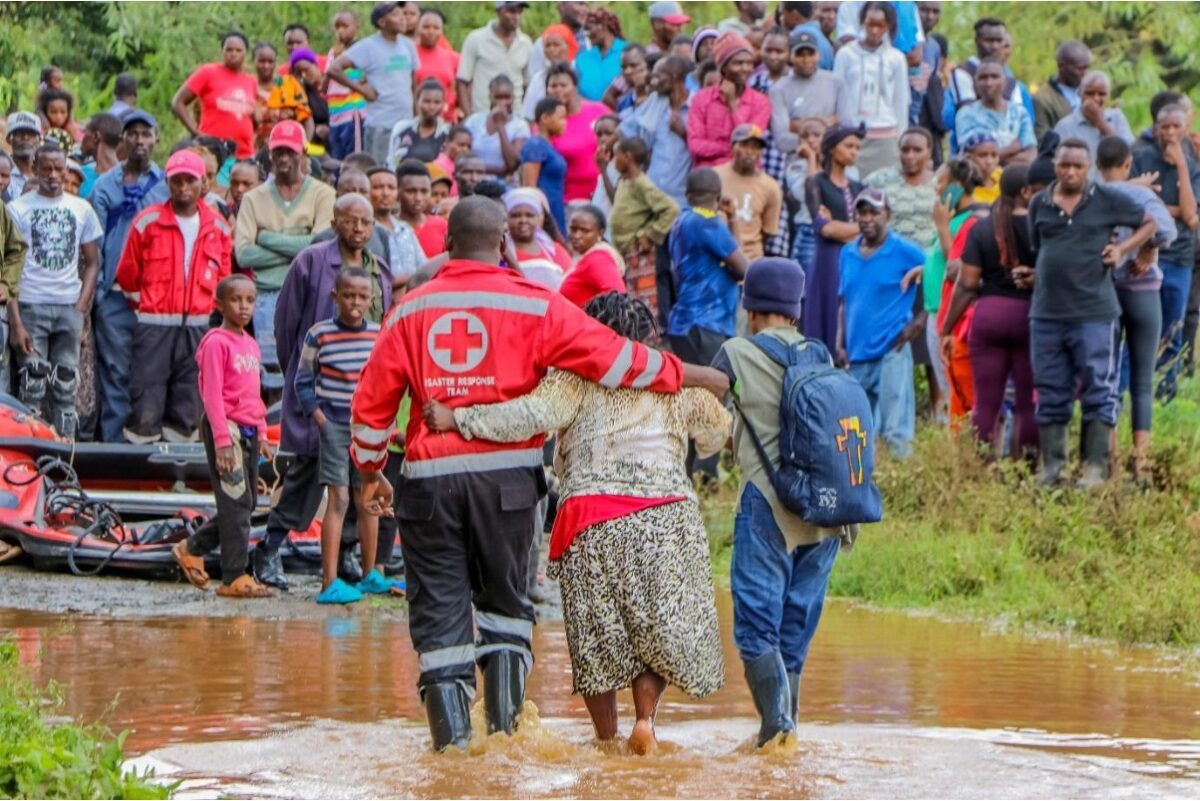
The Kenya Red Cross has begun moving supplies closer to areas considered vulnerable to flooding.
Suleiman Saney, the organisation’s Wajir county coordinator, said volunteers had been mobilised across the county’s six sub-counties and flood-prone areas were being mapped.
“We have ensured we are adequately prepared by per-positioning essential supplies at identified hotspots,” Saney said.
Community warning systems are also being strengthened so residents can receive information before conditions worsen.
Abdi said the expected rains could disrupt food deliveries into the county. He said officials were therefore planning to stock essential commodities before roads became difficult to use.
“There is also a possibility that major food commodities may not reach Wajir. We therefore need to think about how we can pre-position these essential items well ahead of the rainy season,” he said.
He said the rains were expected to begin around the third week of October and could ease in the first or second week of December.
Residents have been advised to clear drainage channels near their homes, protect wells from contaminated water, reinforce house foundations and secure roof gutters.
For Wajir, the preparations are aimed at preventing a difficult rainy season from becoming a wider humanitarian emergency.
About the Author