
Nairobi’s rivers are set for another major restoration push as the government seeks to curb pollution, improve waste management and protect increasingly threatened riparian areas.
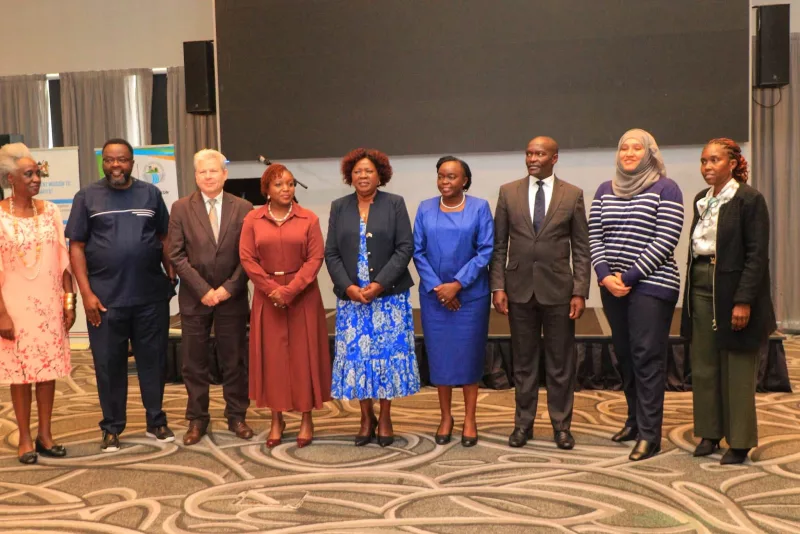
Environment, Climate Change and Forestry Cabinet Secretary Deborah Barasa and Lands, Public Works, Housing and Urban Development Cabinet Secretary Alice Wahome brought together development partners, diplomats and government officials for a roundtable on the Nairobi Rivers Regeneration Program.
The meeting was aimed at strengthening cooperation and attracting resources for the long-running effort to restore the city’s river system.
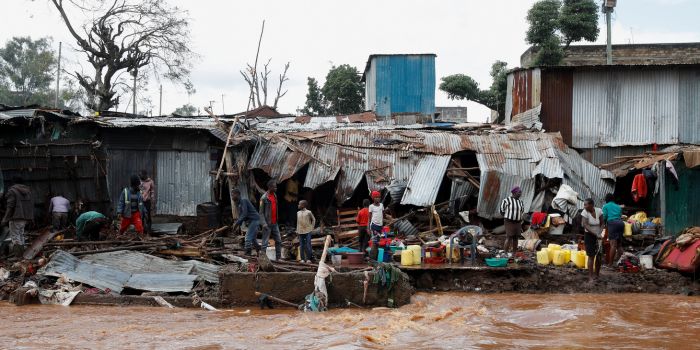
The challenge is substantial. Official environmental assessments have documented pollution from solid waste, sewage and industrial effluent, as well as settlements and businesses occupying parts of the river reserves.
A river system under pressure
For years, Nairobi’s rivers have carried more than water.
Household waste, untreated wastewater and industrial discharges have contributed to the deterioration of the Nairobi, Ngong and Mathare river systems. Government environmental documents have also identified encroachment into riparian areas as a major concern.
Barasa said the rivers should not be treated as dumping grounds. Instead, she wants them restored as clean public spaces that can support communities, protect ecosystems and improve life in the capital.
She said the ministry was working with partners on waste management, protection of riparian areas and practical measures to restore degraded sections of the river system.
The goal, she said, extends beyond removing rubbish from the water.
It includes improving public health, creating green spaces and restoring the wider ecosystems around the rivers.
Sewage and waste remain central problems
Cleaning the river will be difficult without addressing what flows into it.
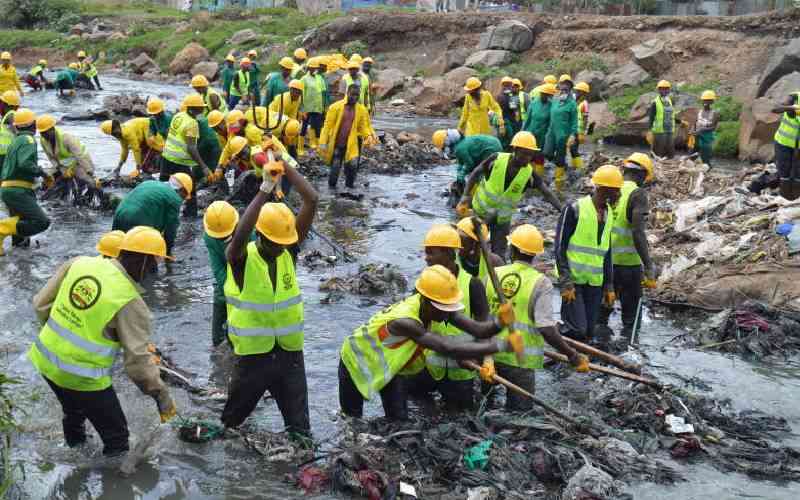
A recent National Environment Management Authority assessment described Nairobi’s surface streams as heavily affected by domestic and industrial effluent and solid waste. It also identified inadequate waste collection as a continuing challenge in the city.
The government has previously announced large investments in sewer infrastructure as part of the regeneration programme.
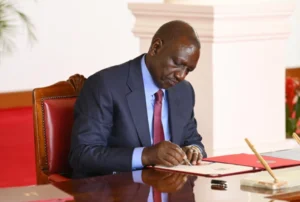
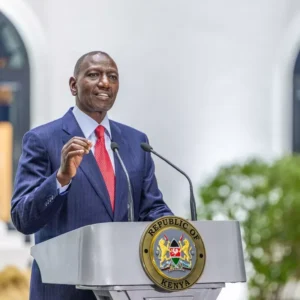
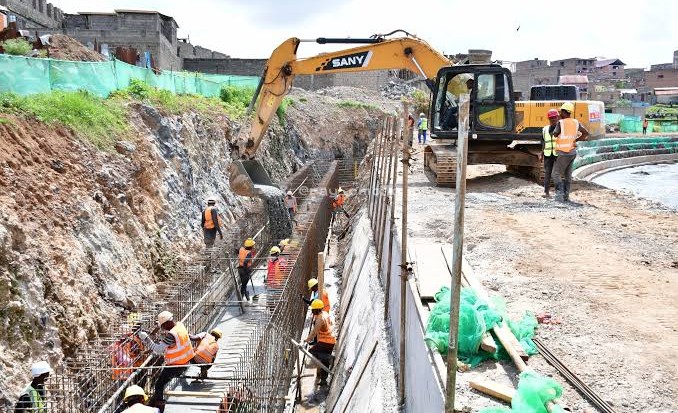
In 2025, President William Ruto launched a KSh50 billion Nairobi River Regeneration and Engineering Works Program, which included river rehabilitation, sewer infrastructure, flood mitigation and waste management.
The national government has since outlined additional spending on trunk sewers, wastewater treatment, last-mile sewer connections and solid-waste facilities in Nairobi.
The difficult question of riparian land
Restoring the rivers also raises a more complicated issue: what happens to people and businesses occupying land along their banks?
The government has previously ordered the removal of settlements from designated riparian corridors, particularly in areas considered vulnerable to flooding. It has also linked the regeneration program to social housing and other public infrastructure.
That approach has the potential to improve river protection, but it also makes community engagement important.
For residents who have lived or operated businesses along the river for years, relocation can affect homes, livelihoods and access to services.
Any sustained restoration effort will therefore depend not only on enforcement but also on clear information, proper planning and meaningful engagement with affected communities.
Suggested image: Homes, businesses or informal settlements close to a Nairobi river, preferably photographed from a distance to show the relationship between development and the river corridor.
Can Nairobi’s rivers become public spaces?
The government is now presenting the regeneration programme as something larger than a cleanup exercise.
The vision is of rivers surrounded by greener, safer public spaces while improved sewerage and waste systems reduce the pollution entering the waterways.
There are already community-based efforts aimed at involving young people, schools and local groups in monitoring and restoring streams within the Nairobi River Basin. NEMA’s Adopt-a-River initiative is one such program.
But the success of the latest push will ultimately be measured by what happens beyond official meetings and clean-up campaigns.
Cleaner rivers will require reliable waste collection, functioning sewer systems, protection of riparian land and consistent enforcement of environmental rules.
For Nairobi residents, the real test will be simple: whether the rivers remain clean long after the cameras and clean-up teams have left.
About the Author