For millions of Kenyans, getting sick has long carried a second worry: how to pay the bill.
Those without medical cover have often had to turn to relatives, friends or savings to pay for treatment. Kenya’s move to replace the National Hospital Insurance Fund with the Social Health Authority was meant to change that.
But the reform did more than overhaul the way healthcare is financed. It also exposed how political power can determine whether a major policy survives the journey from an idea to law.
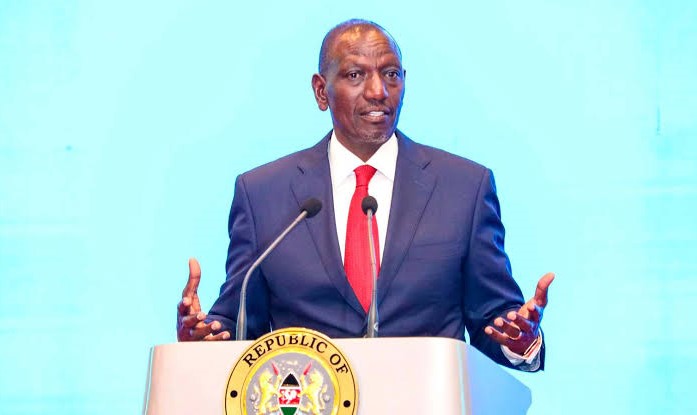
President William Ruto’s administration pushed the Social Health Insurance Act through Parliament in 2023, replacing the NHIF, which had operated since 1966. The new system requires people to register with the Social Health Authority and provides for contributions to the Social Health Insurance Fund.
The contribution for salaried workers is set at 2.75 per cent of gross salary. For households outside formal employment, regulations provide for a 2.75 per cent contribution based on household income, subject to a minimum monthly payment.
The reform was controversial from the beginning.
Critics challenged the legislation in court, arguing, among other things, that the process had not allowed sufficient public participation and that some provisions placed unacceptable limits on constitutional rights.
In July 2024, the High Court agreed that the legislation had been enacted without adequate public participation. It ordered Parliament to undertake fresh participation and amend the laws.
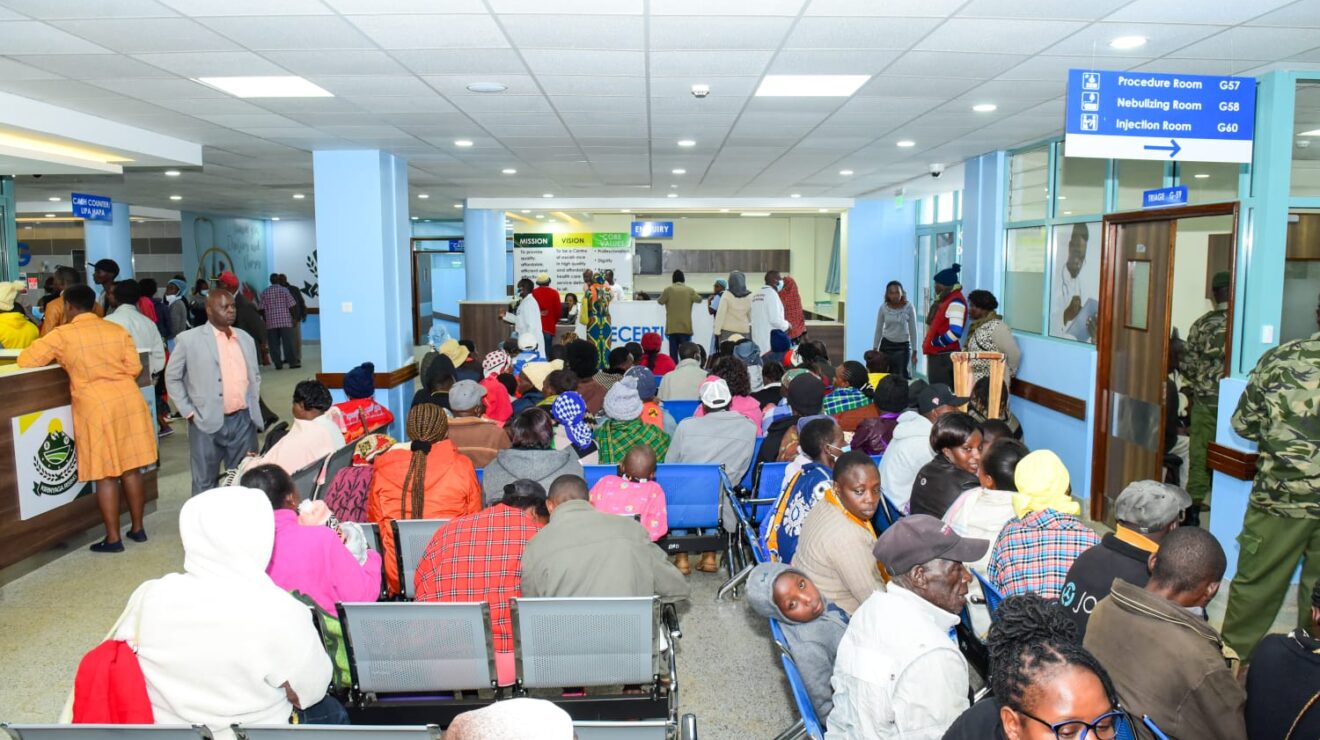
The government appealed. In September 2024, the Court of Appeal suspended the effect of the High Court’s declaration, allowing implementation to proceed. The Social Health Authority began its national rollout on October 1, 2024.
The legal battle has not been the only challenge.
The politics behind the reform are equally revealing.
A reform Kenya had tried before
Kenya’s ambition to build a broader health insurance system did not begin with Mr Ruto.
In 2004, then Health Minister Charity Ngilu championed a National Social Health Insurance Bill. It sought to expand insurance coverage and pool contributions to reduce the burden of paying directly for medical care.
President Mwai Kibaki ultimately refused to sign the Bill.
Academic research on that earlier attempt found that the proposal faced resistance from powerful institutions, including the Treasury and parts of the private health sector. Kibaki’s lack of political backing proved decisive.
Nearly two decades later, the same basic ambition returned under Mr Ruto.
This time, it passed.
Why?
That is the question examined in research by Zil Audi-Poquillon, a PhD candidate in health policy and health economics at the London School of Economics and Political Science.
For the study, Ms Audi-Poquillon interviewed 48 people involved in the formulation or review of the 2004 and 2023 reforms. They included government officials, presidential advisers, insurers, health ministry officials, civil society representatives and development agencies.
Her conclusion is that the health crisis itself had not changed enough to explain the difference.
The politics had.
Power moved to the presidency
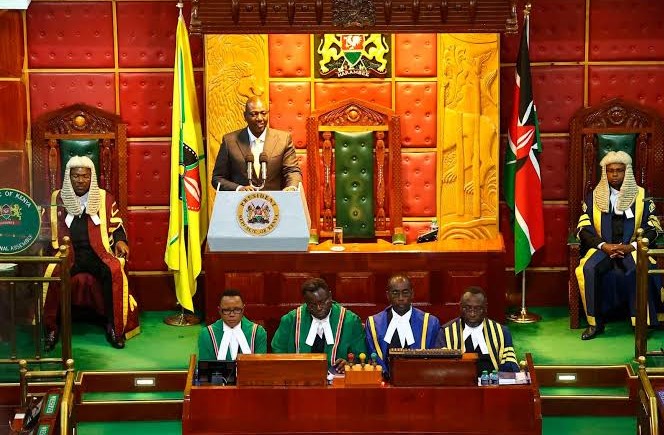
The first major difference, according to the research, was where the reform was being driven from.
In 2004, the initiative was largely associated with the Health Ministry. In 2023, it was driven from the presidency.
That gave the reform political protection and allowed the government to move more quickly through institutions that might otherwise have slowed or altered it.
Parliamentary scrutiny was compressed, the study says, while the government chose to abolish the NHIF rather than overhaul it.
The result was a reform that moved from proposal to legislation in a matter of weeks.
That speed, however, came with a cost.
The High Court later found that the legislative process had failed to meet constitutional requirements for meaningful public participation.
The court’s decision did not end the reform. The Court of Appeal’s stay allowed the government to proceed while the constitutional dispute remained before the courts.
Former opponents found room in the new system
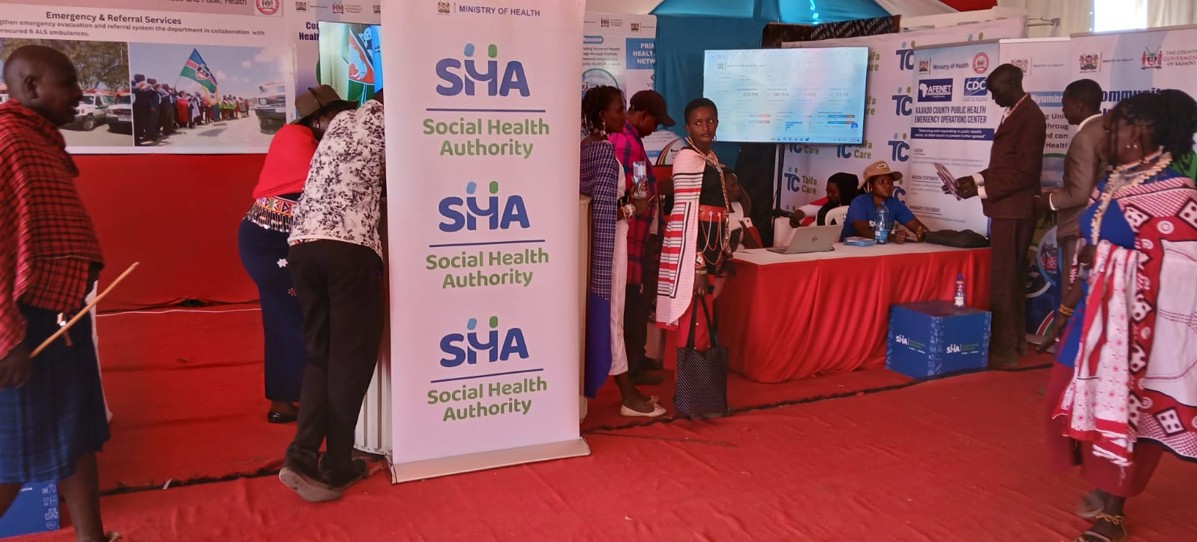
The second factor was a change among some of the groups that had resisted the earlier reform.
Employers, private insurers and other influential players had reasons to be more accepting of the 2023 model, the research found.
Employers, for example, were not required to match their workers’ contributions as they had feared under the earlier proposal.
Private insurers also retained a role. Rather than being pushed out by a state scheme, they could provide additional cover beyond what the public system offered.
That altered the political equation.
A reform that had once threatened several powerful interests now offered fewer reasons for them to fight it outright.
Selling the reform as a cause
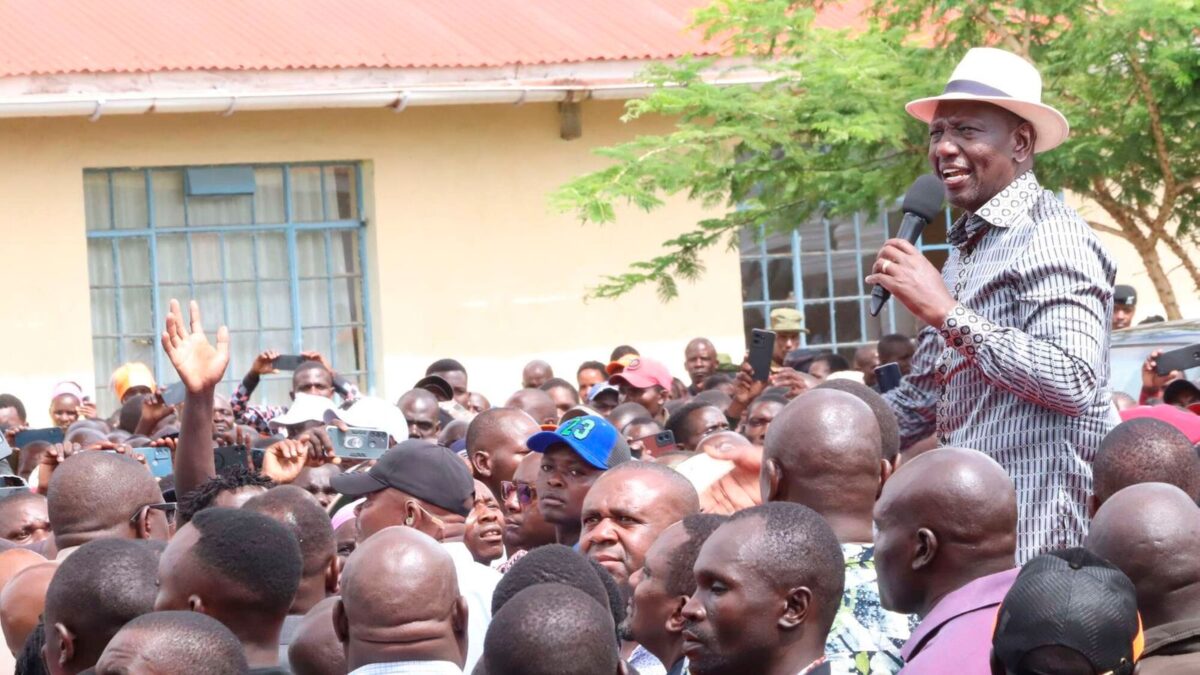
The third factor was the language used to explain the reform.
President Ruto presented the old health insurance system as one in which the “poor subsidised the rich”. He also accused opponents of being “cartels” benefiting from a broken system.
The reform was framed as a programme for ordinary Kenyan, particularly the voters Mr Ruto had courted as the “hustlers”.
That framing made criticism politically harder.
Opposition to the contribution rate, concerns over the legislative process or objections from institutions could be portrayed as resistance to a programme intended to help poorer Kenyans.
Yet there were substantive objections.
Critics questioned the affordability of the 2.75 per cent contribution. Others challenged the speed of the legislative process and the quality of public participation.
The High Court ultimately agreed that the public participation process had been inadequate
The reform is now a work in progress
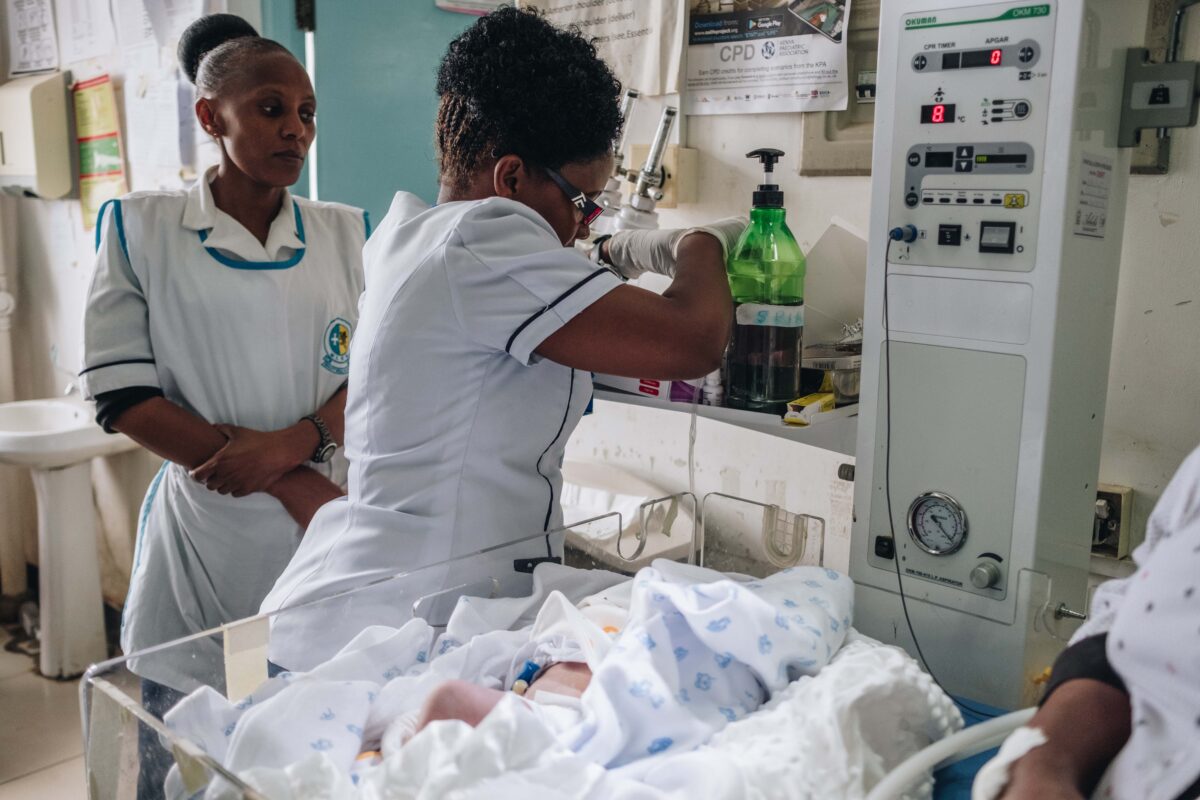
The political strategy that helped the reform become law should not be confused with proof that the system has succeeded.
The research makes that distinction explicitly. It examined the design and passage of the reform, not its performance after implementation.
There have since been signs of expansion.
Kenya’s Health Ministry said in August 2026 that more than 32.3 million people had been covered under the new system. In January, the ministry reported that more than 29 million people had registered and that KSh93.4 billion had been disbursed.
These are government figures and have not, by themselves, settled wider questions about the quality, affordability or reliability of care.
The government has also acknowledged continuing problems. In April 2026, Health Cabinet Secretary Aden Duale told the Senate that the government was allocating KSh4 billion towards verified claims owed by the defunct NHIF, while the SHA had recorded a 74 per cent claims settlement rate.
That matters because the central promise of universal health coverage is not simply registration.
It is financial protection when people need treatment.
The World Health Organisation says out-of-pocket payments continue to impose a heavy burden across Africa. Its latest regional analysis estimates that about 385 million people in Africa are pushed into or deeper into poverty each year because of direct health payments.
Kenya’s reform is therefore addressing a genuine problem.
But the manner in which it was introduced raises a different question: can a government move quickly enough to solve a longstanding problem without weakening the institutions meant to scruinise its decisions?
That tension is likely to remain at the heart of Kenya’s health debate.
A reform can be politically successful and still face questions about legitimacy, affordability and implementation.
For ordinary Kenyans, however, the final test is simpler.
When illness comes, can they get the care they need without being pushed into financial distress?
About the Author