President William Ruto has defended the right of Kenyans to protest, saying the Gen Z-led demonstrations of 2024 were a demand to be heard rather than an attack on democracy.
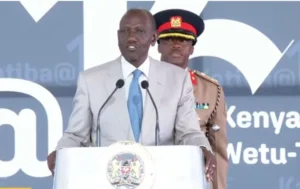
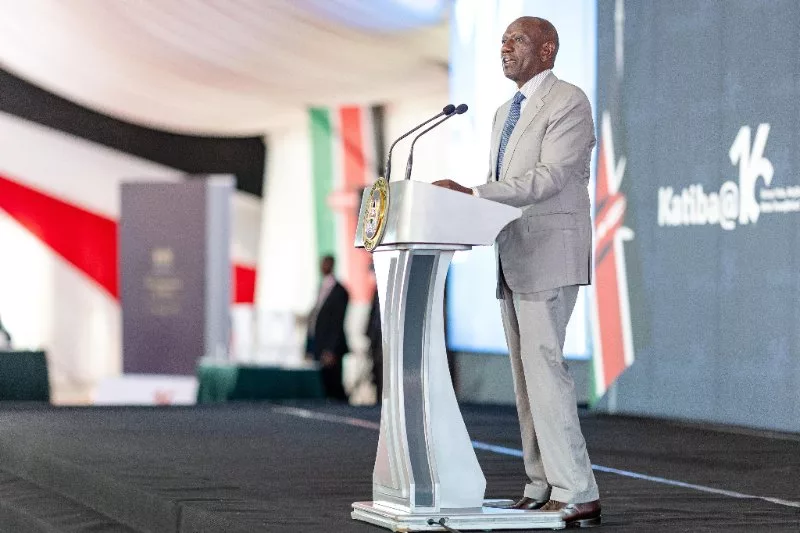
Speaking at the 16th Katiba Day Symposium at the Kenyatta International Convention Centre in Nairobi on Thursday, President Ruto said young Kenyans had used their constitutional freedoms to demand accountability, better government and a greater say in the country’s future.
“Their message was clear: they wanted to be heard,” he said.
The protests began in June 2024 after the government introduced the Finance Bill, which proposed a range of new taxes. Young Kenyans organised largely through social media, with demonstrations spreading across the country.
The protests grew after Parliament passed the Bill on June 25. Demonstrators entered the parliamentary complex, while the movement expanded beyond opposition to the tax proposals to broader concerns over governance, accountability and police conduct.
PresidentRuto later withdrew the Bill.
At today’s event, he said peaceful demonstrations and criticism were an important part of democratic life.
“Those demands were not an assault on democracy,” he said. “Peaceful protest, criticism, and dissent are essential to democracy.”
But he also drew a line between peaceful protest and criminal acts.
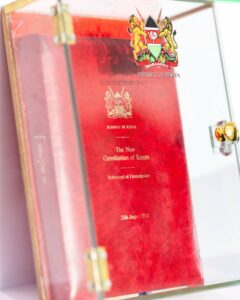
He cited Article 37 of the Constitution, which protects the right to assemble, demonstrate, picket and petition public authorities peacefully and without weapons.
“That protection must be real,” President Ruto said. He added that no Kenyan should lose their life, liberty or dignity simply for criticising the government or taking part in a peaceful demonstration.
The President also acknowledged the darker legacy of the protests. Some families lost loved ones, while allegations were made of unlawful arrests, enforced disappearances and excessive use of force.
“We cannot honour the Constitution by looking away from such allegations,” he said.
President Ruto called for credible allegations of human rights abuses to be independently and transparently investigated. Those found responsible, he said, should face the law.
At the same time, he argued that constitutional rights did not protect violence, looting, arson or the destruction of property.
“We must neither criminalise an entire protest because of the actions of a few nor legitimise criminal conduct merely because it occurs in the course of a protest,” he said.
His remarks sought to frame the debate as one of balance: protecting citizens’ right to dissent while maintaining public order and safeguarding democratic institutions.
“Government belongs to the people. Parliament belongs to the people. The courts belong to the people,” President Ruto said.
He said Kenya’s challenge was not to choose between freedom and order, but to ensure that both could exist within the Constitution.
About the Author