
Hundreds of candidates could sit their national examinations away from their schools if heavy rains make some centres inaccessible, the Ministry of Education has warned.
The warning comes as Kenya prepares for a potentially wetter-than-usual October–December season. Recent forecasts indicate that El Niño conditions could contribute to increased rainfall, raising the risk of flooding and disruption in vulnerable parts of the country. Kenya’s Meteorological Department has also stressed that seasonal forecasts are intended to help authorities prepare early for weather-related risks.
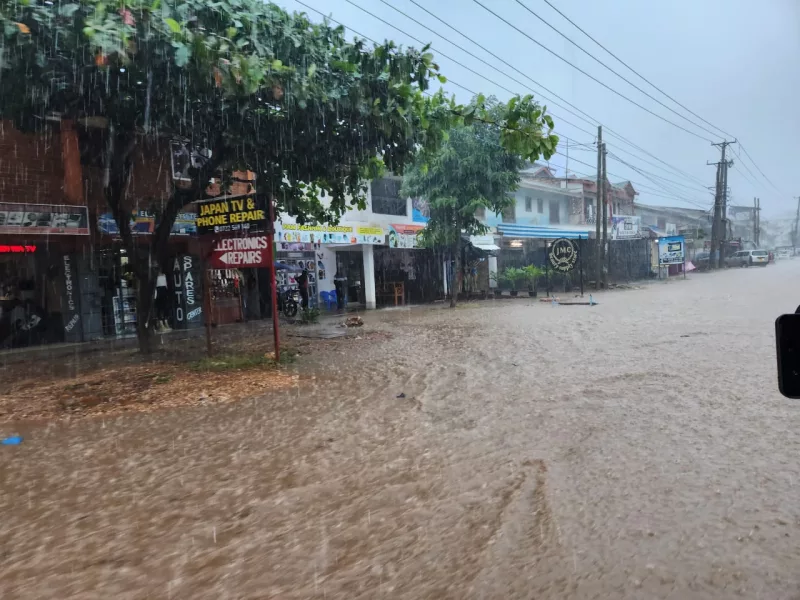
The timing is a concern for schools. The rains are expected to overlap with the national examination period, putting pressure on transport networks and schools in areas that are frequently cut off by floods.
Some Centres May Become Inaccessible
Education officials are considering moving candidates from centres that could become difficult or impossible to reach.
“We may be forced to close some exam centres,” Dr Kanyi Gioko, Director of Administration at the Ministry of Education, said.
He stressed, however, that the examinations would continue as scheduled. The ministry is considering alternative ways of delivering examination materials, including helicopters and drones in areas where roads may be impassable.
The 2026 examination cycle includes the Kenya Primary School Education Assessment, Kenya Junior School Education Assessment and Kenya Certificate of Secondary Education. The Ministry of Education has already begun preparations for the three assessments and examinations.
The biggest concern is in parts of northern Kenya, where heavy rain can quickly cut off roads and disrupt supplies.
Gioko urged schools to prepare food stocks in advance. In places such as Wajir, he said, schools could also adjust daily schedules to allow pupils to arrive and leave before the heaviest rainfall.
Forecast Raises Flood Concerns
Kenya’s weather outlook points to significant regional variations, rather than uniform rainfall across the country.
The Kenya Meteorological Department’s 2026 climate outlook has highlighted the growing possibility of El Niño later in the year. Its annual climate report said the probability of El Niño increased through 2026, although long-range forecasts carry greater uncertainty.
The Indian Ocean Dipole is another factor being watched closely. A positive phase can influence rainfall over East Africa, potentially increasing the risk of heavy rain in some areas.
That combination has prompted officials to focus on early preparation, particularly in flood-prone communities.
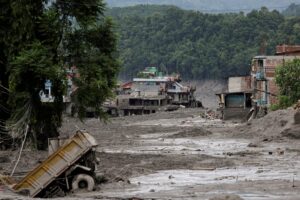
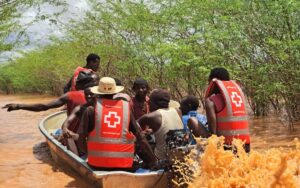
Kenya has experienced the consequences before. El Niño-linked floods in 2023 affected large parts of the country, cutting roads, damaging infrastructure and disrupting communities. Recent government warnings have again urged vulnerable counties to prepare before the rains intensify.
Schools Told to Prepare Early
For schools, the priority is keeping candidates safe without interrupting the examination timetable.
That could mean relocating candidates, changing transport arrangements or finding alternative routes for examination materials.
The Meteorological Department says its seasonal forecasts are designed to support early action across sectors, including education, transport and disaster management.
Officials have also cautioned that rainfall forecasts can change as the season approaches. More detailed weekly and monthly forecasts will therefore be important for schools and education officials deciding where additional measures are needed.
For thousands of candidates preparing for national examinations, the message is straightforward: the exams are expected to proceed, but where and how some students sit them may depend on the weather.
About the Author