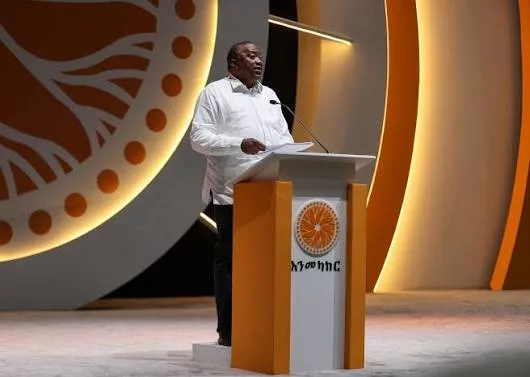
Former Kenyan President Uhuru Kenyatta used the closing ceremony of Ethiopia’s national dialogue to praise the country’s history, cultural diversity and resilience, while urging Ethiopians to see their differences as a source of strength.
Speaking on Saturday at the Addis International Convention Centre, Kenyatta described Ethiopia as more than a modern state. He called it an ancient civilisation whose history continues to shape Africa.
“I stand before you as a friend of Ethiopia, a country that has become to me a friend and a second home,” Kenyatta said.
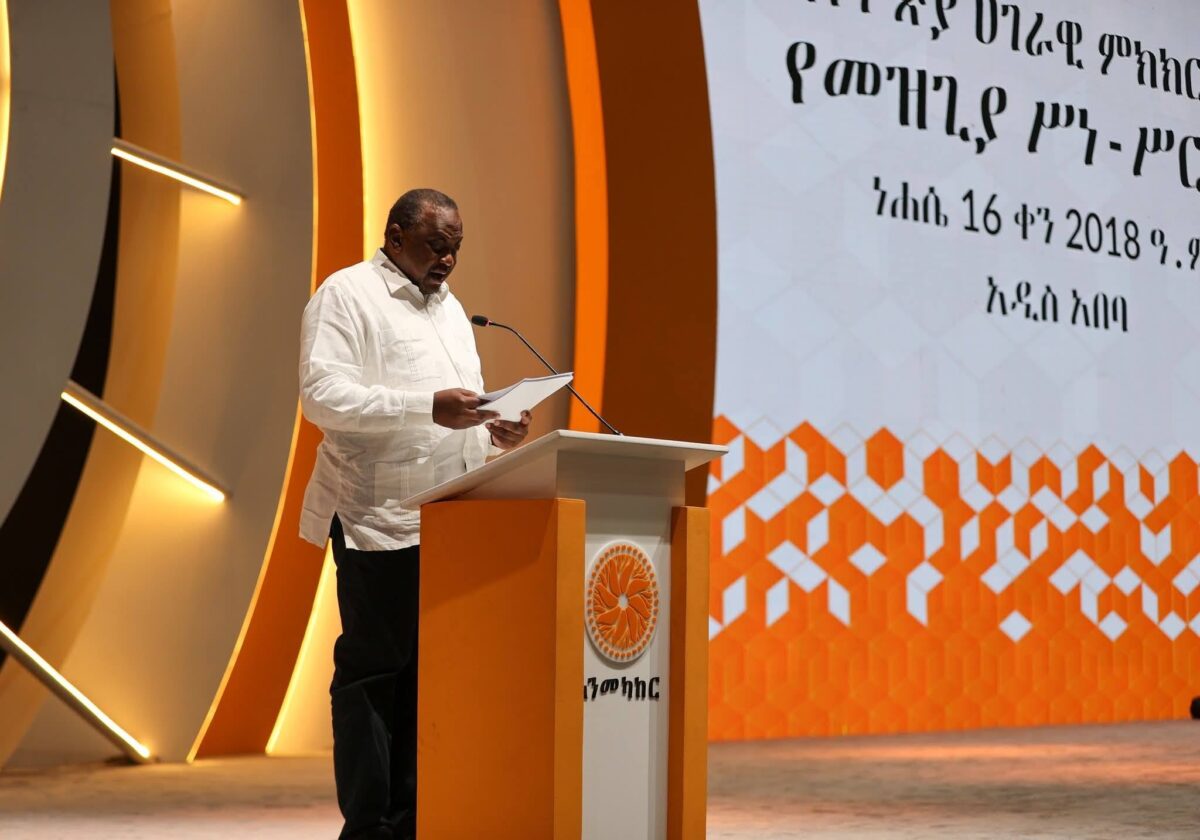
Kenyatta said an outsider can sometimes help people appreciate things that have become familiar to them.
He pointed to Ethiopia’s many communities, cultures and traditions as part of the country’s enduring identity.
“Ethiopia is not just an African State, Ethiopia is an ancient African civilisation,” he said.
He referred to several parts of the country, including Tigray and Oromia, while highlighting the histories and traditions associated with their communities.
Kenyatta also singled out the Oromo Gadaa system, an indigenous system of governance, as an important part of Ethiopia’s heritage. His remarks echoed calls for greater recognition of indigenous African institutions and traditions.
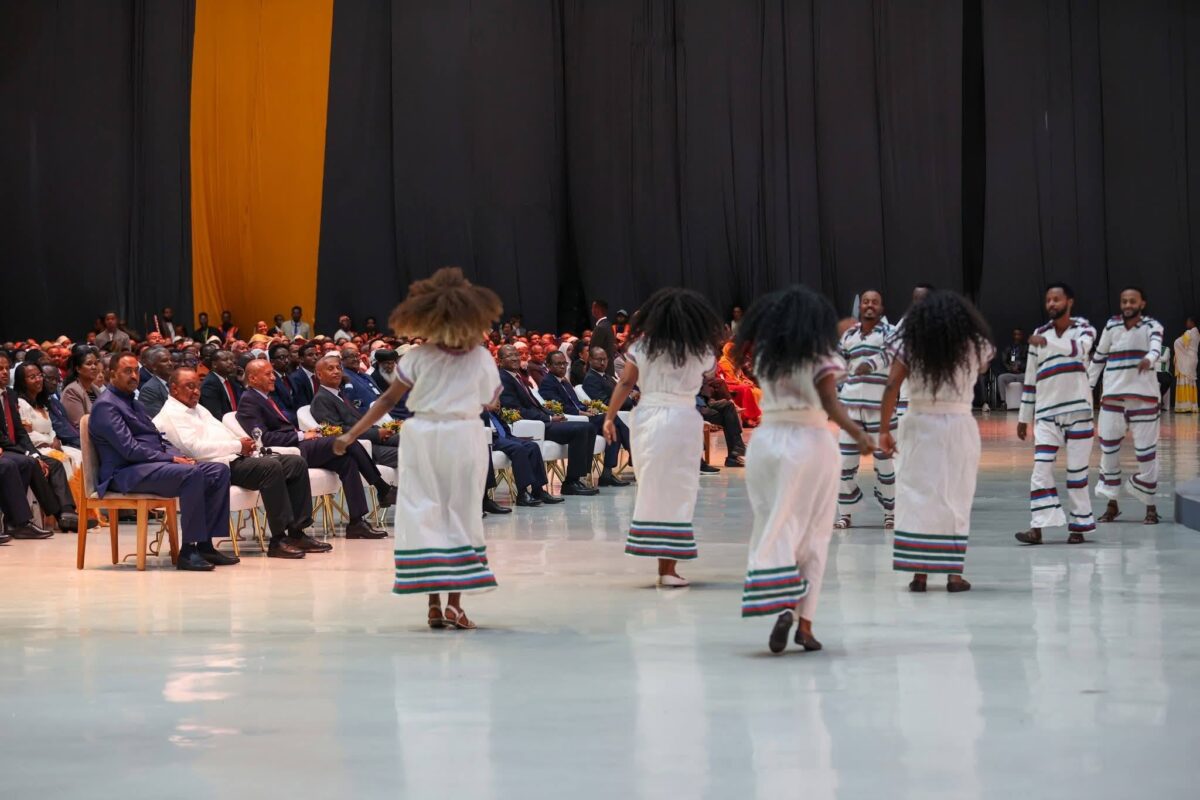
A dialogue shaped by Ethiopia’s divisions
Kenyatta’s remarks came as Ethiopia concluded a national dialogue process that brought together about 4,000 participants from different sections of society, including regional constituencies, political parties, religious institutions, civil society groups, women, young people and members of the diaspora.
The conference opened on July 15 and moved into substantive discussions on eight national agenda areas. These included state-building and national identity, the structure of government and federalism, the status of federal cities, religious and cultural affairs, institutional development, human rights and the rule of law.
The process was intended to give Ethiopians a forum to address long-running political, social and historical differences through dialogue.
Kenyatta congratulated those involved in the process and praised the Ethiopian National Dialogue Commission for bringing together thousands of voices.
He also recalled Ethiopia’s historical importance to Africa, including the 1896 Battle of Adwa, when Ethiopian forces defeated invading Italian troops.
“Adwa is Ethiopian history, but it is also African history,” he said.
From discussion to implementation
The conference’s conclusion marks the end of the main deliberative stage, but it does not by itself resolve Ethiopia’s political and social disputes.
The National Dialogue Commission said participants had produced recommendations after weeks of discussions. Some issues were resolved relatively easily, while others required lengthy debate.
That leaves the next challenge: turning the recommendations into practical steps that can command wider acceptance.
Kenyatta’s central message was that Ethiopia’s diversity need not be a source of division.
He urged Ethiopians to recognise the value of their different histories, cultures and traditions and to keep dialogue at the centre of efforts to build peace.
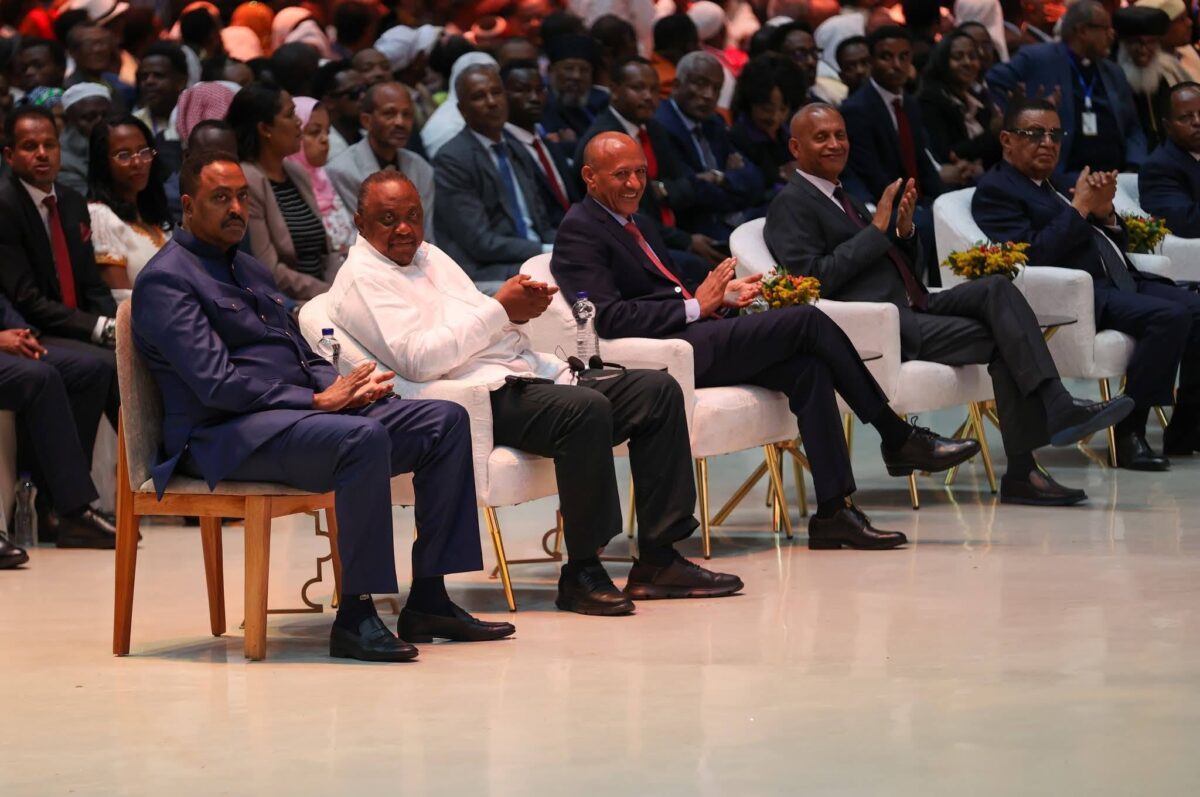
The former Kenyan president’s appearance also gave the closing ceremony a regional dimension. His invitation reflected his previous involvement in peace building and political dialogue in the region.
For Ethiopia, however, the harder work begins after the conference hall falls silent. The success of the dialogue will ultimately depend on whether its recommendations can help address the divisions that brought the participants to the table in the first place.
About the Author