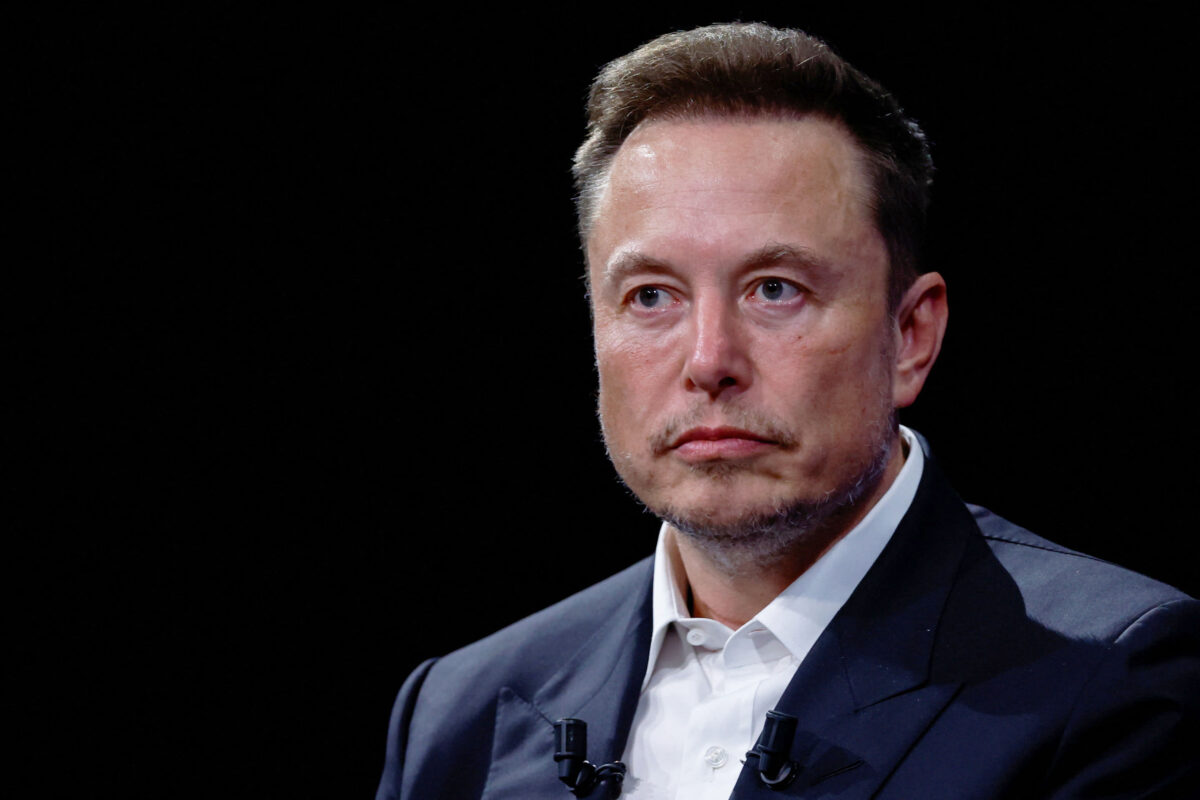
Elon Musk, the billionaire entrepreneur whose influence stretches from Silicon Valley to space, has turned his attention to Europe in a way that is raising alarm among critics and curiosity among supporters.
His latest intervention came through an unlikely vehicle: a low-budget film.
Citizen Vigilante, directed by the German filmmaker Uwe Boll and starring Armie Hammer, tells the story of an American vigilante rampaging through an unnamed European country. The plot is brutal. Police officers, judges and migrants are among its victims. The film’s message is stark, framing violence as a response to what it depicts as a failing, “woke” establishment.
The film might have passed largely unnoticed. German regulators initially refused to rate it. Critics dismissed it as crude and sensational. But then Mr Musk stepped in.
In late June, he made the film freely available for 48 hours on X, the social media platform he owns. The move propelled it into the spotlight, pushing it onto streaming charts on platforms such as Apple and Amazon. At one point, Mr Musk shared a post suggesting that vigilante violence was a “moderate response” to crimes committed by immigrants.
The episode is part of a broader pattern. In recent months, Mr Musk has increasingly engaged with political debates across Europe, often amplifying voices on the right.
“This is a crusade,” said Georgios Samaras, an assistant professor of public policy at King’s College London who studies far-right movements. “Musk uses the power he has to amplify the ideas he believes should shape society.”
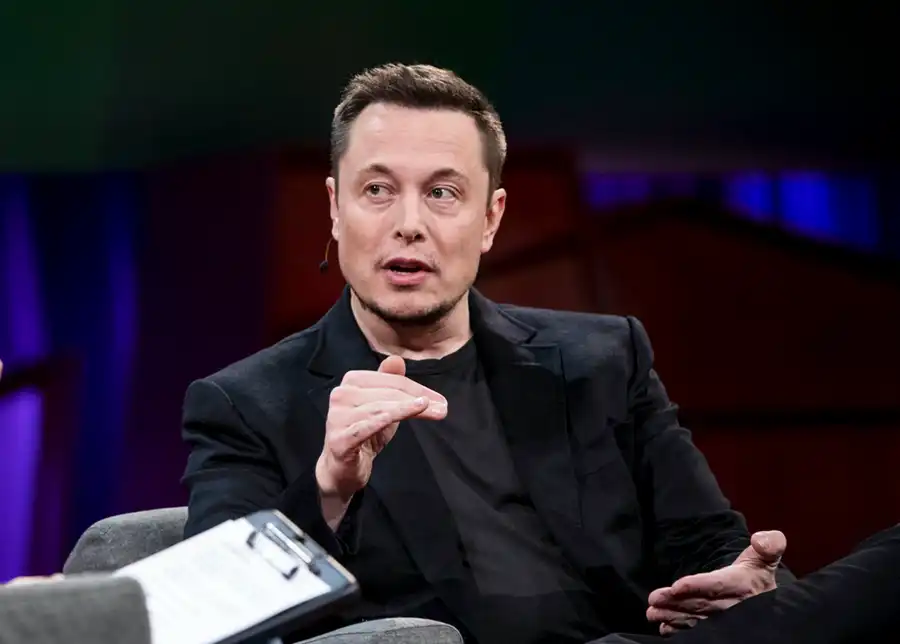
Much of that influence flows through X, the platform Mr Musk acquired in 2022. Since then, he has loosened content moderation rules, arguing that previous policies restricted free speech. Critics say the changes have opened the door to conspiracy theories and extremist views.
In that environment, Mr Musk’s own online presence has evolved. His posts increasingly focus on immigration, race and what he describes as threats to Western societies. He has shared messages warning that white populations are in decline and has endorsed figures such as Marine Le Pen of France’s National Rally, calling her “France’s last hope”.
He has also amplified voices like Tommy Robinson, a far-right activist in the United Kingdom, and expressed support for political movements in Germany, the Netherlands and Austria.
At times, his interventions have coincided with real-world tensions. Following a stabbing incident in Northern Ireland in June, Mr Musk shared calls for protest circulated by activists online, writing that change would come only through sustained demonstrations. Riots later broke out in Belfast, with police pointing to social media as a key factor in mobilising crowds.
A report by the Center for Countering Digital Hate identified thousands of violent comments posted in response to messages by Mr Musk and his allies. Mr Musk has previously challenged the group’s findings and methods.
“Many people on the right see Musk as useful,” said A.J.A. Woods, a historian who studies conspiracy theories. “He has money, and he controls a major platform. That makes him a convenient ally.”
Mr Musk did not respond to requests for comment for this article.
His engagement has also brought attention to the concept of “remigration”, a term used by some anti-immigration groups to describe large-scale deportations. While interpretations vary, critics say the idea has been linked to extremist rhetoric.
Ben Tarnoff, a co-author of Muskism: A Guide for the Perplexed, said the term’s spread reflects a broader exchange of ideas between American and European right-wing movements. “There is a shared view,” he said, “that Europe has lost its way and needs to be restored.”
Mr Musk has echoed that sentiment in public remarks. In an interview with The Economist, he defended his promotion of Citizen Vigilante. “It’s a movie and it’s worth watching,” he said.
He rejected the notion that Europe is beyond repair but argued that rising crime and social tensions are real concerns. “There was out-of-control rape and murder,” he said, without citing specific data.
His critics say such statements oversimplify complex issues and risk inflaming divisions. Others argue his political impact remains limited.
“I don’t think he has much sway in Britain or on the continent,” said Gawain Towler, a former communications director for Reform UK. Still, he credited Mr Musk with drawing attention to issues such as crime and immigration.
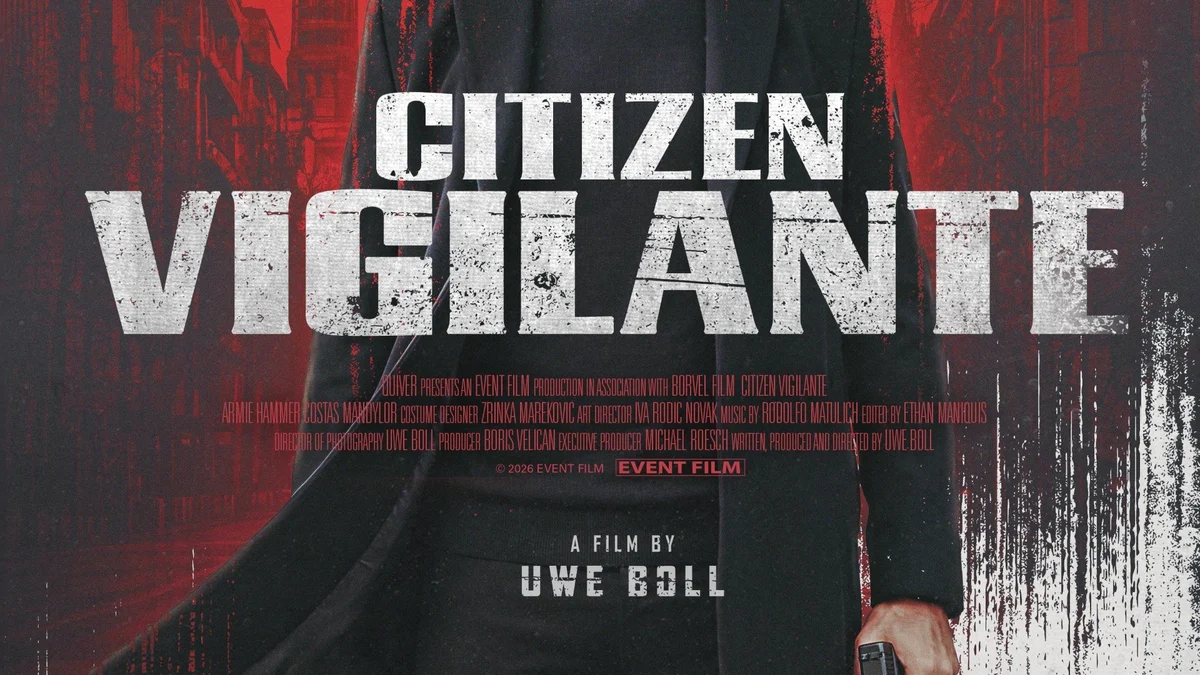
Meanwhile, Citizen Vigilante itself has drawn sharp reviews. Industry publication Variety described it as “astonishingly bad,” while the conservative commentator Rod Dreher called it “fascist propaganda”. Yet the controversy has given the film a second life. Director Uwe Boll has said it earned roughly $600,000 in streaming revenue against a $2m budget.
For Mr Musk, the episode underscores both the reach and the risks of his platform. His supporters see a champion of free expression. His critics see a powerful figure amplifying dangerous ideas.
As Europe grapples with questions of identity, migration and political change, Mr Musk’s voice, once confined largely to technology and business is now part of the conversation.
Whether that influence will shape events on the ground remains uncertain. But for now, it is unmistakably present.
About the Author