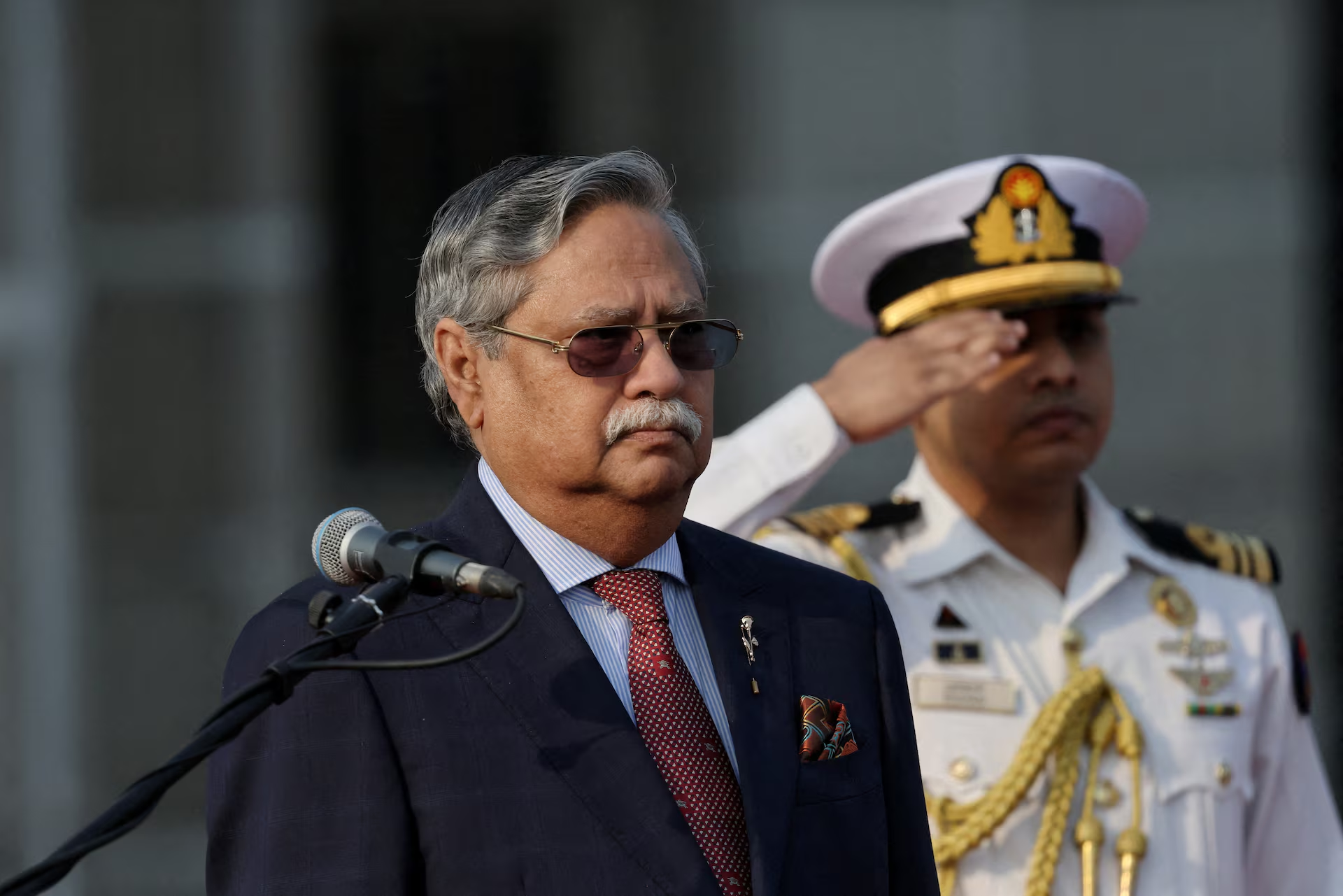
Bangladesh‘s President Mohammed Shahabuddin has resigned from office. His departure was announced on Friday. Serious health problems were cited as the reason. Shahabuddin, 76, had served as president since April 2023. His resignation comes at a tense political moment.
It also removes a former ally of ousted Prime Minister Sheikh Hasina from one of the country’s highest offices.
Health Problems Cited
Shahabuddin said a recent medical check had identified autonomic neuropathy. The condition can cause brief episodes of unconsciousness.
“Due to this condition, I occasionally experience momentary loss of consciousness,” he said in a statement released by his press secretary.
His resignation was submitted after weeks of political uncertainty. Reuters had reported on Thursday that he was expected to step down on Friday.
Speaker to Assume Duties
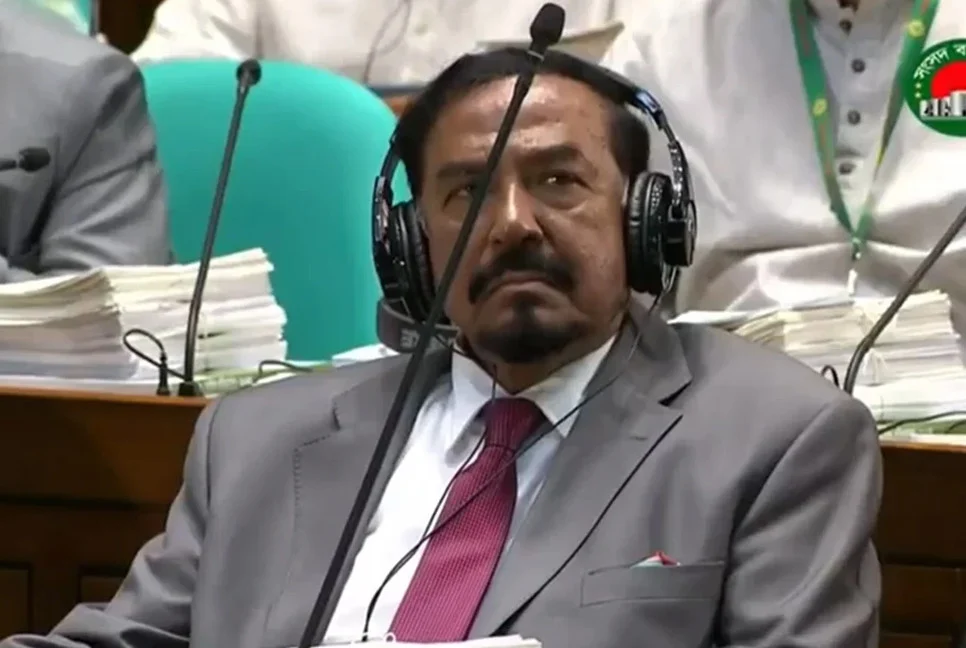
The resignation leaves the country’s presidency vacant. The speaker of the Jatiya Sangsad, Bangladesh’s national parliament, will perform presidential duties until a successor is elected.
The president serves as commander-in-chief of the armed forces. Executive power, however, rests with the prime minister and the cabinet. The move is therefore expected to leave day-to-day government operations with the executive.
Political Fallout
Shahabuddin’s exit comes as Bangladesh remains politically tense. He was a former ally of Sheikh Hasina. Her government was toppled after a student-led uprising in 2024. Hasina later left for India. Her Awami League party has since been banned.
Many of its leaders and activists have been jailed or have gone into hiding. Shahabuddin’s departure means Hasina has lost an ally in high office. The resignation also comes months before Hasina’s expected return.
That prospect has added to the political uncertainty surrounding the country.
A New Chapter
Shahabuddin’s presidency was largely ceremonial. Yet it was marked by major political upheaval. His tenure began in 2023. It later spanned the unrest that ended Hasina’s rule. Now, a new president will have to be chosen.
Until then, the parliamentary speaker will assume the duties of the head of state.
The transition is taking place against a backdrop of continued political tensions and a changing power structure in Bangladesh.
About the Author