The 2026 FIFA World Cup arrived carrying more questions than confidence. Critics warned that expanding the tournament to 48 teams would weaken the competition. Others feared soaring ticket prices, geopolitical tensions and extreme summer heat across the United States, Mexico and Canada would overshadow football’s biggest stage.
Instead, with only Sunday’s final between defending champions Argentina and Spain left to play, FIFA finds itself celebrating what has become one of the tournament’s most successful editions.
From unexpected underdog stories to record-breaking attendances, the month-long competition has largely been defined by football rather than the concerns that dominated the build-up.
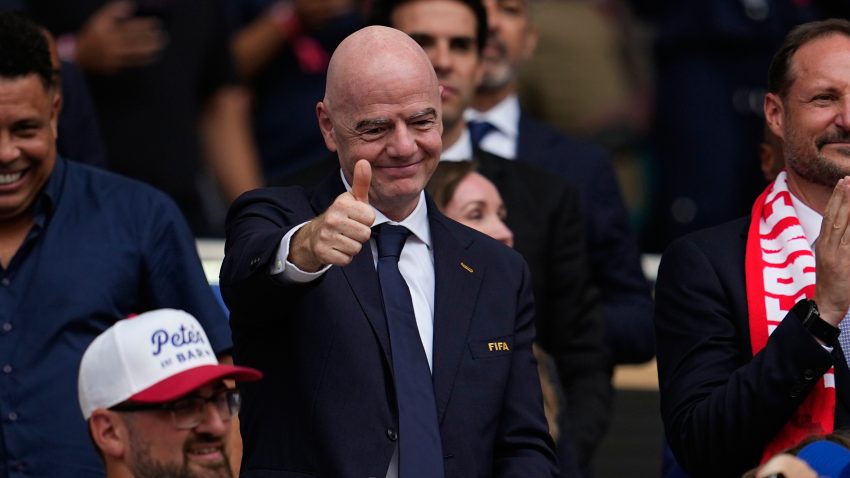
FIFA President Gianni Infantino’s decision to expand the World Cup has been widely debated since it was approved. Yet the quality of football on display has gone a long way towards easing fears that adding more nations would dilute the spectacle.
Several of the tournament’s newcomers proved they belonged on the world stage.
Cape Verde stunned many by holding eventual finalists Spain to a goalless draw in the group stage before pushing Lionel Messi’s Argentina to extra time in a dramatic last-32 encounter that ended 3-2. Curaçao, one of the smallest nations at the tournament, earned a creditable draw against Ecuador, while Egypt reached the knockout rounds for the first time before narrowly missing a famous victory over Argentina after surrendering a two-goal lead late in the match.
Africa also enjoyed one of its strongest World Cup campaigns, with a record nine nations advancing beyond the group stage, underlining the continent’s growing influence in international football.
The tournament’s biggest stars also lived up to expectations.
Messi, appearing at a record sixth World Cup, opened Argentina’s campaign with a hat-trick and heads into the final on eight goals. France captain Kylian Mbappé leads the Golden Boot race with 10 goals and has now become the highest scorer in World Cup history with 22 goals across his appearances.
Norway striker Erling Haaland captured the imagination of supporters after scoring seven goals, including a memorable brace against Brazil in the last 16. England’s Jude Bellingham also scored seven times, while captain Harry Kane added six goals as England secured third place.
The numbers reflect the tournament’s attacking football. A total of 307 goals have been scored across 103 matches, averaging nearly three goals per game — the highest scoring World Cup since Sweden hosted the competition in 1958.
The atmosphere inside stadiums matched the entertainment on the pitch.
Despite criticism of FIFA’s dynamic pricing model, supporters continued to fill venues throughout the tournament. According to FIFA, more than 6.6 million fans attended matches before the final weekend, with average attendances exceeding 65,000 and stadium occupancy reaching almost full capacity.
The celebrations extended well beyond the stadium gates.
Scottish supporters packed bars in Boston, Norwegian fans staged their trademark Viking clap in New York’s Times Square, while visitors embraced everything from American barbecue to supermarket shopping, sharing their experiences widely on social media.
Yet the tournament was not without controversy.
Somali referee Omar Artan was denied entry into the United States after American authorities cited security vetting concerns. Iran’s national team also criticised visa restrictions that required players and officials to leave the United States shortly after completing matches.
“I think we are the most oppressed team in the World Cup,” Iran coach Amir Ghalenoei said after his side’s opening fixture.
Another major controversy emerged when reports claimed US President Donald Trump personally intervened with FIFA President Gianni Infantino over the timing of a suspension involving United States striker Folarin Balogun ahead of the hosts’ knockout match against Belgium.
The episode sparked criticism from sections of the football community, although Belgium’s convincing 4-1 victory ultimately ended the hosts’ campaign.
While the incidents created unwanted headlines, they did little to overshadow the football itself.
For Infantino, the tournament now strengthens his position ahead of FIFA’s presidential election in 2027. Backed by several continental confederations, he is expected to point to the success of the expanded format as discussions continue over the possibility of increasing the 2030 World Cup to 64 teams.
As the curtain falls on football’s biggest tournament, the lasting memories are likely to centre less on politics and more on dramatic upsets, emerging nations and packed stadiums that embraced the game’s global appeal.
About the Author