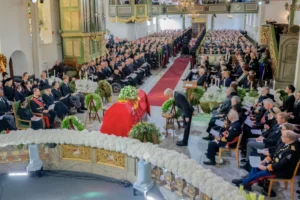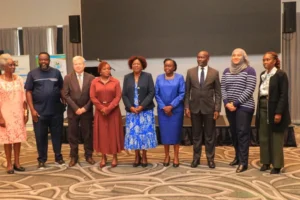
World leaders, conservation groups and development partners have pledged more than $6.4 billion (Sh828.9 billion) towards protecting the world’s oceans, placing marine conservation high on the global agenda during the 11th Our Ocean Conference in Mombasa.
The summit concluded with more than 320 new commitments aimed at tackling illegal fishing, cutting marine pollution, protecting biodiversity and helping coastal communities adapt to climate change.
The conference brought together heads of state, government officials, scientists, environmental organisations and private sector representatives. While the financial pledges were among the largest made at the annual gathering, many delegates agreed that delivering on those promises will be the real test.
A key outcome of the meeting was the adoption of the Mombasa Declaration, a framework intended to strengthen international cooperation against illegal, unreported and unregulated (IUU) fishing, a practice that continues to deplete fish stocks and threaten the livelihoods of millions who depend on the sea.
The declaration also seeks closer collaboration between governments as pressure on marine ecosystems grows from climate change, pollution and overfishing.
For many conservationists, however, ambitious agreements are only the beginning.
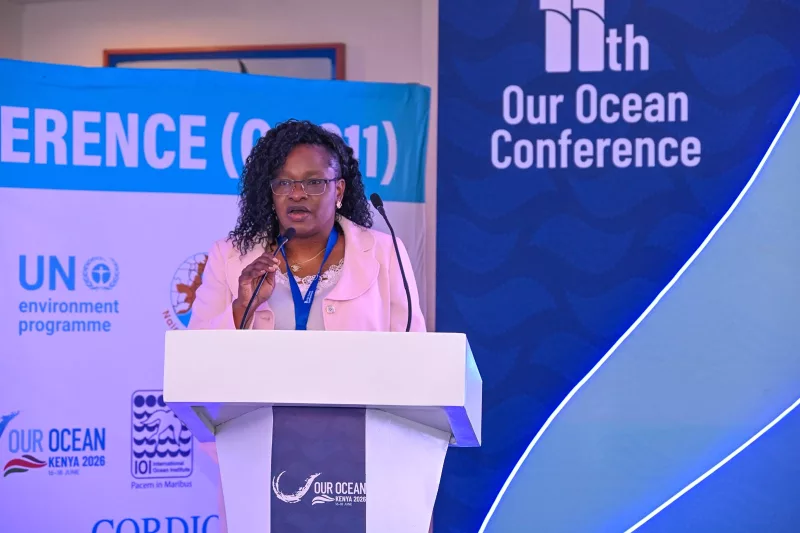
Nancy Ogonje, Executive Director of the East African Wildlife Society (EAWLS), welcomed the declaration but cautioned that international commitments often struggle to produce meaningful change in coastal communities.
“International environmental summits excel at drafting macro-level solutions, such as the newly adopted Mombasa Declaration aimed at curbing illegal, unreported, and unregulated fishing,” Ogonje said.
She argued that a gap frequently exists between decisions made in conference halls and the everyday realities of communities that depend on the ocean for their survival.
According to Ogonje, governments should place local communities and civil society organisations at the centre of marine governance instead of treating them as passive beneficiaries of conservation programmes.
“For the Mombasa summit to be remembered as a genuine milestone rather than an exercise in performative diplomacy, the implementation phase must prioritise localised institutional support,” she said.
She added that conservation efforts are more likely to succeed when communities have a direct role in managing marine resources.
Environmental organisations also say community groups play an essential role in monitoring conservation projects, tracking how funding is spent and holding institutions accountable. Coastal residents, they argue, bring generations of ecological knowledge that can strengthen modern conservation programmes.
Ogonje further called for greater participation by women, young people and vulnerable groups in decisions affecting the oceans.
“We must be intentional about building platforms that elevate marginalised voices, especially those of women, youth and the vulnerable, to harness their invaluable knowledge and lived experiences,” she said.
She also urged governments to improve legal awareness among coastal communities so residents can better understand environmental laws and protect marine resources.
While the record financial commitments have been widely welcomed, conservation experts say success will ultimately depend not on the size of the pledges, but on whether governments deliver practical results for oceans and the people whose lives depend on them.
About the Author