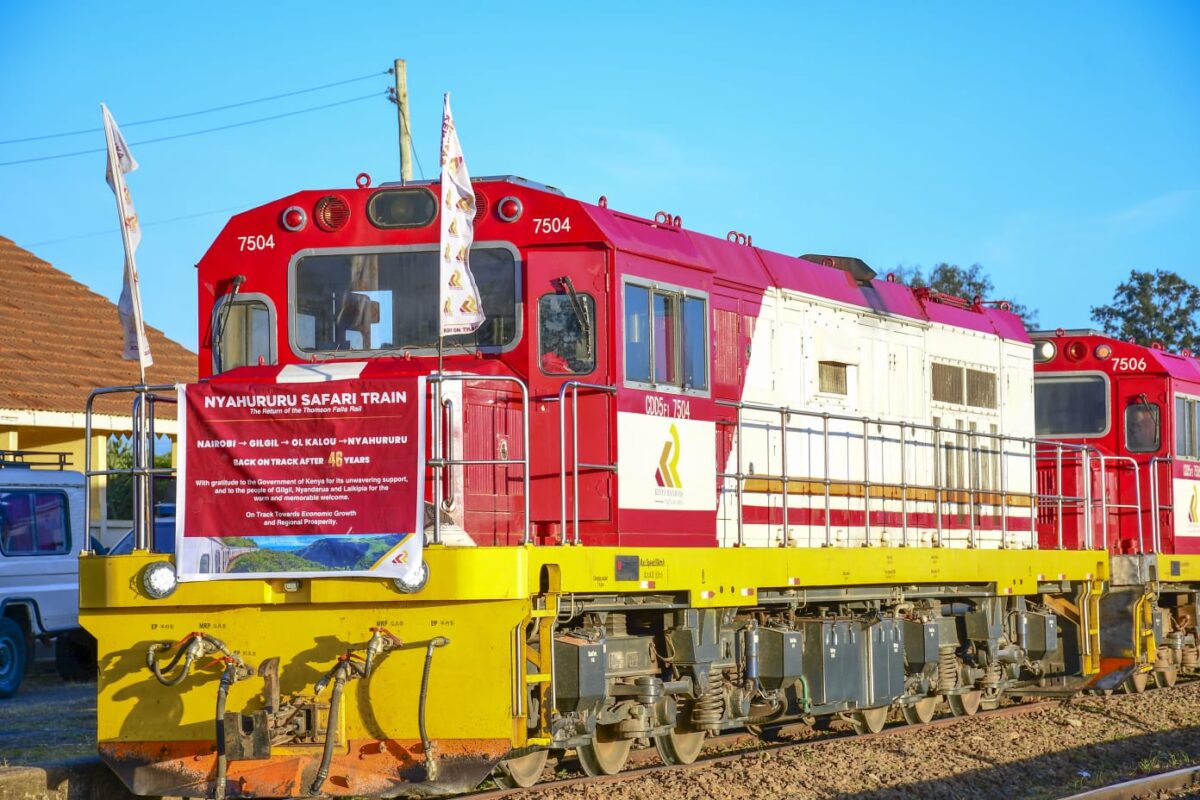
Residents lined the tracks in Ol Kalou, some climbing rooftops and others waving as the whistle sounded in the distance. For many, it was a moment decades in the making. The Nyahururu Safari Train had returned.
Its arrival marked the restoration of passenger rail services after a 46-year absence, reopening a line that once linked communities across central Kenya but had long fallen silent.
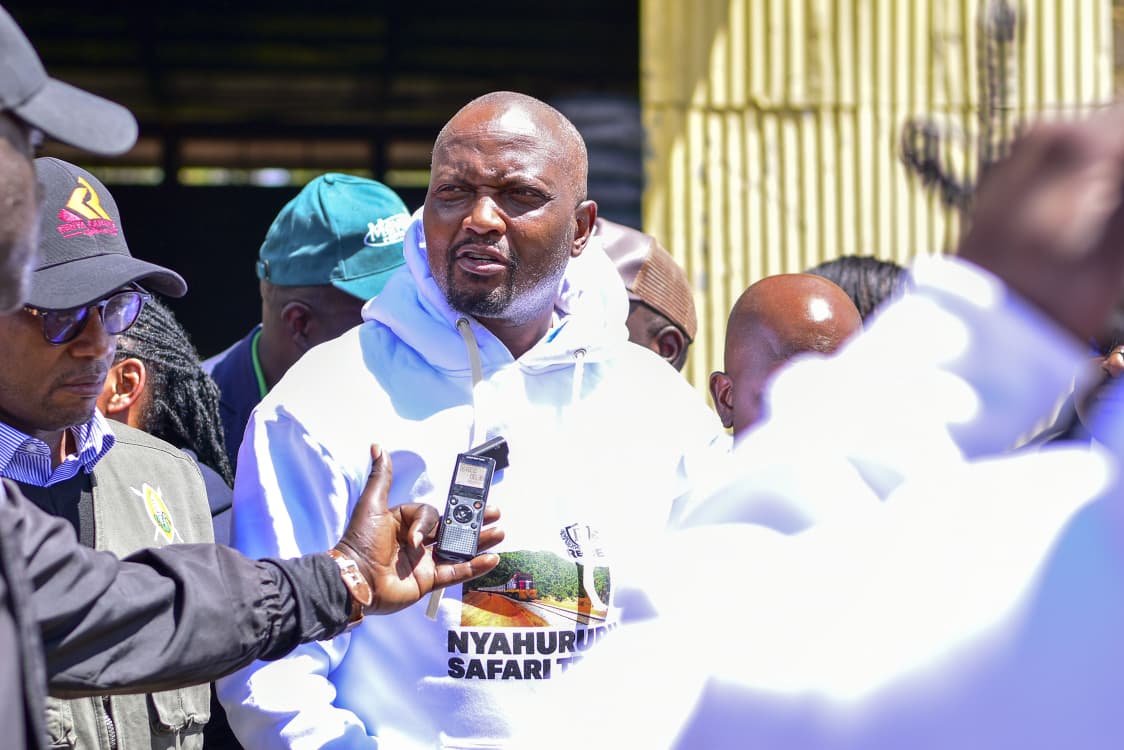
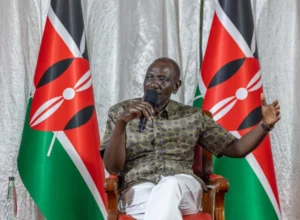
“This is not just a train,” said Moses Kuria, speaking at the launch. “It is a lifeline for our people, for farmers, traders and families who have waited far too long for reliable transport.”
The ceremony doubled as the launch of freight services. A train loaded with fertiliser was flagged off, a signal of the government’s intent to shift cargo from road to rail. Officials say the move will help lower transport costs and ease pressure on farmers already grappling with high input prices.
Philip Mainga, managing director of Kenya Railways, said the line would run two passenger return trips each week, alongside dedicated freight services. “We are reopening access,” he said. “This corridor has been cut off for years. That changes today.”
The route stretching from Nairobi through Gilgil and Ol Kalou to Nyahururu is expected to serve both local commuters and visitors heading to the region’s scenic highlands. For traders, it offers a cheaper way to move goods. For residents, a safer alternative to long road journeys.
Still, not everyone is convinced the revival alone will transform local economies. Transport analysts note that success will depend on consistency, pricing and how well the service integrates with other modes of transport.
“There is real potential here,” said a Nairobi-based logistics expert who asked not to be named as they are not authorised to speak publicly. “But rail projects in Kenya have often struggled with maintenance and demand. The key will be reliability.”
Government officials framed the reopening as part of a broader economic strategy. The project aligns with President William Ruto’s Bottom-Up Economic Transformation Agenda, which places infrastructure at the centre of job creation and regional development.
Kuria pointed to the wider impact. “When you reduce the cost of moving goods, you increase incomes. When you connect towns, you create opportunity,” he said.

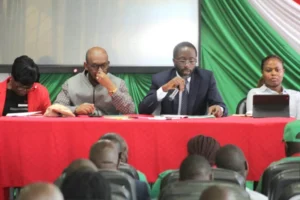
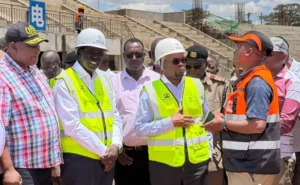
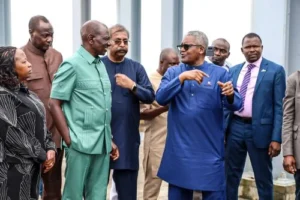
Among those present were senior government officials, local leaders and members of the Nyandarua County Assembly. Their presence underscored the political weight behind the project, particularly as the region prepares for a constituency by-election.
For residents, though, the day felt less about policy and more about memory and possibility. Older onlookers recalled the last time a passenger train passed through. Younger ones took out their phones, capturing a sight they had never seen before.
About the Author